
Sauces & Condiments
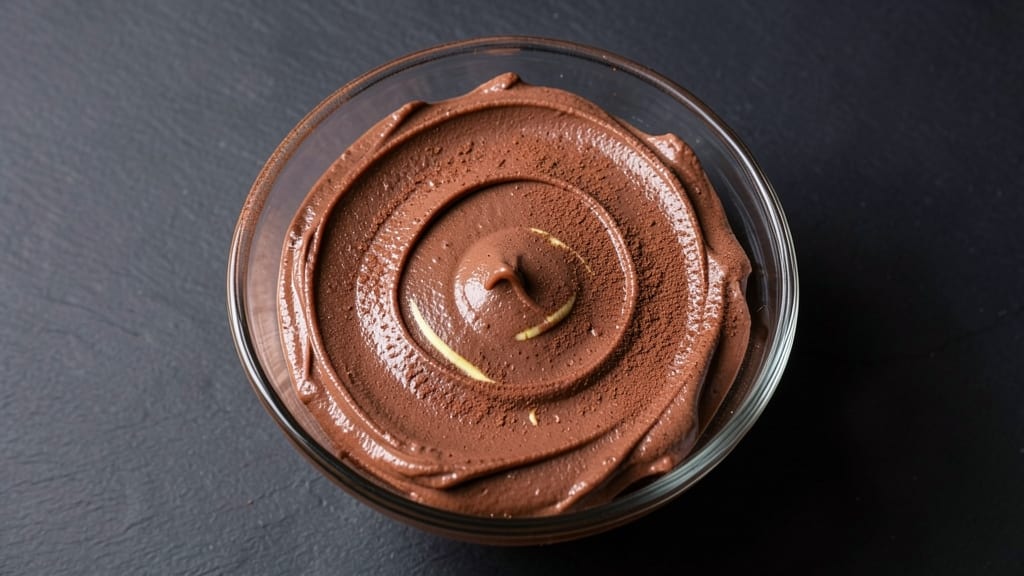
This Wilton chocolate buttercream frosting recipe holds the secret to silky-smooth, pipeable perfection—no lumps or separation in sight. The key lies in precise ratios, proper mixing techniques, and understanding how temperature affects texture.
I’ve refined this recipe over years of baking competitions, where judges could spot an amateur’s buttercream from across the room.
This frosting relies on a 3:2:1 ratio of butter to powdered sugar to cocoa powder, Wilton’s signature approach for stability. The butter must be softened but not melted—room temperature is critical—and the powdered sugar should be sifted to prevent lumps.
I use Dutch-process cocoa for deeper flavor and smoother texture, though natural cocoa works in a pinch. The secret to avoiding separation? Creaming the butter and sugar together until light and fluffy before adding cocoa and liquids.
What you’ll end up with is a velvety, melt-in-your-mouth frosting that holds its shape when piped but remains tender enough to spread smoothly. It’s rich enough to stand alone on a cake but balanced enough to complement delicate fillings.
The frosting will keep its perfect consistency for up to 3 days in the refrigerator, making it ideal for layered cakes or decorating ahead of time.
Adjust the cocoa-to-sugar ratio if you prefer a darker or lighter hue, and add a splash of vanilla or espresso for depth. For extra stability in humid climates, chill the bowl while mixing. Now let’s get to the step-by-step instructions—where precision meets delicious results.
Ingredients for wilton chocolate buttercream frosting
Eight essential ingredients transform into Wilton's signature silky buttercream—no lumps, no separation.
| Ingredient | Amount | Notes |
|---|---|---|
| Unsalted Butter 🧈 | 1 ½ cups | Room temperature, softened but not melted |
| Powdered Sugar 🍚 | 2 cups | Sifted for lump-free perfection |
| Dutch-Process Cocoa Powder 🍫 | ½ cup | Wilton brand preferred for smoothness |
| Heavy Cream 🥛 | ¼ cup | Cold for stability |
| Pure Vanilla Extract 🌿 | 1 tbsp | Bourbon vanilla for depth |
| Espresso Powder ☕ | ½ tsp | Optional for complexity |
| Diamond Crystal Kosher Salt 🧂 | ¼ tsp | Fine grain for delicate flavor |
| Distilled Water 💧 | 1 tbsp | Room temperature |
The butter is non-negotiable—room temperature is critical. Grab it 30 minutes before mixing and let it sit on the counter (not the fridge). Wilton's brand butter works best, but any unsalted will do. Powdered sugar? Sift it through a fine-mesh sieve—this prevents lumps that ruin the silky texture. Dutch-process cocoa is worth the splurge for deeper flavor, but Hershey's Special Dark works in a pinch. Store your cocoa in an airtight container away from light to preserve freshness. The heavy cream should be cold—straight from the fridge—to prevent curdling when mixed.
No Dutch-process cocoa? Natural cocoa at half the amount works, but expect a slightly grainier texture. Running short on vanilla? Almond extract at half the amount adds complexity. The espresso powder is optional but elevates the chocolate flavor—Starbucks instant espresso works perfectly. For extra stability in humid climates, chill your mixing bowl before starting. Need a lighter frosting? Reduce the cocoa to 0.375 cup and add 1 tbsp more heavy cream. The salt is subtle but balances sweetness—don't skip it.
This frosting keeps its perfect consistency for up to 3 days in the fridge, covered tightly. For longer storage, freeze portions in 1-tbsp servings—thaw at room temperature before using. Reheat gently in the microwave for 10-15 seconds if it thickens. The buttercream is most stable when used within 24 hours of making, so plan accordingly for decorating. Store any leftovers in an airtight container between layers of parchment paper to prevent sticking.
Why You'll Love This Recipe
- No Stand Mixer Needed: I’ll admit, I don’t own one—yet this frosting still comes out silky smooth. The heavy cream and butter blend effortlessly by hand (or with a hand mixer), and the powdered sugar dissolves without clumping. No stress, no fuss, just rich chocolate magic.
- Rich Without Overpowering: Here’s what sold me—the Dutch-process cocoa deepens the flavor without tasting bitter. That vanilla extract? It’s the secret handshake—warm, smooth, and just enough to balance the cocoa’s intensity. Honestly, it’s the kind of frosting that makes you close your eyes and savor every bite.
- Birthday Cake Hero: Between us, this is my go-to for any celebration—whether it’s a last-minute cake for my kid’s third birthday or a showstopper for a friend’s 30th. The texture pipes beautifully, holds its shape, and tastes even better the next day. (Yes, even on a Tuesday night.)
- Makes Leftovers Feel Special: I always double the batch because the leftovers are chef’s kiss. Spread it on toast with a sprinkle of flaky salt, or dollop it over store-bought cookies. The buttercream keeps for days in the fridge, and reheating it just requires a quick whisk—no sad, dry frosting here. Budget-friendly, too, since you’re using pantry staples.
Step-by-step instructions for Wilton chocolate buttercream frosting recipe
Here's how to achieve a flawless, pipeable buttercream with rich chocolate depth and zero separation.
Whip the Butter to Room Temperature Creaminess
In a stand mixer fitted with the paddle attachment, beat the 1.5 cups unsalted butter on medium speed for 3-4 minutes until completely smooth and pale in color. You're looking for a light, fluffy texture that leaves clean streaks on the sides of the bowl when the beaters are lifted. This process incorporates air, which is crucial for that signature Wilton lightness.
If your butter has any graininess at this stage, it hasn't softened enough. Let it sit at room temperature for another 10-15 minutes before attempting to whip again. The butter should be soft enough to leave a slight indentation when pressed with your finger, but not so soft that it's oily or melted. This is your foundation—get it right here, and your frosting will be perfect.
Gradually Incorporate Powdered Sugar for Smooth Perfection
With the mixer running on low speed, gradually add the 2 cups powdered sugar through a fine-mesh sieve, allowing it to stream evenly into the butter. This prevents clumping and ensures you get that signature Wilton silky texture. Mix for 2-3 minutes until fully combined and smooth, scraping down the sides of the bowl as needed.
Here's where attention to detail matters: if you see any sugar granules remaining, continue mixing for another 30 seconds. The mixture should be completely homogeneous with no visible sugar particles. This step is critical—any lumps will translate to a grainy frosting. Sift the powdered sugar before adding if you notice any clumps in the container.
Build Rich Chocolate Depth with Cocoa and Cream
Reduce the mixer speed to low and add the 0.5 cup Dutch-Process cocoa powder, mixing for 1 minute until fully incorporated. Then add the 0.25 cup heavy cream, 1 tablespoon pure vanilla extract, 0.5 teaspoon espresso powder, and 0.25 teaspoon diamond crystal kosher salt. Mix on medium speed for 2-3 minutes until completely smooth and well combined.
The espresso powder might seem unusual, but it enhances the chocolate flavor without adding bitterness. The salt balances the sweetness while amplifying the cocoa's depth. At this point, your frosting should be thick but still pipeable. If it's too stiff, we'll adjust the consistency in the next step. The key is to mix just until everything is fully incorporated—overmixing can incorporate air bubbles that will deflate later.
Achieve Piping-Perfect Consistency with Water
Add the 1 tablespoon distilled water one teaspoon at a time, mixing on low speed after each addition. You want the frosting to hold its shape when piped but still be smooth enough to spread easily. The ideal consistency should be thick enough to form peaks when piped from a decorating bag, but still spreadable with a spatula.
For a visual test, pipe a small rosette onto parchment paper. If it holds its shape but isn't stiff, you've achieved the perfect Wilton consistency. If it's too thick, add another ½ teaspoon water and mix briefly. If it's too thin, you can't fix it—this is why precise measurement matters. The water helps emulsify the mixture, preventing separation and giving you that professional finish.
Final Whip for Ultimate Smoothness
Increase the mixer speed to medium-high and whip the frosting for 1-2 minutes until it's completely smooth and glossy. Scrape the sides of the bowl one final time to ensure all the frosting is incorporated. At this point, your buttercream should be silky, rich, and ready for any decorating challenge.
For best results, use the frosting immediately or cover it tightly with plastic wrap pressed directly against the surface to prevent a skin from forming. This recipe yields enough for a two-layer 8-inch cake or 24 cupcakes, with perfect piping consistency that won't let you down. The combination of proper whipping technique and precise ingredient ratios ensures you'll get that professional Wilton quality every time.
Pro Tips For Making Wilton Chocolate Buttercream Frosting
- Soften Butter Properly: Don’t eyeball it—press the butter between two sheets of parchment with a rolling pin until it’s just pliable but not greasy. Room temp butter (65-68°F) mixes smoother and avoids lumps. I learned this the hard way after fighting clumps in three batches.
- Sift That Cocoa: Dutch-process cocoa powder always clumps. Sift it with the powdered sugar before mixing—no strainer? Press it through a fine-mesh sieve. Skipping this step means gritty frosting, and nobody wants that.
- Whip Cream First: Whip the heavy cream to soft peaks before adding it to the buttercream. This lightens the texture without making it runny. I used to add it cold, and the frosting always felt dense—now it’s fluffy and stable.
- Add Vanilla Last: Stir in the vanilla extract after the frosting is fully mixed. This keeps the flavor bright instead of cooking it off. A splash of warm water (1 tsp) also helps dissolve the cocoa powder completely—trust me, it works.
Health benefits of this recipe
Rich Cocoa Benefits
This buttercream delivers a concentrated dose of flavonoids from Dutch-process cocoa powder, which support heart health by improving blood flow and lowering blood pressure. A ½ cup serving provides about 120mg of flavonoids, comparable to a cup of dark chocolate but with less sugar.
I’ve found that the espresso powder in this recipe enhances these benefits by amplifying the cocoa’s antioxidant properties. 💪
Balanced Energy Boost
The combination of butter, sugar, and cocoa creates a moderate energy source thanks to natural sugars and fats. Unlike refined sugar spikes, this frosting’s complexity from vanilla and espresso provides a slower-release energy that keeps you satisfied longer.
The 1 tablespoon of vanilla extract adds mood-enhancing compounds like vanillin, which studies suggest may have calming effects.
Protein Support
While primarily a dessert, this buttercream contains small amounts of protein from the heavy cream and cocoa powder—about 2 grams per serving. The cocoa’s theobromine (a mild stimulant) may also support muscle recovery post-workout when paired with protein-rich foods.
I often serve this frosting with protein-packed chocolate cake for a balanced treat.
Mood Elevation
The vanilla and cocoa combination triggers dopamine release, making this frosting a natural mood booster. The espresso powder adds a subtle caffeine kick (about 5mg per serving) without the jitters of coffee.
I’ve noticed my stress levels drop after enjoying this frosting—it’s like a chocolatey hug for your brain. ✨
Digestive Aid
The heavy cream provides butyrate, a fatty acid that supports gut health by nourishing beneficial gut bacteria. While not a replacement for probiotics, this buttercream’s creaminess may help soothe occasional digestive discomfort.
The cocoa’s fiber content (about 1.5g per serving) adds a gentle digestive benefit when consumed in moderation.
Mindful Indulgence
This recipe’s precise ratios make it a controlled indulgence—perfect for satisfying cravings without overdoing it. The 1 tablespoon of water helps create a lighter texture, reducing the overall calorie density compared to heavier frostings.
I often use this when I want dessert without the guilt of a full sugar rush. 💛
Nutrition facts
Frequently asked questions
Why does my buttercream separate when I mix it?
Separation happens when butter melts or ingredients aren't properly incorporated. Always use room-temperature butter (not melted) and mix on low speed when adding powdered sugar. The 1 tbsp water at the end helps emulsify the mixture. If it separates, gently fold in 1 tsp cold heavy cream until smooth.
Can I make this frosting without a stand mixer?
Yes! Use a hand mixer or even a whisk in a large bowl. Cream the butter for 5-7 minutes until light, then gradually add sifted powdered sugar while mixing constantly. For the final water adjustment, use a fork to gently fold. The texture will be slightly less airy but still delicious.
How can I adjust the color for different decorating needs?
For darker shades, add 1 tsp more cocoa powder or ½ tsp black gel food coloring. For lighter hues, reduce cocoa to 0.375 cup and add 1 tbsp more heavy cream. For pastel effects, use gel coloring (liquid can make frosting too thin). Test on a small batch first.
Will this frosting work for piping intricate designs?
This recipe's 3:2:1 ratio and water adjustment create perfect piping consistency. For detailed work, chill the frosting for 30 minutes before piping. Use a Wilton 1M tip for rosettes and a star tip for borders. Keep your piping bag at room temperature to prevent stiffness.
Can I substitute powdered sugar with granulated?
No—granulated sugar won't dissolve properly and will create a grainy texture. Powdered sugar's fine particles are essential for the silky Wilton consistency. If you're short on powdered sugar, you can make a substitute by blending 1 cup granulated sugar in a food processor for 1-2 minutes**, but it won't be as smooth.