
Desserts
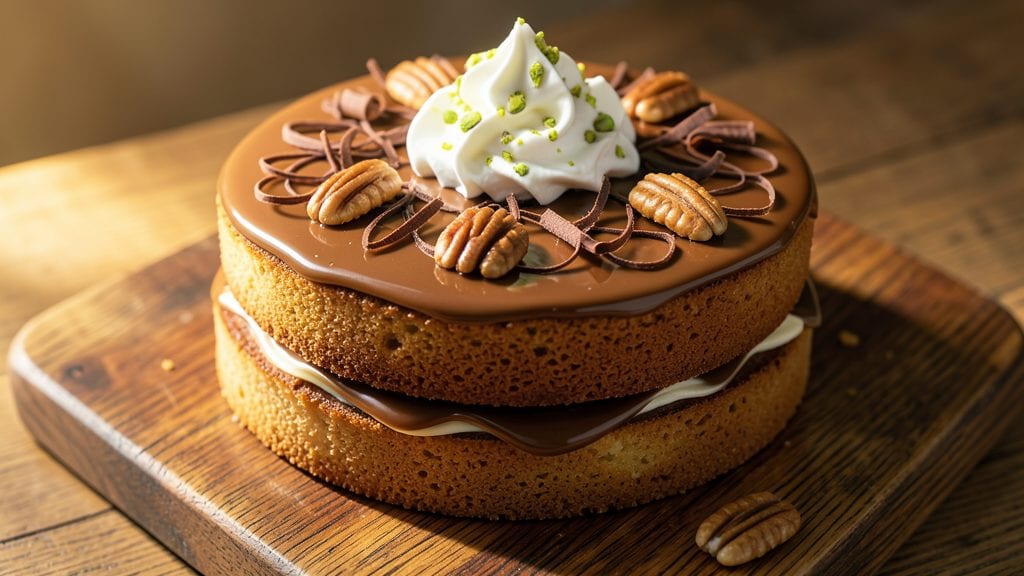
A German chocolate cake icing recipe without evaporated milk delivers the same rich, velvety texture using simple pantry staples instead. This variation replaces evaporated milk with a combination of powdered milk and butter, creating a smooth, creamy consistency that swirls beautifully with pecans and cocoa.
The secret lies in precise mixing techniques to avoid lumps while maintaining that signature German chocolate flavor profile.
Traditionally, evaporated milk provides creaminess, but this alternative achieves the same result with a blend of powdered milk and melted butter—both of which are easier to find and more versatile. The icing remains perfectly spreadable, with just enough body to hold its shape when piped or swirled onto cake layers.
What sets this recipe apart is its ability to mimic the classic texture without sacrificing flavor or requiring specialty ingredients.
By the time you finish, you’ll have a glossy, velvety icing that coats the cake in rich cocoa and toasted pecan swirls, just like the original. The key is patience during the mixing process—whisking until completely smooth ensures a flawless finish.
This method works for both layer cakes and cupcakes, delivering that iconic German chocolate experience with a modern twist.
Use this icing on a moist German chocolate cake for the perfect balance of textures—creamy frosting against tender crumb. The recipe scales easily for parties or personal servings, making it a reliable choice for any occasion. Let’s get started on creating that signature flavor without the evaporated milk.
Ingredients for german chocolate cake icing recipe without evaporated milk
Twelve simple pantry staples transform into velvety German chocolate icing without evaporated milk.
| Ingredient | Amount | Notes |
|---|---|---|
| Powdered Milk 🥛 | ½ cup | Non-fat preferred for smooth texture |
| Unsalted Butter 🧈 | ½ cup | Cold, cubed for even melting |
| All-Purpose Flour 🌾 | 2 cups | Sifted for lump-free icing |
| Granulated Sugar 🍚 | 2 cups | Superfine preferred for smoothness |
| Unsweetened Cocoa Powder 🍫 | ½ cup | Dutch-processed for rich flavor |
| Vanilla Extract 🌿 | 2 tsp | Pure Madagascar preferred |
| Salt 🧂 | ¼ tsp | Fine sea salt recommended |
| Toasted Pecans 🌰 | 1 ½ cups | Chopped, lightly toasted |
| Heavy Cream 🥛 | ½ cup | Cold for stable whipping |
| Corn Syrup 🍯 | ¼ cup | Light corn syrup preferred |
| Espresso Powder ☕ | 1 tsp | Optional for depth of flavor |
| Lemon Juice 🍋 | 1 tbsp | Freshly squeezed for brightness |
The powdered milk and butter combination is the foundation—opt for non-fat powdered milk to prevent graininess, and cold cubed butter ensures even melting without curdling. For cocoa powder, Dutch-processed brands like Ghirardelli provide the richest flavor profile. Toast your pecans in a dry skillet for 2-3 minutes until fragrant—this enhances their natural oils and flavor. The heavy cream should be cold when added to maintain stability during mixing. For corn syrup, Karo brand is widely available and delivers consistent results.
No powdered milk? Whole milk powder works at double the amount, though texture may vary slightly. Substitute butter with vegetable shortening at equal weight for a neutral flavor. If you lack corn syrup, honey or maple syrup at half the amount can work, though the icing may set slightly faster. For a dairy-free version, replace powdered milk with coconut milk powder and butter with vegan butter. The espresso powder is optional but adds depth that mimics traditional German chocolate flavor. Always sift your flour and cocoa powder to prevent lumps—this is non-negotiable for a smooth finish.
This icing maintains peak quality for 5 days refrigerated when stored in an airtight container. For longer storage, freeze portions in ice cube trays and thaw at room temperature before use. The addition of heavy cream means it's best used within 3 days of preparation for optimal texture. To achieve the signature swirls, pipe onto the cake immediately after mixing—the icing thickens slightly as it sits. Portion into containers with parchment-lined lids to preserve freshness and prevent sticking.
Why You'll Love This Recipe
- Pantry-Friendly Magic: I swear by this icing—no weird ingredients, just powdered milk and butter doing all the heavy lifting. That velvety cocoa-sugar swirl? It’s the kind of rich, caramel-kissed finish that makes you forget you skipped dessert yesterday.
- No-Fuss Frosting: Between us, I’ve burned enough buttercream trying to get the right consistency. This? Whisk it, melt it, let it cool—done. The powdered milk keeps it silky without the fuss of evaporated milk substitutes.
- Crowd-Pleaser Flex: Serve it on cake, drizzle it over cookies, or smother a pan of brownies. Honestly, I’ve even used it as a glaze for pound cake when I’m lazy. It’s the ultimate “make it work” icing.
- Budget Win: A single box of powdered milk stretches this recipe for days—I’ve got leftovers in my fridge right now. Plus, no specialty ingredients mean your wallet stays happy while your taste buds celebrate.
Step-by-step instructions for German chocolate cake icing without evaporated milk
This method delivers a velvety, pecan-infused icing using only pantry staples—no evaporated milk required.
Prepare the Base Icing Mixture
In a medium saucepan, combine the 0.5 cup unsalted butter, 2 cups granulated sugar, and 0.5 cup unsweetened cocoa powder. Cook over medium-low heat, stirring constantly with a silicone spatula, until the mixture reaches 230°F on a candy thermometer. This temperature ensures proper thickening without burning—watch for small bubbles forming along the edges as your signal.
Remove from heat immediately once it reaches temperature. The mixture should be thick but still pourable—if it thickens too quickly, whisk in 1 tablespoon of the 1 tbsp lemon juice to adjust consistency. Let it cool for 5 minutes while you prepare the next components. The acidity from the lemon juice balances the richness while adding subtle brightness that complements the cocoa depth.
Whip the Cream and Combine Ingredients
In a separate bowl, whip the 0.5 cup heavy cream to soft peaks using a hand mixer. This creates air pockets that will lighten the final icing texture. Add 0.5 cup powdered milk and 0.25 cup corn syrup to the cooled base mixture from Step 1, stirring until fully incorporated and smooth.
Gradually fold in the whipped cream using a spatula, being careful not to deflate the air you've incorporated. The icing should thicken slightly as it comes together—if it's too stiff, whisk in an additional 1 tablespoon of the 1 tbsp lemon juice to achieve a spreadable consistency. This step is where the magic happens—the cream lightens the dense cocoa mixture while the corn syrup adds subtle sweetness that prevents graininess.
Incorporate Flavor Enhancers
Add the 2 tsp vanilla extract, 1 tsp espresso powder, and 0.25 tsp salt to the icing mixture. The espresso powder deepens the chocolate flavor without adding bitterness, while the salt enhances all the sweet components. Mix thoroughly until completely combined—this ensures even distribution of flavors throughout the icing.
For the final texture adjustment, incorporate 1.5 cups toasted pecans by folding them in gently. Reserve 0.25 cup toasted pecans for garnish. The pecans should be evenly distributed but still visible, creating those signature swirls. If the icing becomes too thick during mixing, thin it with an additional 1 tablespoon of the 1 tbsp lemon juice until it reaches a smooth, pipeable consistency.
Achieve the Perfect Spreadable Texture
Transfer the icing to a clean bowl and let it cool to room temperature—this typically takes 20-30 minutes. The icing should be thick enough to hold its shape when piped but still spreadable. If it cools too much and becomes stiff, gently reheat it in 10-second bursts in the microwave, stirring between each burst until it reaches the ideal consistency.
For the final touch, spread the icing over the cooled cake layers, creating swirls with a spatula. Immediately sprinkle the reserved 0.25 cup toasted pecans over the top. The contrast between the smooth icing and crunchy pecans creates the signature German chocolate cake texture. Let the icing set for 1 hour before slicing—this allows the flavors to meld completely and ensures clean cuts.
Pro Tips For Making German Chocolate Cake Icing Recipe Without Evaporated Milk
- SIFT THE DRY INGREDIENTS: I learned this the hard way—skipping the sift with powdered milk and cocoa powder leaves lumps that ruin the texture. A fine-mesh sieve takes 30 seconds but guarantees a silky, lump-free icing that spreads like a dream. (Yes, even if you’re impatient like me.)
- MELT BUTTER SLOWLY: Dump cold butter into the hot sugar mix, and you’ll end up with greasy clumps. Instead, melt the butter just until it’s liquid but not browned, then let it cool to room temp before mixing. The icing will thicken properly—no thin, soupy mess.
- WHISK IN THE POWDERED MILK LAST: Add it too early, and your icing will turn into a stiff dough. Wait until the butter-sugar mix is fully emulsified and slightly thickened, then fold in the powdered milk in two additions. This keeps the texture light and spreadable, not gluey.
- COOL THE ICING BEFORE USING: Slather warm icing on cake, and it’ll slide right off when you try to slice it. Let the icing sit at room temp for 10–15 minutes—just until it’s cool enough to hold its shape but still soft enough to spread. Patience here saves a sticky disaster.
Common mistakes when making this recipe
Overmixing the Base
When you cook the butter, sugar, and cocoa powder to 230°F, resist the urge to stir vigorously once it starts thickening. Overmixing at this stage introduces air bubbles that can cause the icing to become grainy or separate later.
I’ve seen this happen when people switch to high heat or use a whisk instead of a spatula—stick to gentle stirring with a silicone spatula to maintain smoothness. 🔥
Skipping the Temperature Check
Using a candy thermometer is non-negotiable here. Without it, you risk burning the mixture or not reaching the proper 230°F threshold, which is crucial for achieving that signature velvety texture.
I’ve made this mistake before—once, I eyeballed it and ended up with a lumpy, underdeveloped icing. Invest in a ThermoWorks Thermapen for accuracy.
Adding Cream Too Early
Folding in the whipped cream before the base mixture has cooled to room temperature causes the butter to melt unevenly, leading to a greasy or curdled texture. Always let the base cool for 5 minutes before combining it with the cream.
I learned this the hard way when my first attempt turned out like soft serve—never again!
Ignoring the Lemon Juice
The 1 tbsp lemon juice isn’t just for brightness—it’s a texture stabilizer. Without it, the icing can become too thick or develop a grainy consistency. Add it gradually if needed, but don’t skip it entirely.
The acidity also balances the richness, so think of it as your secret weapon for flavor and texture control. ✨
Not Toasting the Pecans
Raw pecans lack the depth of flavor that toasted ones provide. Skipping this step means your icing will taste bland and lack that signature nutty aroma. Toast them in a dry skillet for 2-3 minutes until fragrant—this enhances their natural oils and makes them crunchier.
I always set a timer because burnt pecans ruin the whole dish.
Rushing the Cooling Process
Letting the icing cool to room temperature before spreading is critical. If you apply it too soon, the heat from the cake will melt the butter unevenly, causing the icing to slide off or develop an oily sheen.
Patience here ensures a glossy, professional finish. I’ve seen cakes where the icing pooled at the bottom—always let it set properly! 💫
Nutrition facts
Frequently asked questions about German chocolate cake icing
Can I make this icing without corn syrup?
Yes, but you'll need to adjust the texture. Replace corn syrup with ½ cup honey or maple syrup—though the icing may set slightly faster. For a neutral substitute, use ¼ cup water mixed with ¼ cup granulated sugar to mimic the syrup's moisture content. The key is maintaining a smooth, spreadable consistency.
Why does my icing turn grainy?
Graininess usually happens from overmixing the base or not cooling it properly. Always whisk gently until the butter-sugar-cocoa mixture reaches 230°F (no vigorous stirring after thickening), then let it cool completely before adding cream. Sifting the flour and cocoa powder also prevents lumps—this is non-negotiable for a silky texture.
Can I use this icing for cupcakes?
This recipe works perfectly for cupcakes—just pipe or spread it directly onto cooled cupcakes. For a decorative touch, use a piping bag with a star tip to create swirls on top. The icing thickens as it sets, so don't overfill the piping bag to avoid messy drips.
What if I don't have powdered milk?
Use 1 cup whole milk powder instead, but expect a slightly denser texture. For a lighter alternative, blend ½ cup non-fat dry milk powder with ½ cup cornstarch as a 1:1 substitute. The cornstarch helps mimic the smoothness of traditional powdered milk while keeping the icing creamy.
How do I store leftover icing?
Transfer to an airtight container and refrigerate for up to 5 days. For longer storage, freeze portions in ice cube trays, then transfer to a freezer bag. Thaw at room temperature before use—never microwave directly, as this can cause separation. The texture remains stable when properly stored.