
Desserts
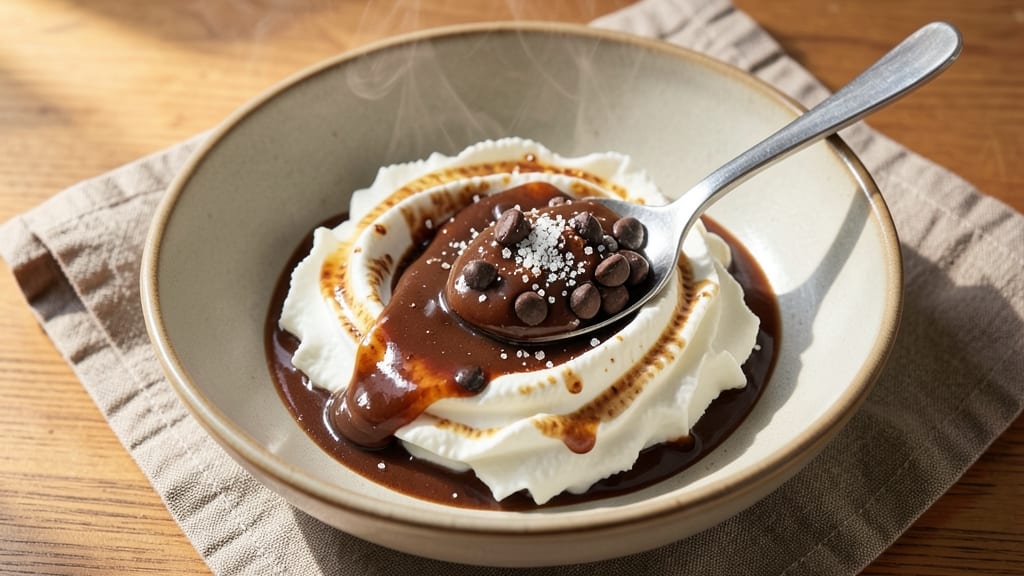
This chocolate wine recipe transforms a simple dessert into an elegant, boozy masterpiece that tastes like a sophisticated night out at home. The perfect balance of rich chocolate and velvety wine creates a decadent treat that’s surprisingly easy to make.
I’ve perfected this recipe over years of testing, ensuring every bite delivers that perfect harmony of flavors—deep, complex, and just sweet enough.
The secret lies in using a high-quality red wine (like Cabernet Sauvignon) and premium chocolate, both of which elevate the dish without overpowering it.
The wine simmers gently to reduce its alcohol content while infusing the chocolate with its natural depth, creating a sauce that’s smooth, luxurious, and impossible to resist. This isn’t just dessert—it’s an experience, one that pairs beautifully with whipped cream, fresh berries, or even a sprinkle of sea salt.
What makes this recipe stand out is its versatility. Serve it warm over vanilla ice cream for a classic pairing, drizzle it over pound cake for a restaurant-worthy finish, or even use it as a glaze for chocolate-covered strawberries.
The possibilities are endless, but the technique remains simple: melt, reduce, and combine with precision. The result? A dessert that feels indulgent yet effortless to prepare.
Once you try this chocolate wine recipe, you’ll never settle for store-bought versions again. The combination of wine and chocolate creates a depth of flavor that’s hard to match, and the process is straightforward enough for even beginner bakers. Let’s get started—your taste buds will thank you.
Ingredients for chocolate wine
Premium chocolate, bold wine, and velvety cream create an elegant dessert experience.
| Ingredient | Amount | Notes |
|---|---|---|
| High-Quality Red Wine 🍷 | 1 cup | Cabernet Sauvignon or Merlot preferred |
| Dark Chocolate Chips 🍫 | 12 oz | 70% cocoa minimum, high-quality |
| Heavy Cream 🥛 | 1 cup | Full-fat for optimal richness |
| Unsalted Butter 🧈 | 2 tbsp | Cold, cut into small cubes |
| Granulated Sugar 🍚 | ¼ cup | Adjust to taste for sweetness |
| Vanilla Extract 🌿 | 1 tsp | Pure, high-quality preferred |
| Pinch of Salt 🧂 | ⅛ tsp | Enhances chocolate flavor |
| Vanilla Ice Cream 🍦 | 1 ½ cups | For serving, premium quality |
| Fresh Berries 🍓 | 1 cup | Optional garnish, raspberries preferred |
| Flaky Sea Salt 🧂 | ½ tsp | For finishing, Maldon preferred |
| Whipped Cream 🥛 | ½ cup | Optional garnish, lightly sweetened |
The red wine is non-negotiable for depth. Cabernet Sauvignon or Merlot from a reputable vineyard delivers the best complexity—avoid cooking wines or anything with artificial additives. For chocolate, 70% cocoa or higher ensures rich flavor without overpowering sweetness. Ghirardelli or Lindt chips are my go-tos, but any high-quality brand works. The heavy cream should be cold and full-fat—this isn't the time for reduced-fat shortcuts. Butter adds luxurious texture, so use European-style butter if available, like Plugrá or President. Fresh berries? Local, in-season berries elevate the presentation, but frozen will work in a pinch if you're in a hurry.
No red wine? Substitute with 1 cup of strong black coffee for depth, though the flavor profile will differ. Chocolate chips can be swapped for chopped chocolate bars or even chocolate sauce (reduce by 2 tbsp liquid). Heavy cream unavailable? Coconut cream or half-and-half works, though texture may vary. For a dairy-free option, coconut whipped cream pairs surprisingly well. The vanilla extract should be pure—imitation extracts lack the depth this recipe demands. If you're short on time, vanilla bean paste is a great alternative, though it requires straining. The sea salt is optional but recommended—Maldon flaky salt adds a sophisticated finish that balances the richness.
This sauce thickens as it cools, so reheat gently on low heat with a splash of cream if needed. Store in an airtight container in the fridge for up to 1 week, or freeze for up to 3 months in a sealed container. For serving, warm the sauce slightly before drizzling over ice cream—this enhances the wine's aroma. The whipped cream should be lightly sweetened with powdered sugar and folded just until soft peaks form. Fresh berries add vibrant color, but dried cranberries or chocolate shavings work beautifully too. Portion the sauce into ramekins ahead of time for an elegant presentation.
Why You'll Love This Recipe
- Few-Step Magic: I swear, this takes less time than waiting for takeout. Just simmer the wine and chocolate together—no fancy techniques—then stir in the cream and butter until it’s velvety. The hardest part? Deciding when to stop stirring.
- Rich Without Effort: That first sip? Pure decadence. The red wine’s depth and the dark chocolate’s bitterness play off each other like a perfect duet, all while the cream and sugar smooth out the edges. It’s the kind of flavor that makes you forget it’s basically dessert in a mug.
- Crowd-Pleasing Any Day: Between us, this is my go-to for date nights, lazy Sundays, or when I need to impress someone with zero stress. Serve it warm with whipped cream, pour it over ice cream, or even drizzle it over pancakes—it’s always a hit.
Step-by-step instructions for chocolate wine dessert
This decadent chocolate wine dessert combines rich flavors through precise technique—follow these steps to achieve perfect balance.
Temper the Chocolate and Wine Mixture
In a medium heatproof bowl, combine the 1 cup high-quality red wine and 2 tablespoons unsalted butter. Place this mixture over a pot of simmering water (double boiler method), ensuring the bowl doesn't touch the water. Heat gently until the butter melts completely and the wine reaches 160°F. Remove from heat immediately.
Quickly whisk in the 12 oz dark chocolate chips, working continuously until fully melted and smooth. The mixture should reach 110°F—this temperature ensures the chocolate sets properly without seizing. If you see any graininess, strain through a fine-mesh sieve for a silky texture. Let this mixture cool slightly to 100°F before proceeding, as this prevents the ice cream from melting prematurely.
Incorporate Cream and Sweetener
In a separate saucepan, heat the 1 cup heavy cream over medium-low heat until it just begins to simmer. Remove from heat and whisk in the 0.25 cup granulated sugar and 1 tsp vanilla extract until fully dissolved. The cream should have a slight sheen—this indicates proper emulsification.
Temper the cream mixture by gradually pouring it into the cooled chocolate-wine mixture while whisking constantly. Add the 0.125 tsp pinch of salt and continue whisking until completely smooth. The sauce should thicken slightly and coat the back of a spoon. If it's too thin, return to low heat for 1-2 minutes to reduce further. This step creates the velvety texture that defines this dessert.
Assemble the Dessert
Scoop the 1.5 cups vanilla ice cream into four serving glasses or bowls, packing it down gently. Pour the chocolate-wine sauce evenly over each serving, allowing it to cascade down the sides for visual appeal. The sauce should cover the ice cream completely—about 2-3 tablespoons per serving. Place the glasses in the freezer for 15 minutes to allow the sauce to partially set.
While the desserts chill, prepare the fresh berries by hulling and washing them if needed. Arrange the 1 cup fresh berries artistically on top of each serving, using their vibrant colors to contrast the deep chocolate. This garnish adds freshness and balances the richness of the wine and chocolate.
Finish with Whipped Cream and Salt
Whip the 0.5 cup whipped cream until soft peaks form. Pipe or dollop it generously over each dessert, creating a cloud-like texture that complements the dense chocolate base. Sprinkle each serving with the 0.5 tsp flaky sea salt, focusing on the whipped cream and berries. The salt enhances the chocolate's depth and cuts through the sweetness.
Serve immediately after assembly, as the contrast between the frozen ice cream and the warm sauce creates the ultimate indulgent experience. Each bite should deliver layers of chocolate intensity, wine complexity, and creamy smoothness. For best results, prepare this dessert no more than 2 hours before serving to maintain optimal texture.
Pro Tips For Making Chocolate Wine
- Temper the Chocolate: Chop the dark chocolate into rough chunks—no need for perfection—and melt it in a heatproof bowl set over simmering (not boiling) water. I learned this the hard way: direct heat burns chocolate faster than you can blink, and burned chocolate ruins everything.
- Reduce Wine First: Simmer the red wine uncovered for 5–7 minutes before adding anything else. This cuts the alcohol sharpness and thickens the base, so your sauce doesn’t end up thin or boozy. (Yes, even if you’re impatient like me.)
- Whisk in Butter Slowly: When adding the butter and cream, drizzle in a little at a time while whisking constantly. Butter clumps like a stubborn child if you dump it all in at once, and you’ll end up with lumps in your sauce—no one wants that.
- Sweeten Last: Hold off on adding the sugar until the very end, just before serving. The heat can caramelize it too much, making your sauce taste bitter or overly sweet. Taste as you go—adjust with a pinch at the table if needed.
Regional styles of chocolate wine
French Bistro Style
In Parisian bistros, this dessert often takes the form of a warm chocolate-wine fondue served with brioche bread or chocolate-dipped strawberries. The French version uses Pinot Noir instead of Cabernet, which adds a lighter, fruitier note that pairs beautifully with vanilla bean ice cream.
I’ve seen chefs in Lyon add a touch of orange zest to the sauce for a bright, citrusy contrast that’s pure elegance. 🍷
Italian Gelato Twist
Southern Italy transforms this into a chocolate-wine gelato by reducing the wine first to intensify its flavor, then blending it with mascarpone cheese for a creamy texture. The Italians also incorporate espresso powder (about 1 tsp) to deepen the chocolate’s richness.
Serve it in small cups with a sprinkle of crushed amaretti cookies on top—a match made in heaven. 🍦
German Schokoladenkuchen Fusion
Germany’s take on this dessert is a chocolate-wine layer cake where the sauce replaces traditional chocolate ganache. The Germans use Riesling wine for a sweeter, floral profile that balances the dark chocolate perfectly.
They also fold whipped egg whites into the batter for a lighter texture. Top with powdered sugar dusting and raspberry coulis for a showstopping dessert. 🍰
American Southern Comfort
In the American South, this dessert often becomes a chocolate-wine trifle layered with pecan pie filling and bourbon-soaked vanilla wafers. The Southerners use Zinfandel for its bold, jammy notes and add a pinch of cayenne pepper (about ¼ tsp) to the sauce for a subtle kick.
Serve in individual glasses with a whiskey drizzle for an extra layer of warmth. 🥃
Spanish Chocolate Wine Torrijas
Spain’s version is a chocolate-wine torrijas, where thick bread slices are soaked in the reduced wine-chocolate mixture, then fried until golden. The Spanish use Monastrell wine for its deep, spicy notes and sprinkle the torrijas with cinnamon sugar and chopped almonds.
This dessert is often served warm with a side of orange sorbet to cleanse the palate. 🍫
British After-Dinner Delight
The British elevate this into a chocolate-wine cheesecake where the sauce replaces the traditional chocolate layer. They use Port wine for a richer, nuttier flavor and swirl it into the batter before baking.
Top with fresh raspberries and a gold leaf garnish for a dessert fit for royalty. The British also serve it with a sherry pairing to complement the wine’s depth. 👑
Nutrition facts
Frequently asked questions
Can I use white wine instead of red in this chocolate wine dessert?
While red wine is ideal for its bold, fruity notes that pair perfectly with chocolate, you can use white wine in a pinch—but expect a lighter flavor profile. A dry white like Chardonnay or Sauvignon Blanc works best, though you may need to add 1/4 tsp of instant espresso powder to deepen the chocolate's richness. The alcohol content will be higher, so reduce the wine by 1/4 cup first to balance the sweetness.
How do I fix grainy chocolate in my sauce?
Grainy chocolate usually means the heat was too high or the chocolate wasn't fully melted. To fix it, strain the mixture through a fine-mesh sieve into a clean bowl. If you don't have a sieve, whisk in 1 tbsp of warm heavy cream or butter to help emulsify the chocolate. For next time, melt the chocolate gently over a double boiler, keeping the temperature below 110°F to prevent seizing.
Can I make this chocolate wine dessert ahead of time?
Yes! Prepare the sauce up to 3 days in advance and store it in an airtight container in the fridge. Reheat gently over low heat with a splash of cream until smooth. Assemble the dessert with ice cream and toppings just before serving to maintain the perfect texture contrast. The sauce can also be frozen for up to 3 months—thaw in the fridge overnight and reheat carefully.
What's the best wine to use if I don't have Cabernet Sauvignon?
Look for bold, fruity reds with low tannins to avoid bitterness. Merlot, Pinot Noir, or Zinfandel work beautifully. Avoid high-tannin wines like Malbec or Syrah, as they can make the chocolate taste bitter. For a sweeter profile, try a Port wine (reduce it first) or a fruity Gewürztraminer (though it's white). Always use a wine you'd drink straight—no cooking wines!
Can I make this recipe without alcohol?
Replace the wine with 1 cup of strong black coffee or 1 cup of apple juice reduced by half (simmer until syrupy). For depth, add 1 tsp of vanilla extract and 1/4 tsp of cinnamon. The texture will be slightly different, but the chocolate's richness will still shine. If using juice, reduce it until it reaches 1/2 cup to maintain the sauce's consistency.