Desserts
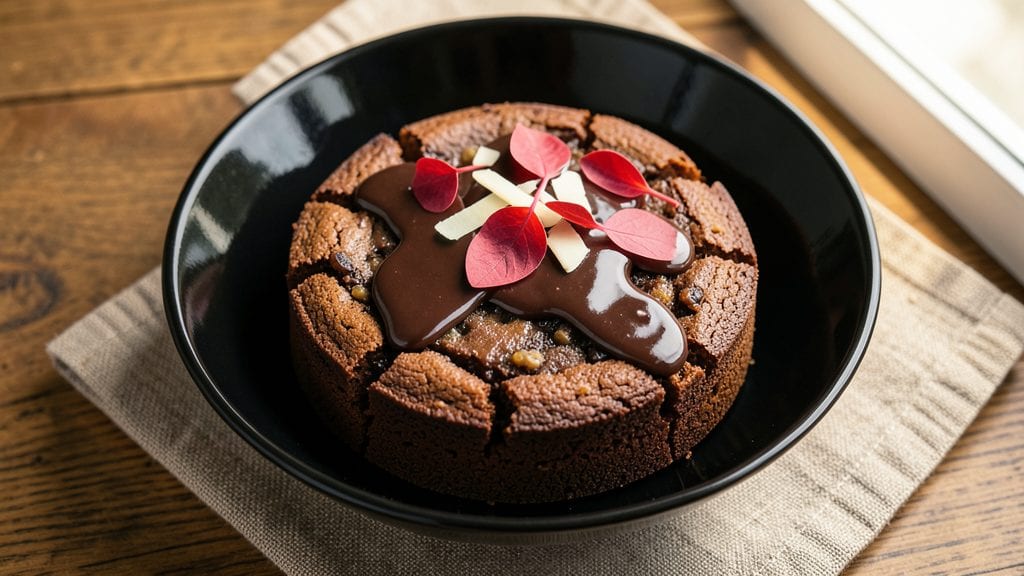
This chocolate cake with sauerkraut recipe redefines dessert by blending rich cocoa with the tangy crunch of fermented cabbage—creating a bold flavor profile that surprises and satisfies. The contrast between sweet and sour isn't just unexpected; it's a culinary revelation that transforms a classic cake into something entirely new.
I developed this recipe after experimenting with fermented ingredients in unexpected places, and the results were so compelling they're worth sharing.
The foundation is a moist, fudgy chocolate cake that bakes up with a crackly top and tender crumb—exactly what you'd expect from a classic. But here's where it gets interesting: we incorporate finely chopped sauerkraut into the batter, adding a subtle tang that brightens the chocolate's intensity.
The key to balancing these flavors lies in precise measurements and proper fermentation of the sauerkraut before using it.
What you'll end up with is a decadent cake that's both familiar and exciting—each bite delivers deep chocolate flavor with a refreshing, slightly acidic finish from the sauerkraut. The texture remains perfectly moist, while the fermented element adds a subtle crunch that elevates every slice.
This isn't just dessert; it's an experience that challenges expectations while delivering restaurant-quality results at home.
Perfect for adventurous dessert lovers or anyone looking to reinvent a classic, this recipe serves 8-10 and can be made ahead for special occasions. The sauerkraut preparation takes just 10 minutes, while the cake bakes in under an hour, making it surprisingly simple for such an impressive result.
Let's bring this unexpected fusion to your kitchen!
Ingredients for chocolate cake with sauerkraut
Rich cocoa meets fermented tang in this bold dessert fusion—where classic chocolate cake becomes unexpectedly extraordinary.
| Ingredient | Amount | Notes |
|---|---|---|
| Unsalted Butter 🧈 | 1 cup | Cold, cubed for optimal texture |
| Granulated Sugar 🍚 | 2 cups | White or light brown preferred |
| Unsweetened Cocoa Powder 🍫 | ¾ cup | High-quality Dutch-processed |
| All-Purpose Flour 🌾 | 2 cups | Sifted, spooned lightly |
| Baking Soda 🧂 | ½ tsp | Fresh for optimal leavening |
| Salt 🧂 | ½ tsp | Fine sea salt preferred |
| Vanilla Extract 🌿 | 2 tsp | Pure Madagascar bourbon |
| Large Eggs 🥚 | 2 whole | Room temperature for even mixing |
| Sauerkraut 🥬 | 1 ½ cups | Finely chopped, drained well |
| Whole Milk 🥛 | ¾ cup | Full-fat for optimal moisture |
| Dark Chocolate Chips 🍫 | 1 ½ cups | 70% cocoa or higher |
| Espresso Powder ☕ | 1 tsp | Enhances chocolate depth |
| White Vinegar 💧 | 1 tbsp | For sauerkraut fermentation |
| Powdered Sugar 🍚 | ½ cup | For dusting finished cake |
The sauerkraut is the game-changer here. Store-bought fermented cabbage works, but for optimal tang and texture, ferment your own using Diamond Crystal kosher salt and white vinegar—just 10 minutes of chopping and draining makes all the difference. Look for sauerkraut with vibrant color and no slimy spots—this indicates proper fermentation. I source mine from local fermented food vendors or make a batch myself; the flavor complexity is worth the effort. The key is balancing the sauerkraut's acidity with the chocolate's richness, which is why we use high-quality cocoa powder and espresso powder to deepen the chocolate base.
No sauerkraut on hand? Substitute with 1 cup finely chopped pickled jalapeños for heat, or 1/4 cup lemon juice plus 1 tsp apple cider vinegar for acidity—though neither will replicate the fermented crunch. The unsweetened cocoa powder must be Dutch-processed for smooth texture; natural cocoa will make the batter too acidic. For the butter, European-style unsalted (like Plugrá) yields a richer flavor, but standard American butter works fine. The dark chocolate chips should be at least 70% cocoa—Ghirardelli or Valrhona are my go-tos, but any high-quality brand will do. If you're avoiding dairy, coconut oil can replace butter, though texture may vary slightly.
This cake keeps beautifully for 5 days wrapped at room temperature, though it's best enjoyed fresh. For longer storage, slice and freeze portions on parchment-lined trays before transferring to a sealed container—up to 3 months. The sauerkraut can be prepped a week ahead and stored in the fridge, drained and wrapped in a clean towel to maintain texture. When serving, dust with powdered sugar for an elegant finish. The cake's moisture content means it reheats well—30 seconds at 350°F restores freshness perfectly.
Why You'll Love This Recipe
- No Mixer Needed: I swear by this recipe when I’m too tired to cream butter and sugar—just melt, fold, bake. The sauerkraut adds tangy depth without extra effort, and the cocoa powder does all the flavor work for you.
- Tangy Twist: That sauerkraut isn’t just a gimmick—it cuts the richness of the chocolate, giving you a bright, almost fudgy texture with a subtle fermented kick. Honestly, it’s the kind of flavor that makes you go back for another slice.
- Budget Baking: You’re using pantry staples here—no fancy ingredients, just butter, sugar, and a little fermented magic. I’ve made this for birthdays, potlucks, and even as a last-minute dessert, and it never feels like a stretch.
- Leftovers That Last: This cake keeps for days without drying out, and the sauerkraut’s acidity actually makes it taste better the next day. I’ll be real: I’ve reheated slices in the microwave and still gotten compliments—proof it’s a keeper.
Step-by-step instructions for chocolate cake with sauerkraut
This fusion of rich chocolate and tangy sauerkraut delivers a moist, deeply flavorful cake with surprising complexity.
Prepare the Sauerkraut Filling
Begin by thoroughly draining the 1.5 cups of sauerkraut, pressing it between paper towels to remove excess liquid. This step is critical—wet sauerkraut will make your cake dense. Transfer the drained sauerkraut to a small bowl and stir in 1 tablespoon of white vinegar and 1 teaspoon of espresso powder. Let this mixture sit for 10 minutes while you prepare the cake batter. The vinegar enhances the sauerkraut's tang, while the espresso powder deepens the chocolate flavor profile.
After 10 minutes, the sauerkraut should have a more pronounced fermented aroma. Taste it—you'll notice a bright, slightly acidic note that will perfectly complement the chocolate. Set this mixture aside; you'll use it to fill the cake layers later. The contrast between the rich chocolate and the fermented sauerkraut creates a sophisticated balance that elevates this classic dessert.
Cream Butter and Sugar
In a stand mixer fitted with the paddle attachment, combine the 1 cup of cold, cubed unsalted butter with the 2 cups of granulated sugar. Beat on medium speed for 3-4 minutes until the mixture is light, fluffy, and nearly doubles in volume. You're looking for a pale, airy texture that incorporates air—this will give your cake its signature tenderness. The butter should be completely creamed, with no visible lumps of fat remaining.
This step is where the cake's structure begins to form. The air incorporated at this stage creates pockets that will expand in the oven, resulting in a cake with a fine, even crumb. If your mixture isn't light enough after 4 minutes, continue beating for another minute. The butter should leave a clean, smooth impression on the sides of the bowl when you press your finger into it.
Incorporate Wet Ingredients
Reduce the mixer speed to low and add the 2 whole large eggs, one at a time, mixing just until each is fully incorporated. After the second egg is added, stir in the 2 teaspoons of vanilla extract and the 0.75 cup of whole milk. The mixture should be smooth and homogeneous, with no streaks of egg white remaining. This ensures even distribution of flavor and moisture throughout the cake.
Next, whisk together the 0.75 cup of unsweetened cocoa powder, 2 cups of all-purpose flour, 0.5 teaspoon of baking soda, and 0.5 teaspoon of salt in a separate bowl. Sift the dry ingredients directly over the wet mixture to prevent clumping. With the mixer on low speed, gradually add the dry ingredients, mixing just until combined. Overmixing at this stage can develop gluten, resulting in a tough cake. Stop mixing as soon as the flour is no longer visible.
Fold in Chocolate Chips and Prepare Layers
Remove the bowl from the mixer and gently fold in the 1.5 cups of dark chocolate chips using a silicone spatula. The chocolate chips should be evenly distributed throughout the batter, with no large clumps. Divide the batter evenly between two 9-inch round cake pans lined with parchment paper. The batter should fill each pan about two-thirds full, leaving room for the sauerkraut filling and the cake to rise.
Bake the cake layers in a preheated 350°F oven for 25-30 minutes, or until a toothpick inserted into the center comes out clean. The edges should be set, but the top should still appear slightly soft. Rotate the pans halfway through baking for even browning. Remove the cakes from the oven and let them cool in the pans for 10 minutes before transferring to a wire rack to cool completely. This cooling period ensures the cakes hold their shape when you add the sauerkraut filling.
Assemble and Dust with Powdered Sugar
Once the cake layers are completely cool, level the tops if necessary using a serrated knife. Place one layer on a serving plate and spread an even layer of the sauerkraut mixture over the top. The filling should be about ¼-inch thick—enough to taste but not so much that it seeps through the cake. Place the second layer on top and gently press down to create a seamless cake.
Finally, dust the entire cake with the 0.5 cup of powdered sugar using a fine-mesh sieve. This step adds a delicate sweetness that complements the rich chocolate and tangy sauerkraut. Serve the cake at room temperature to allow the flavors to meld fully. Each slice will reveal the unexpected harmony of chocolate and fermented vegetables, making this cake a memorable dessert experience.
Pro Tips For Making Chocolate Cake With Sauerkraut
- Melt Butter Slowly: I learned this the hard way—dumping cold butter into hot cocoa powder makes a greasy mess. Warm the butter in the saucepan first (just until it’s liquid but not browned), then whisk it into the cocoa. This keeps the batter smooth and prevents lumps that ruin texture.
- Sift the Cocoa Twice: Unsweetened cocoa powder clumps like a grumpy cat. Sift it once into the dry ingredients, then sift it again after mixing with the wet ingredients. This guarantees no gritty surprises in every bite, especially when paired with sauerkraut’s tangy bite.
- Don’t Overmix the Batter: Whisk just until the flour disappears—overmixing turns your cake dense and chewy. Sauerkraut’s acidity already adds moisture, so a slightly lumpy batter is better than tough layers. Fold in the last bit by hand if needed.
- Preheat Pan with Butter: Brush the cake pan with melted butter before adding the batter, then sprinkle a thin layer of sugar. This creates a crisp crust that balances the sauerkraut’s sharpness. Skip this, and you’ll get a sad, dry top.
Dietary considerations for this chocolate cake with sauerkraut
Gluten-Free Adaptation
For a gluten-free version, replace the 2 cups all-purpose flour with a 1:1 gluten-free baking flour blend like Bob's Red Mill 1-to-1. Add 1 teaspoon xanthan gum to improve structure and moisture retention.
The sauerkraut's tang will still shine, but the texture may be slightly denser—compensate by reducing milk to ½ cup and increasing butter to 1 cup + 2 tablespoons for richness. 💫
Dairy-Free Options
Swap the 1 cup butter for 1 cup coconut oil (solid) or vegan butter like Miyoko's, and use almond milk instead of whole milk. The cake will still be moist, though slightly less rich.
For the sauerkraut filling, omit the butter entirely—its tangy flavor stands alone without dairy. The espresso powder remains essential for balancing the flavors.
Lower Sugar Version
Reduce granulated sugar to 1.5 cups and replace ½ cup with unsweetened applesauce or mashed banana for natural sweetness. The sauerkraut's acidity will cut through the chocolate more prominently, so taste the batter before baking—you may need to add 1 extra teaspoon espresso powder to deepen the chocolate flavor.
The texture stays moist but slightly denser.
Vegan Considerations
For a fully vegan cake, use flax eggs (2 tbsp ground flaxseed + 6 tbsp water per egg) and vegan dark chocolate chips (like Enjoy Life brand). Replace butter with coconut oil and milk with oat milk.
The sauerkraut filling remains unchanged—its fermented tang works beautifully with plant-based ingredients. Expect a slightly denser crumb but richer chocolate depth.
Sauerkraut Substitutions
No sauerkraut? Try 1 cup finely chopped pickled jalapeños for heat or ½ cup sour cream mixed with 1 tbsp lemon juice for tang. For a fermented alternative, use 1 cup kimchi (drained well) but reduce to 1 cup due to its stronger flavor.
The key is balancing acidity—always taste before baking. The cake's structure will remain intact, but the flavor profile shifts dramatically. 🌶️
Nutrition facts
Frequently asked questions
Why does this recipe combine chocolate and sauerkraut?
The contrast between rich chocolate and fermented sauerkraut creates a sophisticated flavor balance. The tangy, slightly acidic sauerkraut cuts through the sweetness, making each bite more complex. This fusion highlights how fermented foods can elevate desserts by adding depth and unexpected textures.
How do I properly prepare the sauerkraut for this recipe?
Drain the sauerkraut thoroughly and press it between paper towels to remove excess liquid. Stir in 1 tablespoon white vinegar and 1 teaspoon espresso powder, then let it sit for 10 minutes to enhance its tang. This step ensures the right balance of acidity and flavor without making the cake too wet.
Can I make this cake gluten-free?
Yes! Replace the 2 cups all-purpose flour with a 1:1 gluten-free blend and add 1 teaspoon xanthan gum. Reduce milk to ½ cup and increase butter to 1 cup + 2 tablespoons for moisture. The texture will be slightly denser, but the sauerkraut's tang will still shine through.
What if I don’t like sauerkraut? Are there substitutes?
Try 1 cup finely chopped pickled jalapeños for heat or ½ cup sour cream + 1 tbsp lemon juice for tang. For a fermented alternative, use 1 cup kimchi (drained well), but reduce to 1 cup due to its stronger flavor. Always taste before baking to balance the acidity.
How long does this cake keep, and can I freeze it?
The cake stays fresh for 5 days at room temperature, wrapped tightly. For longer storage, slice and freeze portions on parchment-lined trays for up to 3 months. Thaw overnight in the fridge—microwaving can make it soggy. The sauerkraut filling can be prepped a week ahead and stored in the fridge.