
Desserts
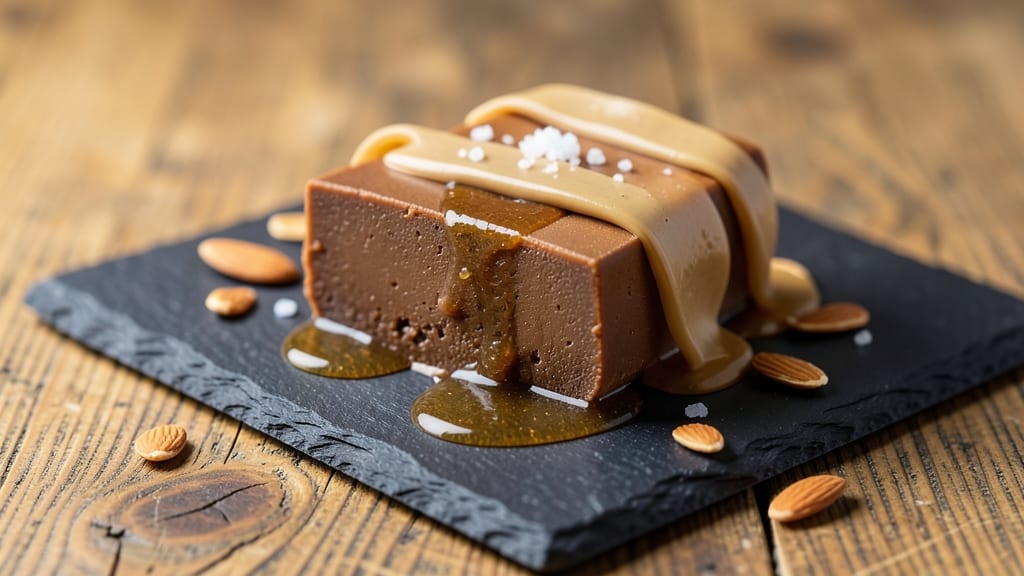
This carob chocolate recipe delivers a rich, nutty fudge that’s naturally sweetened and completely free of dairy or refined sugar—perfect for those avoiding cacao but craving deep chocolate flavor. The secret lies in carob powder’s natural caramel-like sweetness and its ability to create a velvety, melt-in-your-mouth texture without cocoa’s bitterness.
I developed this recipe after years of testing plant-based alternatives, and it’s now my go-to for holiday gifts or guilt-free indulgence.
The process is straightforward but requires precise timing to achieve that perfect fudgy yet firm consistency. You’ll work with just 6 simple ingredients, including coconut oil for richness and vanilla extract to enhance the carob’s earthy notes.
Unlike traditional chocolate fudge, this version stays stable at room temperature, making it ideal for gifting or meal prep. The result? A dessert that’s decadent yet balanced, with none of the caffeine or aftertaste of cocoa.
What sets this apart is the nutty depth—carob has a unique flavor profile that’s toasty and slightly molasses-like, creating a complex taste that’s far more interesting than basic chocolate.
The recipe yields a batch that’s easy to portion into squares or truffles, and it pairs beautifully with a sprinkle of sea salt or crushed nuts for added texture. Whether you’re vegan, sugar-conscious, or simply exploring alternatives, this fudge delivers on every level.
Ready in just 30 minutes with minimal active time, this recipe is perfect for busy weeknights or last-minute dessert cravings. The instructions are designed to guide you through each step with confidence, ensuring foolproof results every time. Let’s get started—your taste buds (and your guests) will thank you.
Ingredients for carob chocolate
Six ingredients transform into velvety carob fudge—naturally sweet, rich, and utterly addictive.
| Ingredient | Amount | Notes |
|---|---|---|
| Carob Powder 🍫 | ¾ cup | High-quality, unsweetened preferred |
| Coconut Oil 🥥 | ½ cup | Unrefined for rich flavor |
| Maple Syrup 🍁 | ½ cup | Grade B for deeper flavor |
| Pure Vanilla Extract 🌿 | 1 tbsp | Bourbon-infused for complexity |
| Sea Salt 🧂 | ½ tsp | Fine grain for delicate seasoning |
| Almond Butter 🥜 | ¼ cup | Natural, unsweetened preferred |
| Crushed Almonds 🌰 | ¼ cup | Toasted for enhanced nuttiness |
Carob powder is the star here—Bob's Red Mill or Nutiva are my go-tos for quality. The unsweetened kind ensures you control the sweetness level perfectly. Coconut oil should be unrefined and solid at room temperature—check the jar before buying. Maple syrup needs to be Grade B for that molasses-like depth; Whole Foods or Trader Joe's carry it. Vanilla extract? Bourbon-infused adds layers of complexity that regular extract can't match. The almond butter should be 100% almonds—no added oils or sugars.
No carob powder? Substitute with 3/4 cup cocoa powder plus 1 tbsp extra maple syrup—but you'll lose that unique toasty depth. Coconut oil solidifying? Microwave for 20 seconds to soften it. Short on almond butter? Cashew butter works too, though the flavor will shift slightly. The crushed almonds can be swapped for pecans or walnuts if you prefer. For an extra boost, add 1/4 tsp cinnamon to the mix—it complements the carob beautifully. And if you're feeling fancy, infuse the coconut oil with orange zest before mixing it in.
This fudge stays firm at room temperature—no need for refrigeration. Store in an airtight container for up to 2 weeks, though it's so good it rarely lasts that long. For gifting, portion into mini loaf pans or silicone molds—they make stunning presents. The texture improves after 24 hours as the ingredients meld together. If it softens in warm weather, pop it in the fridge for 10 minutes before serving. Trust me, the wait is worth it for that perfect snap.
Why You'll Love This Recipe
- Five-Ingredient Magic: I swear by this—just melt coconut oil, stir in carob powder, and let the maple syrup tie it all together. No fancy equipment, no stress, just pure, smooth chocolate magic in under 15 minutes.
- Rich Without Guilt: That deep, earthy carob flavor hits like dark chocolate but with a natural sweetness that doesn’t spike my blood sugar. A pinch of sea salt? Chef’s kiss. It’s the kind of treat I actually feel good about eating.
- Endless Uses: Slather it on toast, dip fruit, or roll it into energy balls—this stuff is my go-to for breakfast, snacks, or even a last-minute gift. Honestly, I’ve used it in everything from oatmeal to dessert, and it never lets me down.
- Budget-Friendly Luxury: Carob powder and coconut oil are way cheaper than cocoa and butter, but you’d never guess. I make a big batch, store it in the fridge, and still have it months later—no waste, all flavor. My wallet and taste buds thank me.
Step-by-step instructions for carob chocolate fudge
This rich, velvety carob fudge delivers deep cocoa-free indulgence with perfect texture every time.
Melt the Coconut Oil and Maple Syrup
In a medium saucepan, combine the 0.5 cup unrefined coconut oil and 0.5 cup Grade B maple syrup over low heat. Stir gently until the coconut oil melts completely—you'll see it transform from solid to a smooth, glossy liquid. This process should take about 5 minutes on low heat. The reason for low heat is to prevent the coconut oil from burning while allowing the maple syrup to infuse its rich, caramel-like flavor into the base.
Once fully melted, remove the saucepan from heat and let the mixture cool slightly for 2-3 minutes. You want it warm enough to blend smoothly but not so hot that it cooks the carob powder prematurely. The ideal temperature should be around 120°F—warm to the touch but not scalding. This step is crucial for creating a silky texture in your fudge.
Whisk in Carob Powder and Almond Butter
In a large mixing bowl, whisk together the 0.75 cup carob powder and 0.25 cup natural almond butter until completely smooth. The carob powder should dissolve evenly without any lumps—this is your base flavor profile. Gradually pour in the warm coconut oil and maple syrup mixture while continuing to whisk vigorously. You'll notice the mixture thicken as the carob powder absorbs the liquid.
Continue whisking for 2-3 minutes until the mixture reaches a thick, fudgy consistency. It should coat the back of a spoon and leave a glossy sheen on the surface. This is where the magic happens—the carob powder transforms into a rich, chocolate-like texture without any actual cocoa. If the mixture is too thick, you can gently warm it for 10-15 seconds in the microwave to loosen it slightly, but avoid overheating.
Incorporate Vanilla, Salt, and Crushed Almonds
Add the 1 tablespoon bourbon-infused vanilla extract and 0.5 teaspoon fine sea salt to the mixture and whisk until fully combined. The vanilla adds depth and complexity, while the salt enhances all the sweet and nutty flavors. At this point, fold in the 0.25 cup toasted crushed almonds using a spatula. You want them evenly distributed throughout the fudge—this is where the nutty crunch comes into play.
Taste the mixture at this stage. It should be rich, slightly sweet, and deeply carob-forward with a hint of vanilla warmth. If you find it needs more depth, you can add an extra ¼ teaspoon of vanilla extract, but be careful—too much can overpower the carob's natural earthiness. The crushed almonds should be visible but not clumped together, ensuring each bite has that perfect balance of texture.
Set the Fudge in a Cool Environment
Pour the fudge mixture into a 9x9-inch baking dish lined with parchment paper, smoothing the top with a spatula. Tap the dish gently on the counter to release any air bubbles that may have formed. This step ensures your fudge sets evenly without any gaps or uneven surfaces.
Let the fudge cool at room temperature for 1 hour before transferring it to the refrigerator. The initial cooling at room temperature allows the carob to set properly without becoming grainy. Once chilled in the refrigerator for 3-4 hours, or until firm to the touch, it's ready to be cut into squares. The fudge should hold its shape when lifted from the parchment, with a glossy sheen and a firm yet tender texture.
Cut and Store for Maximum Freshness
Using a sharp knife, cut the fudge into 1-inch squares while it's still cold. Dip the knife in hot water between cuts to ensure clean, precise edges. The fudge should release easily from the parchment with minimal sticking. If it does stick slightly, gently warm the back of the dish with your hands to loosen it.
Store the fudge in an airtight container in the refrigerator for up to 2 weeks or at room temperature for 5-7 days. The flavors will deepen slightly over time, making it even more irresistible. Serve it as a decadent dessert, a gift with a personal touch, or a healthy alternative to traditional chocolate treats. Each piece should be rich, slightly grainy from the carob, and perfectly balanced with the nutty crunch of the almonds.
Pro Tips For Making Carob Chocolate
- STIR CONSTANTLY AT FIRST: The first two minutes of melting coconut oil and carob together are when things go wrong fastest. I learned this the hard way—lump city. Keep a wooden spoon moving until the carob fully dissolves and the mixture turns smooth. After that, you can ease up, but those first minutes are non-negotiable.
- USE GRANULATED SALT: Flaky or coarse salt here just won’t cut it. The tiny crystals in sea salt dissolve unevenly, leaving you with grainy patches. Measure out your salt first, then sift it lightly over the warm carob mixture while stirring. It’s a small step, but it makes the texture silky.
- TEMPER THE MAPLE SYRUP: Cold maple syrup poured into warm coconut oil will shock the mixture and cause it to seize up. Warm the syrup slightly—just enough to take the chill off—by placing the bottle in warm water for 30 seconds. This keeps the carob from clumping when you mix it in.
- LET IT SET LONGER THAN YOU THINK: You’ll be tempted to dig in after 10 minutes, but resist. The carob needs at least 20 minutes to fully harden and develop its rich, fudgy texture. If you’re impatient, chill it in the freezer for 5 minutes first, then let it sit at room temp. Trust me, the wait is worth it.
Troubleshooting your carob chocolate
Grainy Texture Fix
If your carob fudge turns out grainy, it’s likely because the carob powder wasn’t fully dissolved or the mixture cooled too quickly. To prevent this, whisk the carob powder into the warm coconut oil mixture over low heat for 1-2 minutes—this helps break down any clumps.
After pouring into the dish, place it in the fridge for 1 hour before cutting, rather than rushing the cooling process. For extra smoothness, blend the mixture for 10 seconds with an immersion blender before setting. 💡
Sticky or Gummy Fudge
A sticky or gummy texture usually means the coconut oil didn’t solidify properly or the fudge didn’t chill long enough. Ensure your coconut oil is unrefined and solid at room temperature—if it’s liquid, chill it in the fridge for 10 minutes before using.
After pouring, refrigerate the fudge for the full 3-4 hours instead of cutting it early. If it’s still too soft, return it to the fridge for another 1-2 hours. Pro tip: Use a 9x9-inch baking dish lined with parchment paper to prevent sticking.
Fudge Not Setting Properly
If your fudge refuses to firm up, the issue is likely excess moisture or insufficient chilling time. Double-check your measurements—too much maple syrup can prevent proper setting. For a firmer texture, reduce the maple syrup by 1 tablespoon and add 1 extra tablespoon of carob powder.
Also, ensure your refrigerator is set to 38°F or below—some fridges run warmer and can slow down the setting process. If all else fails, freeze the fudge for 30 minutes before cutting for a firmer result.
Burnt or Bitter Taste
A burnt or bitter taste usually means the coconut oil overheated during melting. Always use low heat and remove the saucepan from heat as soon as the oil is fully melted. If you accidentally overheat it, let the mixture cool completely before proceeding—this helps neutralize any harsh flavors.
To mask bitterness, add an extra ½ teaspoon of vanilla extract or a pinch of cinnamon to balance the flavor. For future batches, keep an eye on the heat and use a thermometer to monitor the temperature—ideal melting temp is around 120°F. 🔥
Crushed Almonds Not Distributing Evenly
If your crushed almonds clump together or sink to the bottom, fold them in gently with a spatula instead of whisking. For even distribution, sprinkle them over the surface of the fudge after pouring it into the dish, then press lightly to embed them.
If you’re concerned about sinking, lightly toast the almonds first—their natural oils will help them adhere better. For a marbled effect, use a toothpick to drag lines through the fudge after adding the almonds, creating a beautiful visual contrast.
Fudge Too Sweet or Bland
Adjusting sweetness is easy—reduce the maple syrup by 1 tablespoon for a less sweet batch or add 1 extra tablespoon of carob powder for deeper flavor.
If the fudge tastes bland, boost the vanilla extract to 1.5 tablespoons or add a pinch of cinnamon or sea salt to enhance the carob’s natural richness. For a more complex flavor, infuse the coconut oil with orange zest or cardamom before melting it.
Taste as you go—carob’s flavor is subtle, so don’t be afraid to experiment with small adjustments. ✨
Nutrition facts
Frequently asked questions
Why does carob taste different from chocolate?
Carob has a naturally sweet, nutty flavor with caramel-like undertones—no cocoa bitterness! It contains no caffeine or theobromine, making it gentler on digestion. The toasty depth comes from its molasses-like sweetness, which pairs beautifully with vanilla and nuts in this recipe.
Can I make this fudge without coconut oil?
Yes! Substitute with ½ cup melted vegan butter or ¼ cup avocado oil for a neutral flavor. For extra richness, use ¼ cup tahini instead of almond butter—it adds a deeper nutty profile. Just reduce the maple syrup by 1 tablespoon if using tahini to balance sweetness.
How do I store carob fudge for gifting?
Wrap individual squares in parchment paper, then place in an airtight container with a layer of wax paper between layers. Store in a cool, dry place for up to 2 weeks or freeze for 3 months. For presentation, use mini loaf pans or silicone molds—they make elegant gift boxes!
Is carob safe for people with chocolate allergies?
Yes! Carob is completely different from cocoa and doesn’t contain the same proteins that trigger chocolate allergies. However, always check with a healthcare provider if you have severe allergies, as cross-contamination is possible in shared kitchens.
Can I make this fudge nut-free?
Skip the almond butter and crushed almonds, then add ¼ cup sunflower seed butter for creaminess. For texture, fold in ¼ cup toasted coconut flakes or seeds (like pumpkin or chia). The recipe will still hold its structure without nuts.