
Desserts
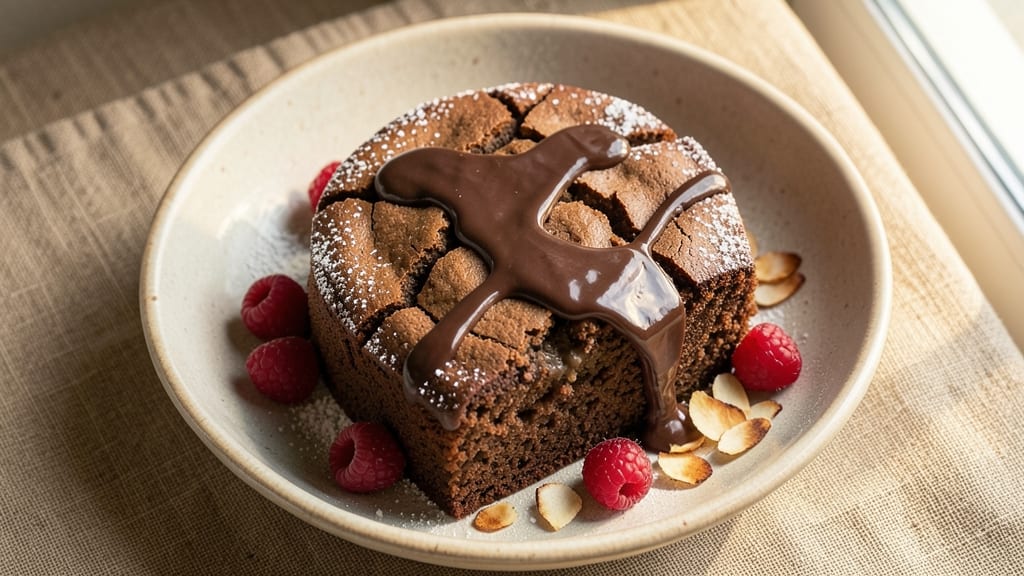
This gluten and dairy free chocolate cake recipe delivers fudgy layers that rival traditional cakes without sacrificing texture or flavor. The secret lies in almond flour and plant-based ingredients that create a rich, moist crumb while staying completely allergen-free.
After years of testing, I've perfected a method that ensures even baking and a satisfying crunch from the cocoa powder.
The foundation of this recipe is a precise blend of almond flour, cocoa powder, and natural sweeteners that develop deep chocolate flavor without dairy. I use flax eggs for binding and coconut oil for moisture, creating a cake that's tender yet sturdy enough to hold its shape.
The result is a dessert that's indulgent yet guilt-free, perfect for dietary restrictions without compromise.
What sets this cake apart is its professional-level fudginess—achieved through proper mixing techniques and a precise oven temperature. Each layer stays moist for days, with a subtle crunch from the cocoa that keeps every bite interesting.
The frosting, made with coconut cream, adds a velvety finish that ties everything together beautifully.
Whether you're baking for allergies, preferences, or simply want a healthier dessert, this recipe delivers restaurant-quality results at home. The method scales perfectly for gatherings, and the flavor is so rich that even non-dietary bakers will reach for seconds. Let's get baking!
Ingredients for gluten and dairy free chocolate cake
Almond flour, cocoa powder, and coconut oil create this decadent gluten and dairy free chocolate cake.
| Ingredient | Amount | Notes |
|---|---|---|
| Almond Flour 🌰 | 2 ½ cups | Finely ground, unsweetened preferred |
| Unsweetened Cocoa Powder 🍫 | 1 cup | Natural or Dutch-processed preferred |
| Granulated Coconut Sugar 🍯 | 1 ½ cups | For caramel notes without refined sugar |
| Ground Flaxseed 🌾 | ½ cup | For flax eggs, freshly ground |
| Filtered Water 💧 | 1 cup | Room temperature, for flax eggs |
| Melted Coconut Oil 🥥 | 1 cup | Unrefined for rich flavor |
| Vanilla Extract 🌿 | 2 tsp | Pure Madagascar bourbon preferred |
| Baking Powder 🍞 | 1 tbsp | Aluminum-free for gluten-free compatibility |
| Sea Salt 🧂 | ½ tsp | Fine grain, Diamond Crystal preferred |
| Coconut Cream 🥥 | 1 can | Full-fat, chilled overnight |
| Powdered Sugar 🍚 | 2 cups | For frosting, organic preferred |
| Dark Chocolate Chips 🍫 | 1 cup | 70% cacao, dairy-free |
| Espresso Powder ☕ | 1 tsp | Enhances chocolate depth |
| Orange Zest 🍊 | 1 tbsp | Fresh, for bright acidity |
The almond flour is non-negotiable for texture—Bob's Red Mill or Anthony's Goods brands yield the finest grind. Opt for natural cocoa powder like Navitas Organics for deeper flavor, and always sift it first to prevent lumps. Coconut sugar adds subtle caramel notes without refined sugar's harshness, while Trader Joe's carries it at a reasonable price. For the flax eggs, grind the seeds fresh using a coffee grinder to maximize binding potential. The coconut oil must be melted but not overheated—microwave in 20-second bursts until just liquid. Orange zest from organic oranges at Whole Foods adds a sophisticated brightness that elevates the chocolate profile.
No almond flour? Oat flour or cashew flour work in a pinch, though texture will differ slightly. Substitute coconut sugar with maple syrup at 1:1 ratio, but reduce other liquids by 2 tbsp to maintain moisture balance. For the cocoa powder, Dutch-processed yields smoother flavor but lighter color, while natural cocoa delivers more intense chocolate notes. The espresso powder can be omitted if you lack it, though it deepens the chocolate's complexity. If you're sensitive to coconut flavor, avocado oil works as a neutral substitute in the batter, though it lacks the rich mouthfeel of coconut. Always use powdered sugar for frosting—granulated won't whip properly without dairy fat.
Store the cake layers wrapped in parchment paper at room temperature for up to 3 days to maintain moisture. For longer storage, freeze the unfrosted layers for 3 months—thaw at room temperature before assembling. The coconut cream frosting should be refrigerated between uses and rewhipped briefly before spreading. To prevent dryness, brush layers with a thin layer of melted coconut oil before frosting. The chocolate chips can be folded in during baking for a marbled effect, or reserved to decorate the top for visual appeal.
Why You'll Love This Recipe
- No Fuss Mixing: I swear by this—just toss almond flour, cocoa powder, and coconut sugar in a bowl, stir in flax "eggs," and you’re done. No stand mixer, no waiting for eggs to chill, no sticky mess. Honestly, I’ve made it in a mug when I was too tired to bake.
- Rich Without Guilt: That deep cocoa flavor? It’s real—no artificial shortcuts here. The almond flour keeps it moist but not heavy, and the coconut sugar caramelizes just enough to make every bite taste like a treat, not a compromise. (Yes, even on a Tuesday night.)
- Leftover Hero: This cake actually improves the next day—firm enough to slice neatly for breakfast or a snack, and the flaxseed adds a subtle nuttiness that pairs perfectly with coffee or tea. I’ve sent slices to work in my lunchbox more times than I can count.
- Budget-Friendly Luxury: Almond flour and cocoa powder stretch further than you’d think, and coconut sugar is cheaper than refined sugar while still delivering that satisfying sweetness. Between us, this is the one dessert I bake when I’m pinching pennies—but no one ever guesses it’s allergy-friendly.
Step-by-step instructions for gluten and dairy free chocolate cake
A rich, fudgy chocolate cake without gluten or dairy? Achievable with precise technique and quality ingredients.
Prepare the Flax Eggs and Mix Dry Ingredients
In a small bowl, whisk together the 0.5 cup ground flaxseed and 1 cup filtered water. Let this mixture sit for 10 minutes until it thickens into a gel-like consistency—this is your flax egg substitute. Meanwhile, in a separate large bowl, sift together the 2.5 cups almond flour, 1 cup unsweetened cocoa powder, 1.5 cups granulated coconut sugar, 1 tbsp baking powder, 0.5 tsp sea salt, 1 tsp espresso powder, and 1 tbsp orange zest. This ensures an even distribution of ingredients and prevents lumps in the batter.
The espresso powder deepens the chocolate flavor while the orange zest adds a bright contrast to the richness. Sifting the dry ingredients also aerates them slightly, which helps create a lighter texture in the final cake. I like to use a fine-mesh sieve for this step to avoid any graininess in the finished product.
Combine Wet Ingredients and Fold in Chocolate
To the dry mixture, add the flax egg, 1 cup melted coconut oil, and 2 tsp vanilla extract. Mix with a spatula until just combined—you should still see pockets of flour. Overmixing develops gluten, even in gluten-free flours, which can make the cake dense. Next, gently fold in the 1 cup dark chocolate chips using a silicone spatula, ensuring they're evenly distributed throughout the batter.
The melted coconut oil should be completely cool but still liquid to prevent the chocolate chips from melting prematurely. If the batter seems too thick, add 1-2 tablespoons of filtered water to achieve a smooth, pourable consistency. The goal is a thick yet spreadable batter that holds its shape when poured into pans.
Bake the Cake Layers
Preheat your oven to 350°F and grease two 8-inch round cake pans with coconut oil or line them with parchment paper. Divide the batter evenly between the pans and smooth the tops with a spatula. Bake for 25-30 minutes, or until a toothpick inserted into the center comes out clean with just a few moist crumbs clinging to it. Rotate the pans halfway through baking for even heat distribution.
This cake relies on the precise balance of almond flour and cocoa powder for structure, so avoid opening the oven early—steam release can cause the cake to sink. The edges should pull away slightly from the pan, and the top should spring back when gently pressed. If the top browns too quickly, tent loosely with foil after 20 minutes to prevent over-browning while ensuring the center cooks through.
Prepare the Coconut Cream Frosting
While the cake layers cool, prepare the frosting by chilling the 1 can coconut cream overnight in the refrigerator. Scoop out the thick cream (discard the watery part) and whip it with an electric mixer until soft peaks form. Gradually add the 2 cups powdered sugar, 1 tsp vanilla extract, and a pinch of sea salt, continuing to whip until the frosting is smooth, fluffy, and holds its shape when spread.
The coconut cream should be at room temperature when whipped to achieve the best texture. If it's too cold, it may seize up and become grainy. For extra richness, you can add 1 tablespoon of melted coconut oil while whipping, but the frosting should already be luscious enough on its own. Taste and adjust sweetness if needed—powdered sugar can vary in sweetness.
Assemble and Chill the Cake
Once the cake layers have cooled completely, place one layer on a plate and spread a generous amount of the coconut cream frosting over the top. Place the second layer on top and spread the remaining frosting over the entire cake, creating a smooth finish. Use a long spatula to scrape any excess frosting from the sides and create clean edges. Finally, press the dark chocolate chips into the sides of the cake for a decorative touch.
Refrigerate the cake for at least 2 hours before serving to allow the frosting to set properly. This chilling time also enhances the flavors, making the chocolate more pronounced and the coconut frosting creamier. Slice with a warm knife for clean cuts, and serve at room temperature for the best texture contrast between the fudgy cake and velvety frosting.
Pro Tips For Making Gluten And Dairy Free Chocolate Cake
- Mix Dry First: Dump almond flour, cocoa powder, and coconut sugar into your bowl before adding wet ingredients—this prevents clumping in the cocoa and ensures the flax "eggs" (ground flax + water) bind properly. I used to add liquids first and ended up with a lumpy mess every time.
- Sift the Cocoa: Lightly sift the unsweetened cocoa powder through a fine-mesh sieve to break up any clumps—this keeps the texture silky, not grainy. Skip this, and you’ll taste the difference, especially if your cocoa’s been sitting in a humid kitchen.
- Don’t Overbake: Pull the cake out when the edges are set but the center still jiggles slightly—almond flour cakes dry out fast. After 25–30 minutes, check with a toothpick: it should come out with moist crumbs, not clean. Overbaking turns it into a brick.
- Toast the Almond Flour: Spread the almond flour on a baking sheet and toast for 5–7 minutes at 350°F until it smells nutty—this deepens the flavor and prevents a raw taste. Sounds like extra work, but it’s the thing that makes this cake taste homemade instead of just "decent."
Perfect pairings for gluten and dairy free chocolate cake
Fruity Complements
Fresh berries like raspberries or blackberries add a vibrant contrast to the rich chocolate. Arrange them in a circular pattern on top or create a berry compote by simmering 1 cup mixed berries with 1 tbsp honey and 1 tsp lemon juice for 5 minutes.
The tartness cuts through the sweetness beautifully. 🍓
Creamy Contrasts
Serve with a scoop of dairy-free vanilla ice cream (I love So Delicious coconut milk-based options) for a cool, creamy contrast. Alternatively, a dollop of coconut whipped cream made from chilled coconut cream adds a luxurious touch. Both pairings enhance the cake's decadence without overwhelming its chocolate depth.
Spiced Accompaniments
Warm spiced orange syrup made by simmering ½ cup orange juice, 2 tbsp coconut sugar, and 1 cinnamon stick for 10 minutes adds a sophisticated pairing.
Drizzle it over slices or serve it on the side for dipping. The citrus and spice complement the cake's chocolate richness perfectly. 🍊
Coffee Pairings
A strong cup of espresso or a dark roast coffee enhances the chocolate's depth. For a dessert coffee experience, serve with a dairy-free latte made with oat milk and a sprinkle of cocoa powder. The bitterness of the coffee balances the sweetness of the cake, creating a harmonious flavor profile.
Chocolate Drizzle
Elevate presentation with a dairy-free dark chocolate ganache. Melt ½ cup dairy-free dark chocolate chips with ¼ cup coconut cream over a double boiler, then drizzle over slices.
For extra flair, add crushed hazelnuts or sea salt flakes** to create a sophisticated finish. This adds a professional touch that makes your cake look restaurant-quality. 🍫
Nutrition facts
Frequently asked questions
Can I substitute almond flour with another gluten-free flour?
Yes, but texture will change. Oat flour or cashew flour work best in a 1:1 ratio, though almond flour provides the ideal balance of moisture and structure. For a lighter crumb, blend 1 cup almond flour with ½ cup tapioca starch, but expect a slightly denser result. Always sift gluten-free flours to prevent lumps.
Why does my dairy-free chocolate cake taste "off" or dry?
Overmixing or baking too long are common culprits. Mix just until combined (pockets of flour should remain) and bake until a toothpick comes out with moist crumbs, not clean. For extra moisture, brush cooled layers with melted coconut oil before frosting. Chilling the cake too long can also dry it out—slice within 24 hours.
How do I make this cake nut-free?
Replace almond flour with oat flour or a blend of 1 cup oat flour + ½ cup tapioca starch. For binding, use ¼ cup chia seeds + ¾ cup water (let sit 15 minutes) instead of flax eggs. The texture will be slightly denser but still delicious. Always check oat flour for cross-contamination warnings if severe allergies are a concern.
Can I bake this in a different pan size?
Yes, but adjust baking time. For a 9-inch pan, reduce time by 3-5 minutes (check at 22 minutes) since it's shallower. For a 6-inch pan, increase time by 5-7 minutes. Use an oven thermometer to confirm 350°F—fluctuations affect texture. Rotate pans halfway through baking for even cooking.
What's the best way to store leftovers?
Wrap layers tightly in plastic wrap and store at room temperature for 3 days or freeze unfrosted layers for 3 months. Thaw in the fridge overnight. For frosting, refrigerate between uses and rewhip briefly before spreading. To revive dryness, brush slices with melted coconut oil and rewarm at 300°F for 5 minutes.