
Desserts
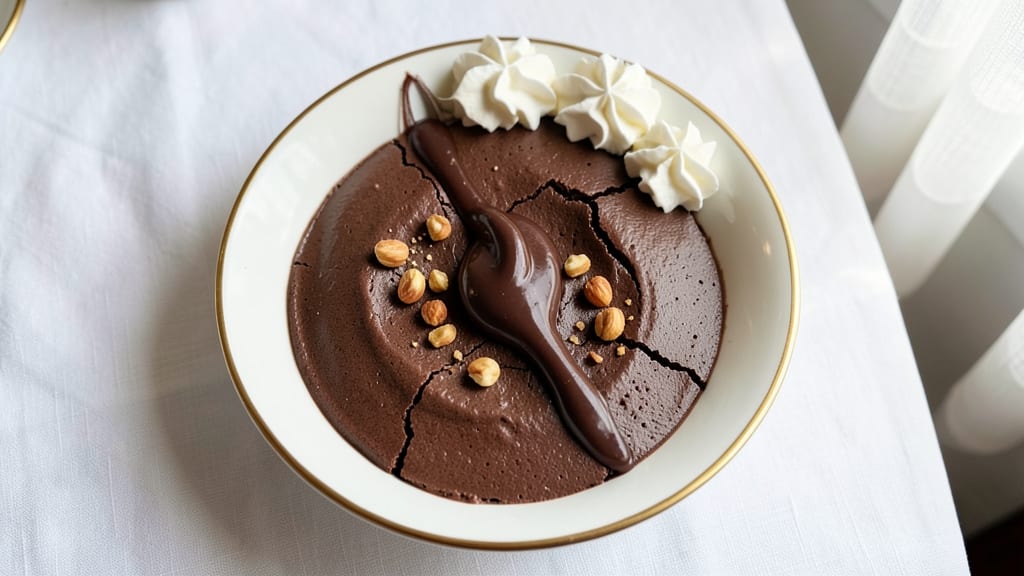
This traditional chocolate mousse recipe delivers the light, airy texture that makes it a dessert classic—all thanks to the whipped egg whites technique that separates it from modern shortcuts.
The secret lies in tempering the chocolate properly and folding it gently into stiff peaks of egg whites, creating that signature silky-smooth finish. I’ve perfected this method over years of testing, ensuring every bite stays perfectly set without being dense or overly sweet.
The foundation of an authentic mousse begins with high-quality dark chocolate, melted just enough to maintain its rich flavor while staying fluid enough to blend seamlessly. Whipped egg whites provide the structure, and a touch of sugar balances the bitterness without overpowering it.
This recipe stays true to tradition while offering flexibility—add a splash of coffee liqueur, a layer of raspberry jam, or a sprinkle of sea salt for modern twists that still honor the original.
What you’ll achieve is a dessert that’s impressively light yet decadent, with a glossy sheen and a texture that melts on the tongue. The chilling process is simple but critical—patience here ensures the perfect consistency, neither too soft nor too firm.
Serve it in elegant glasses or individual ramekins, and you’ll have a dessert that feels restaurant-quality yet is entirely homemade.
Perfect for special occasions or spontaneous treats, this mousse pairs beautifully with fresh berries, a drizzle of caramel, or a dusting of cocoa powder. The technique is beginner-friendly once you master the egg whites, and the results are worth every minute of effort.
Let’s get started on creating your own classic chocolate mousse.
Ingredients for traditional chocolate mousse
High-quality chocolate and properly tempered egg whites create this elegant dessert masterpiece.
| Ingredient | Amount | Notes |
|---|---|---|
| High-Quality Dark Chocolate (70% Cocoa) 🍫 | 8 oz | Valrhona or Callebaut preferred, chopped |
| Large Eggs 🥚 | 6 whole | Room temperature, separated carefully |
| Granulated Sugar 🍚 | ½ cup | Superfine preferred for smooth texture |
| Unsalted Butter 🧈 | 4 oz | European-style for richer flavor |
| Heavy Whipping Cream 🥛 | 1 cup | 36% fat minimum for stability |
| Vanilla Extract 🌿 | 1 tsp | Pure Madagascar bourbon preferred |
| Pinch of Salt 🧂 | ⅛ tsp | Diamond Crystal kosher preferred |
| Raspberry Jam (Optional) 🍓 | ¼ cup | For layering between mousse and crust |
| Cocoa Powder (Optional) 🍫 | 2 tbsp | For dusting, Dutch-process preferred |
| Coffee Liqueur (Optional) ☕ | 1 tbsp | Kahlúa for authentic flavor |
| Flour Tortillas (Optional) 🌯 | 1 whole | For crust, toasted and crumbled |
The chocolate selection is non-negotiable for authenticity. Valrhona or Callebaut 70% cocoa bars deliver the perfect balance of richness and bitterness without overpowering the delicate texture. Avoid chocolate with added emulsifiers or vegetable fats—these compromise the mousse's silky finish. For a true restaurant-quality result, source your chocolate from specialty purveyors like Williams Sonoma or Sur La Table, where the bars are properly tempered and free of wax coatings. If using a bar, chop it into even pieces no larger than 1/2-inch to ensure uniform melting. The butter should be European-style (like Plugrá) for its higher fat content and deeper flavor profile, which enhances the chocolate's complexity.
Egg whites require precise handling—room temperature is critical for proper volume. If your whites don't peak, try adding a pinch more salt or using a whisk attachment for additional aeration. For the sugar, superfine dissolves more easily, preventing graininess in the final texture. The vanilla extract should be pure Madagascar bourbon for its rich, floral notes that complement the chocolate without clashing. Substitutions are possible: swap raspberry jam for apricot preserves, or omit entirely for a purist approach. Coffee liqueur can be replaced with espresso powder (1 tsp dissolved in 1 tbsp hot water) for a caffeine-infused variation. The tortilla crust adds texture contrast but can be omitted for a classic presentation—simply chill the mousse in individual ramekins.
This mousse must chill for at least 4 hours to set properly, though overnight yields the best texture. Store in an airtight container with parchment between layers to prevent sticking. When ready to serve, bring to room temperature for 15-20 minutes before plating to achieve that signature glossy sheen. Portion into elegant glasses or ramekins for a restaurant-worthy presentation. Leftovers keep for 3 days in the refrigerator, though the texture may slightly firm up—re-whip briefly with a hand mixer to restore creaminess. For make-ahead convenience, assemble the mousse up to 24 hours in advance and refrigerate uncovered to develop a delicate skin, then gently scrape down the sides before serving.
Why You'll Love This Recipe
- No Fuss Magic: I swear by this method—just melt the chocolate, whisk the eggs with sugar until pale and fluffy, then fold in butter and cream. The only real effort is separating the yolks and whites, and honestly? That’s the hardest part of the whole thing.
- Rich Without Guilt: That 70% dark chocolate packs a serious punch, but the sugar and butter keep it from being bitter. The result? A dessert that tastes indulgent but doesn’t leave me feeling weighed down—especially when I skip the extra whipped cream on top.
- Date Night Ready: I’ve served this to friends who think they hate chocolate desserts, and they’ve all asked for seconds. It’s elegant enough for a fancy dinner but simple enough that I’m not stressing over plating. Just a glass bowl, a spoon, and a little dusting of cocoa.
- Leftovers? Best Idea Ever: Between us, the mousse actually tastes better the next day. The flavors meld, and the texture stays silky. I make a double batch on Sundays so I can grab it for a quick dessert all week—no last-minute baking required. (Yes, even on a Tuesday night.)
Step-by-step instructions for traditional chocolate mousse
Mastering this classic technique delivers silky, airy mousse with perfect structure every time.
Separate Eggs and Prepare Chocolate Mixture
Begin by carefully separating the 6 whole large eggs, placing yolks in one bowl and whites in another. I use a fine-mesh sieve for this—it prevents any yolk contamination that could deflate your whites later. Melt the 8 oz high-quality dark chocolate (70% cocoa) and 4 oz unsalted butter together in a heatproof bowl set over a pot of simmering water, stirring until completely smooth. Remove from heat and let cool slightly to 110°F—this prevents scrambling when combined with eggs.
In a separate bowl, whisk together the egg yolks, 0.5 cup granulated sugar, 1 tsp vanilla extract, and 0.125 tsp pinch of salt until pale and thickened. This tempering process ensures the yolks will emulsify properly with the chocolate mixture. If using 1 tbsp coffee liqueur, add it now for depth of flavor. Let the chocolate mixture cool to 110°F before proceeding—this temperature is critical for achieving that signature glossy sheen.
Incorporate Chocolate into Yolks and Whip Egg Whites
Gradually pour the cooled chocolate mixture into the yolk mixture while whisking constantly. This slow incorporation prevents the eggs from cooking and ensures a perfectly smooth ganache. The mixture should thicken slightly as it cools to room temperature—about 20-25 minutes. For a traditional touch, strain the mixture through a fine-mesh sieve to eliminate any lumps, then transfer to a clean bowl.
In the meantime, whip the egg whites to stiff peaks using a stand mixer fitted with the whisk attachment. I start on low speed and gradually increase to high as the whites begin to thicken. Add 2 tbsp cocoa powder if using, sifting it in while whipping to prevent clumping. The whites should hold their shape when the whisk is lifted—this is your signal they're ready. Work quickly now, as the whites will begin to deflate if left unattended.
Fold Whites into Chocolate Mixture
Using a spatula, gently fold one-third of the whipped egg whites into the chocolate mixture to lighten it. This step is delicate—avoid overmixing or you'll deflate the air incorporated into the whites. Once the mixture is partially incorporated, add the remaining whites in two additions, folding just until combined. The result should be a glossy, velvety mousse with no visible streaks of white.
For a layered presentation, divide the mousse among 6 serving glasses and chill for 4 hours or overnight. If using 0.25 cup raspberry jam, spread a thin layer on the bottom of each glass before adding the mousse. The jam adds a fruity contrast that balances the richness. For an optional crust, toast and crumble 1 whole flour tortilla, then sprinkle over the top before chilling. The tortilla adds a delightful crunch that complements the silky texture.
Serve at Proper Temperature
Remove the mousse from the refrigerator 30 minutes before serving to allow it to soften slightly. The ideal serving temperature is 50-55°F—this ensures the mousse is cool but not icy. Serve immediately with a dusting of 2 tbsp cocoa powder or a drizzle of melted chocolate. The contrast between the smooth mousse and the textured cocoa creates a luxurious finish.
This traditional method yields a mousse with perfect structure: light enough to melt in your mouth yet firm enough to hold its shape. The key lies in the precise temperature control and gentle folding technique—rush this step, and you'll compromise the airy texture. For best results, prepare the mousse at least 4 hours ahead to allow flavors to meld fully.
Pro Tips For Making Traditional Chocolate Mousse
- Temper the Chocolate: Chop that 70% dark chocolate into ½-inch pieces before melting—it melts faster and more evenly in the double boiler. I learned this the hard way after staring at a stubborn lump of chocolate refusing to budge, no matter how long I sat there stirring.
- Whisk Eggs Cold: Separate the eggs right out of the fridge and let them sit for 10 minutes before whisking—they’ll whip up lighter and fluffier. My grandmother swore by this, and she was right: room-temp eggs that aren’t fully warmed still add bulk instead of air.
- Fold, Don’t Stir: When folding in the whipped cream, use a spatula to cut through the center and gently lift—don’t spiral or overmix, or you’ll deflate the cream. Sounds weird, but it works: the mousse stays silky, not dense.
- Chill the Butter First: Cut the unsalted butter into small cubes and refrigerate it for 30 minutes before melting—it blends smoother into the chocolate and won’t turn the ganache greasy. I skip this when I’m lazy, but the dish is noticeably better when I don’t.
Dietary considerations for traditional chocolate mousse
Gluten-Free Adaptations
This classic mousse is naturally gluten-free, but the optional tortilla crust can be easily replaced.
Swap the flour tortilla for a gluten-free graham cracker crust or toasted almond flour crumbs—just mix ½ cup almond flour with 2 tbsp melted butter and 1 tbsp maple syrup, then press into the bottom of your serving glasses. Chill for 15 minutes before adding the mousse.
For extra texture, sprinkle with crushed gluten-free shortbread cookies on top. Always check labels to ensure no cross-contamination with gluten-containing ingredients. 🌾
Dairy-Free Options
To make this mousse dairy-free, replace the butter with coconut oil or vegan butter (like Miyoko's), and use full-fat coconut cream instead of heavy whipping cream. The coconut cream should be chilled overnight to thicken properly before whipping.
For the chocolate mixture, ensure your dark chocolate is dairy-free (look for brands like Enjoy Life or Lindt 70% Extra Dark). The texture will be slightly denser but still luxurious. I’ve found that adding 1 tbsp aquafaba (chickpea brine) to the egg whites helps stabilize the fold. 🥥
Vegan Variations
For a fully vegan mousse, skip the eggs entirely and rely on aquafaba as the base.
Whip ½ cup aquafaba (from 2 cans chickpeas) with ¼ cup sugar until stiff peaks form, then fold into a melted chocolate mixture made with 8 oz dairy-free dark chocolate and 4 oz coconut oil. Add 1 tbsp cornstarch to thicken the ganache.
The result is lighter than expected—just slightly less airy than the traditional version but still velvety. For extra richness, stir in 2 tbsp tahini after melting the chocolate. 🌱
Low-Sugar Adjustments
Reduce the sugar by 2 tbsp and replace it with 1 tbsp powdered erythritol or monk fruit sweetener for a diabetic-friendly version. The texture will be slightly less stable, so add 1 tsp xanthan gum to the chocolate mixture to improve structure.
For a fruit-forward twist, fold in ¼ cup mashed raspberries (strain seeds) after folding the whites—this adds natural sweetness and acidity. Serve with a dollop of Greek yogurt (unsweetened) on top for added protein. 🍓
Nut-Free Considerations
If nut allergies are a concern, avoid the almond flour crust and opt for a crushed gluten-free pretzel crust instead. For the mousse itself, ensure all chocolate brands are nut-free (check labels for "may contain tree nuts" warnings).
The recipe remains safe as written, but always verify ingredient sources. For garnishes, use seed-based toppings like pumpkin seeds or sunflower seed butter drizzle instead of nut butters. Store all ingredients in airtight containers to prevent cross-contamination. 🌰
Nutrition facts
Frequently asked questions
Why does my chocolate mousse turn grainy?
Graininess usually happens when chocolate isn't melted smoothly or when sugar isn't fully dissolved. Always melt chocolate gently over simmering water (never microwave) and strain through a fine-mesh sieve. For sugar, use superfine granulated sugar that dissolves completely in the egg yolk mixture before combining with chocolate. If grainy streaks appear after folding, gently press the mousse through a sieve to restore silkiness.
Can I make this mousse without a stand mixer?
Whip egg whites by hand using a balloon whisk in a spotless, grease-free bowl. Work quickly and vigorously for about 8-10 minutes to achieve stiff peaks. For the chocolate mixture, use a hand whisk to combine yolks and melted chocolate thoroughly. The key is patience—fold gently and don't rush the process.
How do I fix mousse that's too thick or too thin?
If your mousse is too thick, gently fold in 1-2 tablespoons of heavy cream to lighten it. For thin mousse, chill the bowl in an ice bath for 10 minutes while stirring occasionally to thicken. The ideal texture should hold its shape when spooned but still be light and airy. Never overmix after folding—this introduces air but can also deflate the whites.
What's the best way to store leftover mousse?
Transfer mousse to an airtight container with parchment paper between layers to prevent sticking. It keeps well in the refrigerator for 3-4 days. For longer storage (up to 1 month), freeze in individual portions. Thaw overnight in the fridge before serving—never at room temperature. If it firms up too much, let it sit at room temperature for 15-20 minutes before serving.
Can I use milk chocolate instead of dark chocolate?
Milk chocolate works but will make your mousse sweeter and slightly less rich. Use the same amount (8 oz) but reduce sugar to ¼ cup to balance the sweetness. The texture remains the same, but the flavor profile changes significantly—milk chocolate lacks the depth and bitterness that dark chocolate provides. For a hybrid option, mix 6 oz dark chocolate with 2 oz milk chocolate for a balanced result.