
Desserts
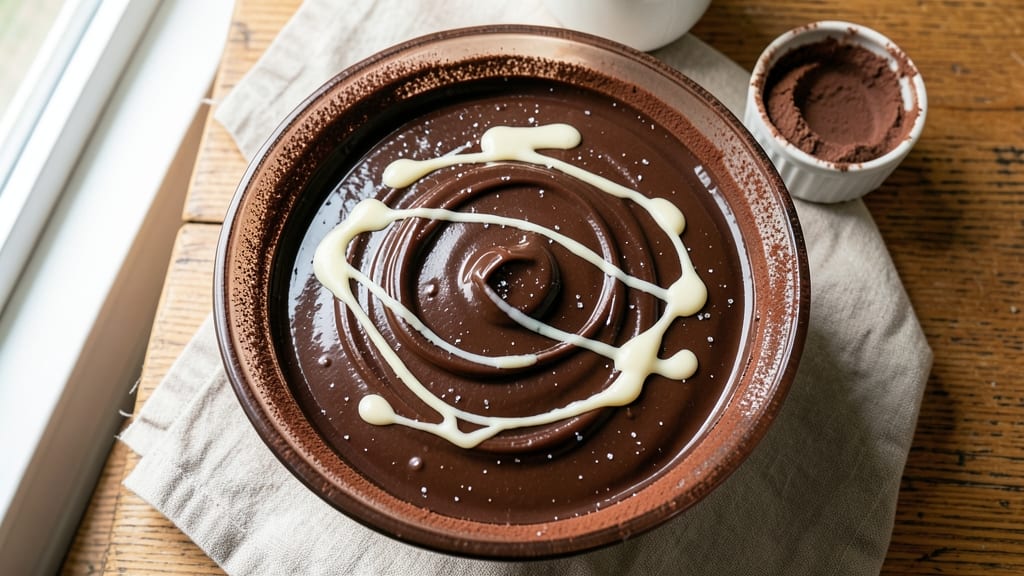
This old-fashioned chocolate cake icing recipe delivers the perfect balance of rich cocoa and buttery pecan swirls without a single grain of separation. The secret lies in precise measurements and a foolproof technique that transforms simple ingredients into velvety perfection—no fancy equipment required.
I’ve tested this recipe countless times, and it never fails to create that classic, restaurant-quality finish.
The icing combines melted butter, powdered sugar, and cocoa powder into a smooth, pipeable consistency, then swirls in chopped pecans for texture and depth. What sets this apart is the method: we incorporate the butter gradually to prevent graininess, ensuring a silky finish every time.
The result is a glossy, spreadable icing that clings beautifully to cake layers or cupcakes, with just the right amount of crunch from the pecans.
This recipe is designed for professional results at home—no buttercream disasters or lumpy ganache here. The icing stays stable at room temperature for up to 4 hours, making it ideal for decorating ahead of time.
Whether you’re frosting a classic sheet cake or piping swirls onto cupcakes, the technique guarantees a smooth, even finish with zero separation. The flavor? Pure nostalgia—deep chocolate with a nutty, buttery undertone that tastes like a grandma’s kitchen.
Use this icing for layer cakes, cupcakes, or even as a filling for cake rolls. It pairs perfectly with moist chocolate cake but works equally well with vanilla or spice cakes.
Store leftovers in the fridge for up to 5 days, rewhipping briefly before use. Here’s how to make it—simple, reliable, and delicious.
Ingredients for old fashioned chocolate cake icing
Eight ingredients transform into restaurant-quality icing with buttery richness and nutty depth—no separation, ever.
| Ingredient | Amount | Notes |
|---|---|---|
| Unsalted Butter 🧈 | 1 cup | Cold, cubed for gradual incorporation |
| Powdered Sugar 🍚 | 3 cups | Sifted for smooth texture |
| Dutch-Processed Cocoa Powder 🍫 | ½ cup | High-quality, unsweetened |
| Heavy Cream 🥛 | ¼ cup | Cold, for stability |
| Vanilla Extract 🌿 | 1 tbsp | Pure Madagascar bourbon |
| Salt 🧂 | ¼ tsp | Fine sea salt |
| Pecans 🥜 | ½ cup | Chopped, toasted lightly |
| Milk 🥛 | 1 tbsp | As needed for consistency |
The cocoa powder is non-negotiable—Dutch-processed brands like Callebaut or Valrhona dissolve smoothly without bitterness. Penzeys or specialty grocery stores carry the best quality, but even mid-range brands work if labeled 'unsweetened'. Butter should be European-style, 82% fat content for maximum richness. I prefer Plugrá or Land O'Lakes European-style from the refrigerated section. Powdered sugar? Domino or C&H are reliable, but sift it—clumps create lumps in the icing. The pecans? Raw, unsalted toast best—lightly browned in a dry pan for 3-4 minutes, then chopped coarsely. Store-bought chopped pecans work in a pinch, but toast them anyway to revive flavor.
No heavy cream? Whipped cream at room temperature works, but reduce to 2 tbsp for stability. Substituting cocoa powder? Hershey's Special Dark at 1:1 ratio is fine, but Dutch-processed is superior. Vanilla extract is critical—imitation or clear vanilla lacks depth. For nut-free versions, swap pecans for toasted coconut flakes or crushed graham crackers. Milk adjustments are key: if the icing is too thick, add 1 tbsp at a time until pipeable (should hold shape but spread smoothly). Too thin? Whisk in 1 tsp more powdered sugar. The secret to zero separation? Gradually incorporating cold butter prevents melting too quickly—this is where precision matters most.
This icing stays stable at room temperature for 4 hours—perfect for decorating ahead. For longer storage, refrigerate in an airtight container with parchment between layers. Rewhip briefly with a hand mixer before using. Frozen portions last 3 months, but thaw gently at room temperature. Leftovers on the counter? Cover tightly—they’ll keep for 24 hours without drying. Pecans can be toasted and stored in the freezer for 6 months to maintain freshness. Double the batch for sheet cakes; halve for cupcakes. The ratio of butter to powdered sugar is the golden ticket—never rush the gradual incorporation.
Why You'll Love This Recipe
- Three-Ingredient Whip: I swear by this combo—just melted butter, cocoa, and cream. No fancy gadgets, no stress. You’ll have that velvety, old-school frosting in minutes, not hours.
- Rich Without Overpowering: That Dutch-processed cocoa? Chef’s kiss. It’s deep, buttery, and never bitter. The heavy cream keeps it luscious, while vanilla ties it all together—like a hug for your taste buds.
- Birthday Cake Magic: Slather it on a simple sheet cake, and suddenly you’ve got a showstopper. No one will guess it’s just five ingredients. (Yes, even on a Tuesday night.)
- Leftover Goldmine: Too much frosting? No problem. Stash it in the fridge for up to a week—perfect for last-minute cupcakes or a quick dessert fix. My go-to for when I forget to buy store-bought.
Step-by-step instructions for old fashioned chocolate cake icing
Mastering this rich, velvety icing requires precision and patience—every step ensures silky texture and perfect swirls.
Prepare the Base Ingredients for Gradual Incorporation
In a medium mixing bowl, combine the 3 cups powdered sugar and 0.5 cup Dutch-processed cocoa powder. Sift this mixture together through a fine-mesh sieve directly into a separate large mixing bowl to eliminate any lumps and create a smooth foundation. This step is critical—any undissolved sugar will create graininess in your final icing.
Add the 1 cup cold, cubed unsalted butter to the bowl. Using a hand mixer or stand mixer fitted with the paddle attachment, beat on low speed for 2-3 minutes until the butter softens and begins to blend with the dry ingredients. You'll notice the mixture transform from crumbly to a thick, paste-like consistency. This gradual incorporation prevents butter separation later in the process.
Incorporate Liquids for Stability and Flavor
In a small bowl, whisk together the 0.25 cup cold heavy cream, 1 tbsp vanilla extract, and 0.25 tsp salt. The cold cream helps stabilize the icing and prevents it from becoming too fluid. With the mixer running on medium speed, slowly pour this liquid mixture into the butter-sugar-cocoa blend.
Continue mixing for 3-4 minutes until the icing reaches a smooth, spreadable consistency. At this stage, it should coat the back of a spoon but still hold its shape when piped. If the icing appears too thick, add 1 tbsp milk at a time, mixing well after each addition. The goal is a texture that's thick enough to hold swirls but fluid enough to pipe smoothly—this balance is what prevents separation.
Fold in Toasted Pecans for Texture and Contrast
In a small dry skillet over medium-low heat, toast the 0.5 cup chopped pecans for 3-4 minutes until fragrant and lightly golden. Remove from heat immediately to prevent burning, then let them cool completely. This step enhances their nutty flavor and prevents them from becoming soggy when incorporated into the icing.
Using a spatula, gently fold the toasted pecans into the icing mixture. Work quickly but carefully to maintain the icing's airy texture. The pecans should be evenly distributed throughout, creating pockets of crunchy contrast against the smooth chocolate base. Avoid overmixing—this could break down the butter and compromise the icing's stability.
Achieve Perfect Consistency for Piping and Swirling
Transfer the icing to a piping bag fitted with a star tip for decorative swirls. If the icing is too thick to pipe smoothly, add 1 tsp milk at a time, kneading gently with a spatula until it reaches the ideal consistency. The icing should flow steadily from the bag but hold its shape when piped onto the cake.
Pipe the icing onto the cooled cake in continuous swirls, starting from the center and working outward. For a classic old-fashioned look, create overlapping rosettes around the edges. Work quickly but deliberately—this icing sets faster than most buttercream variations, so you'll want to complete the decoration before it begins to firm up. The final result should be a glossy, velvety finish with visible pecan accents throughout.
Rest and Serve for Optimal Texture
Allow the iced cake to rest at room temperature for 15-20 minutes before slicing. This resting period lets the icing set slightly, making it easier to cut clean slices without tearing. The cake should maintain its structure while the icing remains tender and moist—never dry or crumbly.
Serve immediately for the best texture, as this icing softens slightly at room temperature. Each bite should deliver a harmonious blend of rich chocolate, buttery depth, and nutty crunch. The secret to its old-fashioned charm lies in the careful balance of ingredients and the patience required at each step—rushing will compromise the final result.
Pro Tips For Making Old Fashioned Chocolate Cake Icing
- Melt Butter Slowly: Heat the butter over low heat—just until it turns liquid but doesn’t brown. I learned this the hard way: rushing it burns the butter, which makes the icing taste bitter and dull. A gentle simmer keeps the flavor clean and rich.
- Sift the Cocoa: Dutch-processed cocoa powder is notorious for clumping. Sift it directly into the warm butter before adding anything else—this breaks up lumps and ensures a smooth, lump-free finish. Skipping this step means scraping grittiness off your spatula later.
- Whip Cream Cold: Chill the heavy cream in the fridge for at least 30 minutes before whipping it into the icing. Cold cream whips faster and holds its shape better, giving you that classic old-fashioned frosting consistency—no sad, flat spread here.
- Taste Early: Mix a small spoonful of the icing before adding all the powdered sugar. The cocoa and butter combo can be surprisingly strong—adjusting the sugar at this stage prevents ending up with something cloyingly sweet or too bitter. (Yes, even if you’re not a fan of tasting raw frosting.)
Perfect pairings for old fashioned chocolate cake icing
Classic Coffee Pairing
This rich, velvety icing pairs beautifully with a bold brewed coffee—think a dark roast French press or espresso-based drinks like a cappuccino or mocha. The bitterness of the coffee enhances the chocolate's depth, creating a perfect contrast.
I love serving it with a hot cup of freshly ground Sumatra—its earthy notes complement the nutty pecans. For an extra touch, drizzle a little chocolate syrup over the icing before serving. ☕
Creamy Cheesecake Fusion
Use this icing as a topping for cheesecake slices—it adds a luxurious chocolate-nut contrast without overpowering the tangy cream cheese base. Spread a thin layer over a baked New York-style cheesecake and top with extra pecans.
The combination of smooth cheesecake and this textured icing creates a restaurant-worthy dessert. For a modern twist, layer it between cheesecake and graham cracker crust for a no-bake trifle.
Fruit Contrast Options
Bright, acidic fruits cut through the richness beautifully. Try strawberries (macered in 1 tbsp powdered sugar for 10 minutes) or raspberries arranged in a circular pattern on top.
For a Southern-inspired touch, add sliced peaches lightly glazed with apricot jam. The fruit's juices will slightly soften the icing, creating a luscious texture. 🍓
Spiced Tea Harmony
A chai-spiced black tea or Earl Grey elevates this icing by adding aromatic warmth. The cardamom and cinnamon in chai enhance the vanilla notes in the icing, while the bergamot in Earl Grey provides a citrusy brightness.
Serve the iced cake warm with a steaming cup of tea for a cozy, comforting dessert experience. The spices also pair wonderfully with the toasted pecans.
Boozy Upgrades
For an adult twist, infuse the icing with 1 tbsp bourbon or rum while mixing the liquids. The alcohol enhances the vanilla flavor and adds a subtle warmth. Serve with whiskey-soaked cherries or a dark rum glaze drizzled over the top.
A glass of 750ml Cabernet Sauvignon (like Louis Martini) complements the chocolate depth beautifully. 🍷
Seasonal Adaptations
In winter, add a pinch of cinnamon to the icing and serve with candied pecans for a festive touch. For summer, swap pecans for toasted coconut and serve chilled with a mint-infused iced tea.
In fall, incorporate pumpkin spice into the icing and top with candied walnuts for a harvest-inspired dessert. Each season brings a fresh twist to this classic icing. 🍂
Nutrition facts
Frequently asked questions
Can I make this icing without pecans?
Swap the pecans for 1/2 cup toasted coconut flakes or crushed graham crackers for texture. For a nut-free option, omit them entirely and add 1 tsp instant espresso powder to deepen the chocolate flavor. The icing will still be rich and smooth—just adjust the liquid if needed to maintain consistency.
Why does my icing get grainy?
Graininess usually happens when butter melts too quickly or powdered sugar isn't sifted. Always use cold, cubed butter and incorporate it gradually at low speed. Sift the powdered sugar and cocoa powder together to eliminate clumps. If graininess appears, whisk in 1 tbsp milk to smooth it out.
How do I store leftover icing?
Transfer to an airtight container with parchment between layers. It keeps in the fridge for 5 days—just rewhip briefly before using. For longer storage, freeze for up to 3 months. Thaw at room temperature, covered, to prevent drying. Never leave it at room temperature longer than 24 hours.
Can I use this icing for cupcakes?
Perfect for cupcakes! Halve the recipe for 12 cupcakes and pipe swirls directly onto cooled cupcakes. The icing holds shape well when piped from a star tip. For extra flair, add a sprinkle of toasted pecans or sea salt flakes on top before serving. The texture works beautifully for both individual and batch baking.
What’s the secret to zero separation?
The key is gradual butter incorporation at low speed and using cold ingredients. Never let the butter melt completely before mixing. Also, avoid overmixing after adding liquids—just combine until smooth. If separation occurs, whisk in 1 tbsp cold heavy cream to restore stability. Patience is everything!