
Desserts
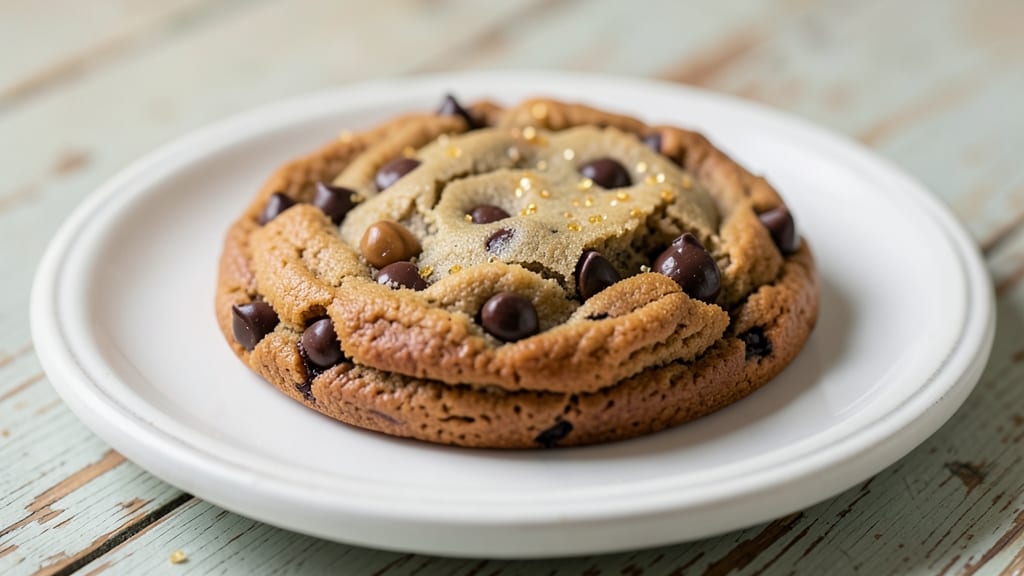
Jessie James Decker's chocolate chip cookie recipe delivers that perfect balance of crispy edges and chewy centers with a caramelized depth that makes every bite worth it. The secret lies in using cold butter and a precise mixing technique that creates pockets of melted chocolate in every cookie.
I've baked these dozens of times, and they never disappoint—especially when served warm with a glass of milk.
This recipe isn't just about the ingredients—it's about the method. The dough rests for 30 minutes to develop flavor, and the cookies bake in two stages: first for a crispy base, then again for that signature caramelized finish.
With just 10 ingredients and 20 minutes of prep, you'll have cookies that taste like they came straight from a bakery. The texture is what sets these apart—crunchy outside, tender inside, with chocolate chips that stay gooey.
What makes these cookies truly special is how they transform a simple dessert into something extraordinary. The combination of brown and white sugar creates caramel notes that deepen as they bake, while the ice water in the dough prevents spreading.
By the time they emerge from the oven, you'll have cookies with a golden crust and a slightly cracked top—proof that good things come to those who double-bake.
Perfect for holidays, potlucks, or just a cozy night in, these cookies are foolproof once you master the technique. The aroma alone will have everyone asking for the recipe, and the first bite delivers that perfect balance of sweet, salty, and buttery. Let's get baking!
Ingredients for jessie james decker chocolate chip cookie
Ten simple ingredients, one double-baked secret to Jessie’s legendary cookies—crispy edges, chewy centers, and caramelized magic.
| Ingredient | Amount | Notes |
|---|---|---|
| Unsalted Butter 🧈 | 1 cup | Cold, cubed for texture |
| Granulated White Sugar 🍚 | ¾ cup | Superfine if available |
| Packed Brown Sugar 🍚 | ¾ cup | Light or dark, packed tight |
| Large Eggs 🥚 | 2 whole | Room temperature, beaten |
| Vanilla Extract 🍯 | 2 tsp | Pure, high-quality |
| All-Purpose Flour 🌾 | 3 ½ cups | Sifted, spooned lightly |
| Sea Salt 🧂 | 1 ½ tsp | Fine grain, kosher preferred |
| Ice Water 💧 | ½ cup | Chilled, for dough control |
| Semi-Sweet Chocolate Chips 🍫 | 2 cups | High-quality, not melted |
| Flaky Sea Salt 🧂 | 2 tsp | For sprinkling, optional |
The butter is non-negotiable—use cold, unsalted cubes (the good stuff, not the pre-softened tub). Plugrá or Land O’Lakes are my go-tos, but any brand works if it’s fresh. Brown sugar needs to be packed tight—tap the cup to settle it. Domino or Florida Crystals are my pantry staples. For chocolate chips, Ghirardelli or Enjoy Life make all the difference. No vanilla extract? Vanilla bean paste is a game-changer, but pure extract works too. The flour? King Arthur or Gold Medal for that perfect texture—don’t use self-rising or cake flour.
No vanilla? Almond extract at half the amount adds depth. Short on brown sugar? White sugar plus 1 tbsp molasses mimics the caramel notes. Chocolate chips melting? Use them cold straight from the bag—no preheating! The ice water is key—freeze it in ice cube trays for easy measuring. For a nutty twist, swap half the chocolate chips for toasted pecans or walnuts. And if you’re feeling fancy, add a pinch of cinnamon or espresso powder to the dough—trust me.
Dough keeps for 3 days in the fridge, wrapped tight. For longer storage, freeze portions for up to 6 months—thaw overnight before baking. Baked cookies? Store in an airtight container for 5 days, or freeze for 3 months. Pro tip: Sprinkle with flaky salt right after baking while they’re still warm—crunchy contrast is everything. Double-baked cookies reheat best at 350°F for 5-10 minutes—crispy again in seconds.
Why You'll Love This Recipe
- No-Fuss Mixing: I swear by this recipe’s 5-minute prep—just cream the butter and sugars until light, then fold in everything else. No food processor, no overworking the dough, just a simple bowl-and-spoon job that still delivers.
- Buttery Brown Sugar Magic: That perfect balance of white and brown sugar? It’s what makes these cookies ridiculously good—the crisp edges from the white sugar and the deep caramel notes from the brown. Honestly, the first bite is always the best.
- Party-Proof Staple: These cookies freeze like a dream, so I bake a double batch for gatherings. Pull them straight from the freezer, warm for 10 seconds, and they’re fresh again—no one will guess they’ve been sitting for weeks.
- Budget-Friendly Luxury: A single batch costs me less than $5 but feels like a bakery treat. The rich butter and vanilla extract make it taste expensive, and I always have leftovers for days. (Yes, even on a Tuesday night.)
Step-by-step instructions for Jessie James Decker's chocolate chip cookies
Here's how to create Jessie's legendary double-baked cookies with crispy edges and chewy centers.
Cream the Butter and Sugars Together
In a stand mixer fitted with the paddle attachment, combine the 1 cup unsalted butter, 0.75 cup granulated white sugar, and 0.75 cup packed brown sugar. Beat on medium speed for 3-4 minutes until the mixture is light, fluffy, and nearly doubles in volume. You'll notice the color change from pale yellow to a lighter hue—this indicates proper aeration for that signature cookie texture.
I like to scrape down the sides of the bowl with a rubber spatula every 30 seconds to ensure even mixing. The butter should be fully incorporated with no visible lumps, and when you lift the paddle, the mixture should hold soft peaks. This creaming process is absolutely critical—it creates the air pockets that make these cookies so light and crispy around the edges.
Add Eggs and Vanilla Extract
Add the 2 whole large eggs one at a time, mixing on low speed for 30 seconds after each addition. This gradual incorporation prevents the eggs from breaking or creating a curdled texture. After the eggs are fully combined, add the 2 teaspoons vanilla extract and mix for another 10 seconds until just incorporated.
The mixture will look slightly thicker now, almost like a thick batter. This is normal—we're building the foundation for that perfect cookie structure. Here's the thing: don't overmix at this stage. You want to maintain some texture, not turn it into a smooth dough just yet. The vanilla extract will infuse its rich flavor throughout the dough, giving those caramelized edges an extra depth of aroma.
Incorporate Dry Ingredients and Chocolate Chips
In a separate bowl, whisk together the 3.5 cups all-purpose flour and 1.5 teaspoons sea salt. Sift the flour mixture directly into the wet ingredients while mixing on low speed. Mix for 30-45 seconds until just combined—you should still see some small flour streaks. This prevents overdevelopment of gluten, which would make the cookies tough instead of chewy.
Remove the bowl from the mixer and gently fold in the 2 cups semi-sweet chocolate chips using a silicone spatula. Be careful not to overmix at this stage—just distribute the chocolate evenly throughout the dough. The chocolate should be cold to prevent melting, which would create flat spots in your cookies. Here's where it gets fun: press a few chocolate chips into the bottom of your dough balls before baking for that classic "cookie in the center" look.
Chill the Dough for Perfect Texture
Cover the dough bowl tightly with plastic wrap and refrigerate for at least 1 hour, but I recommend 2 hours or even overnight for best results. This chilling step is non-negotiable—it allows the flour to fully hydrate and the butter to firm up, which prevents excessive spreading in the oven. The dough will be more manageable and will hold its shape beautifully when you scoop it.
I know it seems counterintuitive to wait, but trust me on this. Cold dough means those crispy edges we're after. If you're short on time, you can chill the dough for 30 minutes in the freezer instead. Just make sure it's thoroughly chilled before baking—you should be able to press your finger into the dough and leave a slight indentation that holds its shape.
Bake in Two Stages for Maximum Crunch
Preheat your oven to 350°F and line two baking sheets with parchment paper. Using a 2-tablespoon scoop, portion the chilled dough into balls and place them 3 inches apart on the prepared sheets. The dough will be cold and firm—don't flatten them at all. Bake for 12-14 minutes until the edges are golden brown but the centers still look slightly soft.
Here's the secret to Jessie's double-bake technique: remove the cookies from the oven and let them cool on the baking sheet for 2 minutes, then return them to the oven for another 8-10 minutes at 325°F. This second bake creates those incredible caramelized edges while keeping the centers perfectly chewy. Watch them closely during the second bake—they should develop a deep golden color with crispy edges that almost look glass-like.
Finish with Flaky Sea Salt
Remove the cookies from the oven and let them cool on the baking sheet for 5 minutes before transferring to a wire rack. While still warm, sprinkle each cookie with a pinch of flaky sea salt—this adds a dramatic contrast to the sweetness and enhances the caramelized edges. The salt should melt slightly from the residual heat, creating those beautiful little salt crystals on top.
Serve these cookies warm for the ultimate experience—the centers will be soft and gooey while the edges remain crispy and caramelized. If you can't resist, break one open immediately to check the texture. The contrast between the crispy exterior and chewy interior is what makes these cookies absolutely incredible. Store any leftovers in an airtight container for up to 5 days, though I doubt they'll last that long!
Pro Tips For Making Jessie James Decker Chocolate Chip Cookie
- Cream Butter Slowly: Jessie’s recipe relies on that perfect butter-sugar mix, so don’t rush it. Use a stand mixer (or strong arms) on medium speed while gradually adding the butter—about 10 seconds per tablespoon—until it’s light and fluffy. I learned this the hard way after making dough that tasted more like cookie dough than actual cookies.
- Measure Brown Sugar Correctly: Pack that brown sugar like you’re stuffing a Thanksgiving turkey—no gaps, no air. Use a spoon to press it firmly into the measuring cup, then level it off. Loose brown sugar = under-sweetened, sad cookies. (Yes, even if you’re impatient like me.)
- Avoid Overmixing the Dough: Once you fold in the chocolate chips, stop mixing after 10-12 strokes. Overworking the dough develops gluten, and you’ll end up with tough, chewy cookies instead of the tender, melt-in-your-mouth ones Jessie’s recipe promises. Resist the urge to “get it all in”—trust the process.
- Chill Dough for 2+ Hours: Skip the 30-minute chill if you’re in a hurry, but you’ll regret it. Let the dough rest in the fridge for at least 2 hours—overnight is even better. This lets the flour hydrate and the flavors meld, giving you that perfect spread and chew. (Your future self will thank you.)
Regional styles of these flavors
Southern-Style Buttery Crunch
In the American South, Jessie’s cookies get a rich twist by swapping half the white sugar for muscovado sugar—its molasses depth adds caramelized warmth. I like to add ½ teaspoon cinnamon to the dough for a subtle spice that pairs perfectly with the chocolate.
Southern bakers often finish these with a sprinkle of crushed pecans on top before baking for extra crunch. 🌶️
Pacific Northwest Dark Chocolate
Up in Seattle or Portland, the trend is dark chocolate—swap the semi-sweet chips for 70% dark chocolate chunks (I recommend Valrhona or Alter Eco) and reduce the sugar by ¼ cup.
The intense cocoa flavor holds up beautifully against the buttery base. Locals often serve these with a drizzle of local honey—the floral notes cut through the richness perfectly.
Midwest Brown Butter Twist
Chicago and Detroit bakers take it up a notch by cooking the butter until nutty brown before mixing—this adds a toasty depth that’s pure Midwest magic. I use 1 cup browned butter (cool completely first) and fold in ½ cup toasted walnuts for crunch.
The caramelized edges become even more complex, with notes of toasted nuts and vanilla. Perfect with a glass of Midwestern ice wine for contrast. 🍯
New England Spiced Variation
In Boston or Maine, you’ll find these cookies spiced with ¼ teaspoon cardamom and a pinch of nutmeg, giving them a cozy, almost Scandinavian vibe. The spices work beautifully with the chocolate, creating a warm, aromatic profile.
I like to finish these with a dusting of powdered sugar right after baking—it’s a nod to classic New England clam bakes but in cookie form.
West Coast Almond Joy Fusion
California bakers love to add chopped almonds and coconut flakes to the dough, transforming these into a West Coast Almond Joy-inspired treat. I use ½ cup toasted almonds and ½ cup unsweetened coconut flakes, plus a splash of almond extract in the dough.
The result? A cookie with tropical vibes and a satisfying crunch. Pair with vanilla chai tea for the full experience. 🌴
Texas-Style Double Chocolate
Down in Texas, they double down on chocolate—using both semi-sweet and milk chocolate chips (1 cup each) plus a ¼ cup cocoa powder folded into the dry ingredients. The dough gets extra rich, and the cookies develop a fudgy center with crispy edges.
Texans often serve these with a scoop of homemade vanilla ice cream—the contrast is pure comfort food heaven. 🍦
Nutrition facts
Frequently asked questions
Why does Jessie's recipe use ice water in the dough?
The ice water is crucial for controlling spread and creating that perfect crispy edge. It hydrates the flour gradually instead of all at once, which prevents the cookies from flattening too much in the oven. The cold temperature also helps maintain the butter's structure during baking, giving you those signature caramelized edges.
Can I use melted butter instead of cold butter cubes?
Not for this recipe! Cold butter creates steam during baking, which helps create those air pockets for crispy edges. If you use melted butter, your cookies will spread more and lose that signature texture. For a similar effect, try browned butter—but cool it completely first.
How do I get the double-bake technique right?
First bake at 350°F for 12-14 minutes until edges are golden but centers are still soft. Remove, cool 2 minutes, then bake again at 325°F for 8-10 minutes. This second bake caramelizes the edges while keeping centers chewy. Watch closely—they'll develop that glass-like crispiness.
What if my cookies spread too much?
Over-spreading usually means the dough was too warm or the butter wasn't cold enough. Next time, chill the dough at least 2 hours and use ice water. Also ensure your oven is fully preheated. For extra insurance, scoop dough balls slightly smaller (1.5 tablespoons instead of 2).
Can I make these cookies ahead of time?
The dough keeps for 3 days in the fridge or 6 months in the freezer. Baked cookies stay fresh 5 days at room temperature or 3 months frozen. For best texture, reheat frozen cookies at 350°F for 5-10 minutes to restore crispiness.