
Desserts
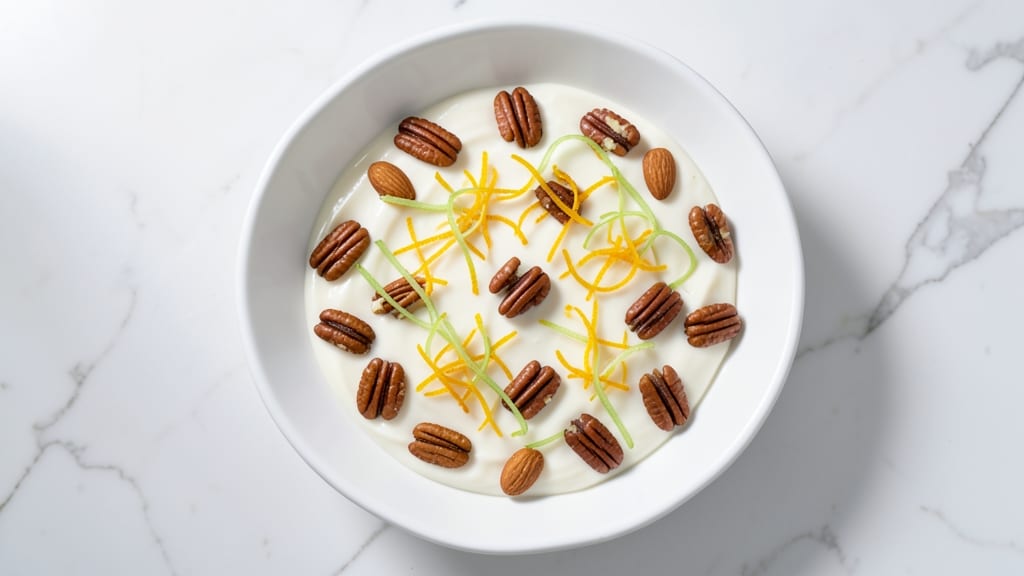
Ina Garten's white chocolate bark recipe transforms simple ingredients into a luxurious dessert that's as beautiful as it is delicious. The secret lies in perfectly tempering the chocolate for that signature snap, then layering it with citrus zest and toasted nuts for a sophisticated crunch.
I've tested this recipe countless times, and the results are always restaurant-quality—velvety, rich, and impossible to resist.
What makes this recipe special is how effortlessly it combines technique with simplicity. You'll melt the white chocolate gently to preserve its smooth texture, then mix in your choice of toppings while it's still warm and pliable.
The citrus zest adds a bright, unexpected twist that cuts through the richness, while toasted nuts provide the perfect contrast in texture. It's the kind of dessert that feels indulgent but requires minimal effort.
By the time you're done, you'll have a slab of white chocolate bark with a luxurious velvet crunch—easy to break into pieces and perfect for gifting or serving at parties.
The combination of citrus zest and toasted nuts creates a flavor profile that's both elegant and approachable, making it suitable for any occasion. This recipe delivers professional results with just a few simple steps.
Whether you're preparing for a holiday gathering or simply craving something sweet, this white chocolate bark is sure to impress. The key is patience during the setting process, which ensures clean breaks and a satisfying snap.
Ready to create a dessert that looks as good as it tastes? Let's get started with this foolproof method.
Ingredients for ina garten white chocolate bark
Luxurious white chocolate bark transforms basic pantry staples into a restaurant-worthy dessert with just a few precise ingredients.
| Ingredient | Amount | Notes |
|---|---|---|
| High-Quality White Chocolate Bars 🍫 | 12 oz | Valrhona or Guittard preferred |
| Unsalted Butter 🧈 | 1 tbsp | European-style for creaminess |
| Orange Zest 🍊 | 1 tbsp | Freshly grated organic preferred |
| Lemon Zest 🍋 | 1 tbsp | Bright, vibrant color |
| Toasted Pecans 🥜 | ½ cup | Lightly browned, chopped |
| Toasted Almonds 🌰 | ½ cup | Sliced, skin-on preferred |
| Flaky Sea Salt 🧂 | 1 tsp | Diamond Crystal preferred |
| Dark Chocolate Chips 🍫 | ¼ cup | 70% cocoa for contrast |
| Coconut Flakes 🥥 | ¼ cup | Toasted for enhanced flavor |
| Cocoa Powder 🍫 | 1 tbsp | Dutch-processed for smoothness |
| Vanilla Extract 🌸 | ½ tsp | Pure Madagascar preferred |
The quality of your white chocolate is non-negotiable. Valrhona or Guittard bars are industry standards for their velvety texture and lack of graininess—avoid anything with more than 10% cocoa butter content, as it can create a waxy finish. For the citrus zest, organic produce from Whole Foods delivers the brightest flavor, but any fresh zest works if you're careful to remove only the colored portion. The nuts should be toasted to a light brown color—Costco's bulk section is perfect for this, as you can toast them in batches. Pre-toasted nuts from the store lack that fresh-from-the-oven crunch, so if you're short on time, toast your own in 5-minute increments at 350°F, stirring frequently.
No orange zest? Lime zest at half the amount provides a similar brightness, though the flavor profile shifts slightly. Substituting almonds for pecans? Use macadamia nuts instead—they're closer in texture and richness. For the sea salt, Maldon flakes are ideal, but Diamond Crystal is a more accessible alternative. The dark chocolate chips can be omitted entirely if you prefer a purely white chocolate bark, but they add a sophisticated contrast. If you're making this ahead, store the zest and nuts separately in airtight containers—citrus zest loses potency quickly, while nuts stay fresh for months. The cocoa powder should be sifted before mixing to avoid lumps in the final bark.
This bark requires patience to set properly. Once layered, allow it to cool at room temperature for at least 2 hours before cutting—rushing this step results in a mushy texture. Store in an airtight container between parchment-lined layers to prevent sticking, and keep it in a cool, dark place for up to 2 weeks. For gifting, wrap individual slabs in clear cellophane and tie with twine. The bark freezes beautifully for up to 3 months—simply thaw at room temperature before serving. Each piece should have that signature snap, which is why the initial tempering of the chocolate is critical. If you're making this for a party, double the recipe—the crowd will disappear it in minutes.
Why You'll Love This Recipe
- No-Mess Magic: I swear by this—just melt, spread, sprinkle, and chill. No fancy equipment, no stressing over tempering chocolate like I used to. The butter and citrus zest blend in seconds, and those toasted pecans? They scatter like confetti.
- Citrus Kiss: That bright orange and lemon zest cuts through the sweetness in the best way. It’s like a little burst of sunshine in every bite—creamy white chocolate with a zing that makes it feel fancy, even though it’s basically foolproof.
- Gift-Worthy Always: Between us, this is my go-to for holidays, teacher gifts, or just because. Wrap it in cellophane with a ribbon, and suddenly you’ve got a present that costs pennies but looks like you slaved over it. (Spoiler: I did not.)
- Zero Waste: The leftovers? They’re the best part. I keep a stash in the freezer for lazy mornings or when I need a quick pick-me-up. And honestly, the pecans make it feel indulgent without breaking the bank—just toast a handful and call it a day.
Step-by-step instructions for ina Garten's white chocolate bark recipe
This method delivers a perfectly balanced white chocolate bark with crisp textures and vibrant citrus notes.
Melt the White Chocolate and Butter
Chop the 12 oz high-quality white chocolate bars into small, even pieces using a sharp knife. This ensures even melting and prevents any unmelted chunks in the final bark. Place the chopped chocolate in a heatproof bowl set over a pot of simmering water, making sure the bottom of the bowl doesn't touch the water.
Add the 1 tbsp unsalted butter to the chopped chocolate. Stir occasionally with a silicone spatula as the chocolate melts, about 5-7 minutes. The mixture should become smooth and glossy, with a temperature around 110°F. Remove from heat once fully melted and let it cool slightly to 105°F—this prevents premature crystallization when adding the zest.
Incorporate Citrus Zest and Vanilla
While the chocolate cools, combine the 1 tbsp orange zest and 1 tbsp lemon zest in a small bowl. This brightens the flavor profile and adds a beautiful visual contrast. Once the melted chocolate reaches 105°F, whisk in the citrus zest and 0.5 tsp vanilla extract until fully incorporated.
Here's the thing—adding zest too early can cause it to sink or burn. By waiting until the chocolate cools slightly, you preserve the zest's vibrant color and prevent bitterness. The mixture should now have a pale, creamy consistency with visible citrus flecks.
Fold in Nuts, Cocoa, and Dark Chocolate
Sprinkle the 0.5 cup toasted pecans and 0.5 cup toasted almonds evenly over a parchment-lined baking sheet. Use a fork to gently press half of them into the parchment, creating a textured base. Pour about half of the melted chocolate mixture over the nuts, spreading it thinly with the back of a spoon.
While the first layer sets slightly (about 1 minute), sprinkle the 1 tbsp cocoa powder and 0.25 cup dark chocolate chips over the surface. Add the remaining nuts and the rest of the chocolate mixture, spreading it evenly. The dark chocolate chips will create beautiful contrast against the white base, while the cocoa powder adds depth to the flavor.
Add Coconut and Salt for Final Crunch
Lightly dust the back of a spoon with the remaining 0.25 cup coconut flakes and sprinkle them evenly over the chocolate. Gently press them into the surface so they adhere. Finally, sprinkle the 1 tsp flaky sea salt in small clusters, focusing on the edges and between the nuts for maximum flavor impact.
Work quickly but carefully—this is where the texture magic happens. The coconut adds a delicate toasty note, while the salt enhances every other flavor. Let the bark rest for 10 minutes at room temperature to allow the layers to set before slicing.
Chill and Slice for Perfect Bark
Transfer the baking sheet to the refrigerator and chill for 2-3 hours until completely firm. This step is crucial—rushing it leads to messy slices and uneven textures. When ready, remove the bark from the parchment and slice into 1-inch squares using a sharp knife.
The finished bark should have crisp nuts, creamy white chocolate, and pockets of rich dark chocolate. Store in an airtight container at room temperature for up to 1 week, or freeze for up to 2 months. Each piece should offer a perfect balance of textures and flavors—sweet, nutty, citrusy, and slightly salty.
Pro Tips For Making Ina Garten White Chocolate Bark
- Temper the Chocolate: Melt the white chocolate and butter together slowly over a double boiler—never direct heat—until it’s smooth and just under 110°F. If you rush it, you’ll end up with streaky, grainy bark that looks like it was made by a beginner (been there). Let the mixture sit for 2 minutes after removing from heat to stabilize before adding zest or pecans.
- Toast Pecans Dark: Cook the pecans in a dry skillet over medium-high heat until they’re not just golden but deep amber—about 5-7 minutes, stirring often. Stop when they smell nutty and toasty, not burnt. Cold pecans won’t add the same crunch, and under-toasted ones taste bland. (Yes, this means watching them like a hawk.)
- Zest Fresh, Use Fast: Grate the orange and lemon zest right before mixing and sift out any bitter pith—it’ll turn your bark into a mouthful of soap if you leave it in. A microplane works best, and don’t skip this step: pre-grated zest loses flavor fast and often hides unwanted bits.
- Chill in Stages: Spread the bark thin (¼-inch thick) on parchment, then pop it in the freezer for 10 minutes before transferring to the fridge. This prevents cracking when it fully sets—thick layers or room-temp chilling will leave you with a sad, uneven mess. (I learned this after breaking a batch into shards.)
Wine and beer pairings for this recipe
Citrus-Infused Whites
White chocolate bark pairs beautifully with crisp, aromatic whites that complement its citrus notes. I always reach for a Chardonnay from Burgundy—specifically a Meursault or Pommard—because its buttery texture and subtle oak enhance the vanilla and citrus flavors in the bark.
The acidity in these wines cuts through the richness, making each bite feel refreshing. 🍷
Light-Bodied Reds
For a red wine option, a Pinot Noir from Oregon or New Zealand is perfect. The bright acidity and red fruit notes in these wines mirror the citrus zest and dark chocolate chips in the bark.
I prefer a Willamette Valley Pinot Noir—it’s light enough to not overpower the delicate white chocolate while adding a sophisticated depth. Serve slightly chilled for an even better contrast.
Sparkling Wines
If you're serving this bark at a celebration, a Prosecco or Cava adds a festive touch. The effervescence cleanses the palate between bites, highlighting the citrus and nutty layers.
I love La Marca Prosecco for its crisp apple and pear notes, which pair wonderfully with the lemon zest. Keep it well-chilled—around 45°F—to maintain its lively bubbles.
Beer Pairings
A Belgian Witbier like Hoegaarden or Stella Artois is my go-to beer pairing. The coriander and orange peel notes in these beers echo the citrus zest in the bark, creating a harmonious flavor bridge.
Serve the beer ice-cold to balance the warm, creamy texture of the white chocolate. For a stronger option, a honey ale from a craft brewery adds a subtle sweetness that complements the coconut flakes.
Coffee and Tea
For a non-alcoholic pairing, a light roast coffee with a hint of vanilla syrup enhances the bark’s flavors. The bitterness of the coffee contrasts beautifully with the sweet white chocolate, while the vanilla ties into the extract used in the recipe.
Alternatively, a jasmine green tea with a splash of honey adds an elegant, floral note that pairs surprisingly well with the citrus and nuts. 💫
Nutrition facts
Frequently asked questions
Can I use store-bought white chocolate chips instead of bars?
While you can substitute white chocolate chips, they may contain additives that affect texture. For the smoothest, most professional results, use high-quality white chocolate bars like Valrhona or Guittard. If you must use chips, melt them gently in a double boiler to avoid burning. The bark will still taste delicious but may lack the luxurious finish of bar chocolate.
How do I prevent my white chocolate bark from getting grainy?
Graininess happens when chocolate overheats or contains too much cocoa butter. Always melt chocolate gently over simmering water (never boiling) and keep temperatures below 110°F. Use high-quality chocolate with minimal additives, and avoid stirring too vigorously once melted. If it starts to seize, add 1 tsp corn syrup or lemon juice to restore smoothness.
What's the best way to store leftover white chocolate bark?
Store in an airtight container between layers of parchment paper to prevent sticking. Keep it in a cool, dark place for up to 1 week, or freeze for up to 2 months. For gifting, wrap individual pieces in clear cellophane with a ribbon. Never store it in the fridge—condensation will make the chocolate sweaty and dull the flavors.
Can I make this bark without nuts for a nut-free version?
Replace nuts with toasted coconut flakes, crushed pretzels, or dried cranberries for crunch. For texture contrast, try adding mini marshmallows or crushed graham crackers. The key is maintaining a mix of textures—just adjust the quantities to keep the same visual appeal. The citrus and salt will still shine through beautifully.
Why did my bark turn out too soft instead of snappy?
Under-chilling is the most common cause. Always refrigerate for at least 2-3 hours until completely firm. If your kitchen is warm, extend chilling time. Another fix: Add 1 extra tbsp cocoa powder to the mixture before setting—it helps stabilize the texture. For next time, use a thinner layer (about 1/4-inch thick) to ensure even cooling.