
Desserts
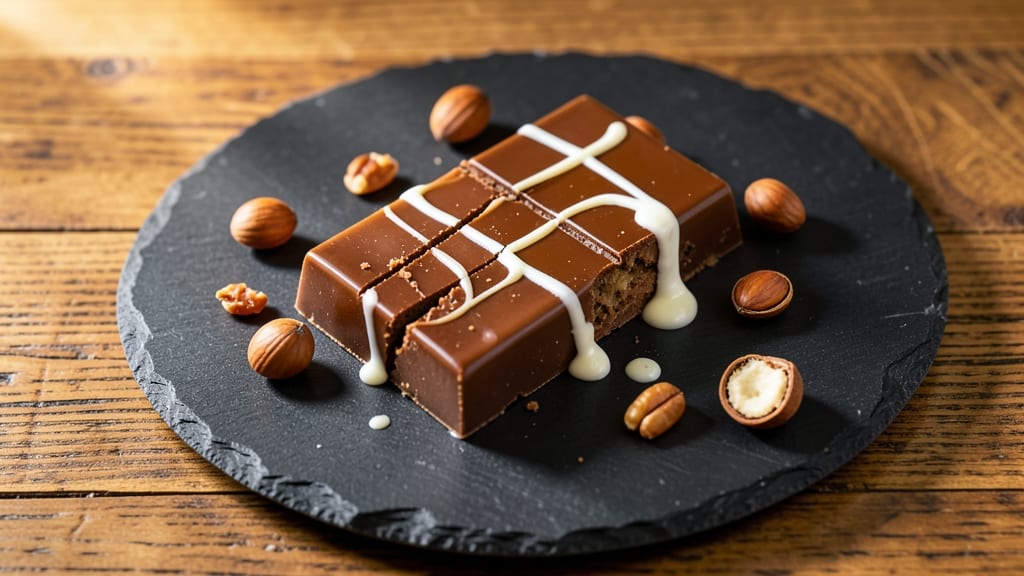
Creating authentic gianduja chocolate means mastering the perfect balance of rich dark chocolate and toasted hazelnuts—a technique rooted in Piedmontese tradition.
The process begins with carefully roasting hazelnuts until their skins crack naturally, then grinding them into a velvety paste that infuses into melted chocolate for a nutty depth that elevates any dessert.
This isn’t just a filling; it’s the heart of Italian confections like torrone and truffles, and I’ve refined the method to ensure smooth, professional results every time.
The key to success lies in precise tempering of the chocolate and proper hazelnut preparation—neither step can be rushed. You’ll need high-quality dark chocolate (at least 60% cocoa) and fresh, properly roasted hazelnuts to achieve that signature silky texture and complex flavor profile.
This recipe delivers both traditional authenticity and modern adaptability, whether you’re making it for classic Italian pastries or contemporary chocolate creations.
By the end, you’ll have a luscious gianduja ganache that’s rich yet balanced, with hazelnut flavors shining through without overpowering the chocolate. The process is methodical but rewarding, and the results—whether used in truffles, cakes, or spread directly—are always impressive. Once you try this, store-bought gianduja will never compare.
This recipe also includes storage tips to maintain freshness and variations for adjusting texture (smooth or chunky) to suit your project. Let’s get started on creating something truly special.
Ingredients for gianduja chocolate
Four essential ingredients transform into velvety gianduja ganache with authentic Piedmontese depth.
| Ingredient | Amount | Notes |
|---|---|---|
| Dark Chocolate (60% Cocoa or Higher) 🍫 | 8 oz | High-quality, finely chopped |
| Raw Hazelnuts (In Shell) 🌰 | 1 ½ cups | Italian or European preferred |
| Unsalted Butter 🧈 | ½ cup | European-style preferred |
| Heavy Cream 🥛 | ½ cup | Whole milk, cold |
| Granulated Sugar 🍚 | ¼ cup | Fine grain preferred |
| Vanilla Extract 🌿 | 1 tsp | Pure Madagascar preferred |
| Sea Salt 🧂 | ¼ tsp | Fine grain, flaky preferred |
| Extra-Virgin Olive Oil 🫒 | 1 tbsp | For hazelnut roasting |
The hazelnuts are the foundation—Italian or European varieties have the finest flavor and proper cracking skins. Purchase them in shell from specialty grocers like Eataly or Whole Foods for optimal quality. Roast them until skins crack naturally, then grind into a fine paste. The dark chocolate must be at least 60% cocoa—Valrhona or Callebaut brands deliver professional results. Avoid pre-ground chocolate; chop it yourself for smoother texture. Butter and cream should be European-style for richer flavor, though American brands work in a pinch.
No hazelnuts? Toasted almonds or walnuts can substitute, though flavor will differ. For chocolate alternatives, 70% cocoa or higher intensifies the nutty notes. The olive oil is crucial for roasting—extra-virgin prevents burning. If you lack vanilla, vanilla bean paste adds depth. For a smoother finish, strain the ganache through a fine-mesh sieve. Prefer chunky texture? Reserve some chopped hazelnuts to fold in at the end. The sugar balances bitterness, but omit if using sweeter chocolate.
Store the ganache in an airtight container between uses, refrigerated for up to 2 weeks or frozen for 3 months. For best results, bring to room temperature before using. This ganache is ideal for truffles, cake fillings, or spreading—its versatility makes it a pantry staple. Portion into small jars for easy access during baking projects. When reheating, use a double boiler to maintain smoothness.
Why You'll Love This Recipe
- Five-Ingredient Magic: I swear by this combo—dark chocolate, toasted hazelnuts, butter, cream, and sugar. That’s it. No weird substitutions, no hunting for obscure spices. Just melt, mix, and pour. My lazy Sundays thank me every time.
- Rich & Nutty Crunch: The hazelnuts aren’t just tossed in—they’re roasted until golden and ground fine, blending right into the chocolate for that gianduja texture. One bite and you’ll taste why Italians pair them like this: buttery, deep, and just sweet enough to make your taste buds sigh.
- Holiday Hack Ready: Between us, this is my go-to for last-minute gifts or dinner party desserts. Shape it into truffles, drizzle it over fruit, or just eat it straight from the bowl. (Yes, even on a Tuesday night.) The batch keeps for weeks in the fridge, so you’re always covered.
- Budget Luxury: Here’s what sold me—this costs a fraction of store-bought gianduja but tastes way better. Dark chocolate and hazelnuts are my pantry staples, and the butter/cream combo makes it feel indulgent without breaking the bank. Not the prettiest, but the taste makes up for it.
Step-by-step instructions for gianduja chocolate recipe
Mastering gianduja requires precision in both technique and timing to achieve that signature nutty richness.
Toast and Skin the Hazelnuts
Preheat your oven to 350°F. Spread the 1.5 cups raw hazelnuts (in shell) on a baking sheet and toast for 12-15 minutes until the shells begin to crack open and release their aroma. This process caramelizes natural sugars and deepens the nutty flavor.
Immediately transfer the hazelnuts to a clean kitchen towel and rub vigorously to remove the skins. The skins should slide off easily if toasted properly. Let them cool completely before proceeding—warm hazelnuts will release moisture when ground, making the process messy. If any skins remain, repeat the rubbing process until fully removed.
Create the Hazelnut Paste
In a food processor, pulse the cooled hazelnuts until they form a coarse meal. With the processor running, slowly drizzle in the 1 tablespoon extra-virgin olive oil to help bind the mixture. Process for 3-4 minutes until the hazelnuts transform into a smooth, velvety paste with a texture similar to peanut butter.
Scrape down the sides of the processor as needed to ensure even blending. The paste should be completely free of grit—this is crucial for achieving a silky gianduja. If the mixture feels too dry, add 1 teaspoon heavy cream to help emulsify it. Set aside the hazelnut paste while you prepare the chocolate base.
Melt Chocolate and Butter
In a heatproof bowl set over a saucepan of simmering water (double boiler method), combine the 8 oz dark chocolate (60% cocoa or higher) and 0.5 cup unsalted butter. Stir gently until both are completely melted and smooth, then remove from heat. The mixture should reach a temperature of 110-115°F—this ensures proper texture without overheating the delicate chocolate.
If you don't have a thermometer, test the temperature by dropping a small amount of chocolate onto a chilled plate. It should spread smoothly but not be runny. Allow the mixture to cool slightly to 100°F before combining with the hazelnut paste—this prevents the chocolate from seizing when mixed with the nutty elements.
Combine and Temper the Ganache
With the chocolate mixture at 100°F, gradually whisk in the hazelnut paste until fully incorporated. The ganache should thicken slightly but remain pourable. In a separate bowl, gently heat the 0.5 cup heavy cream until it reaches 180°F—this creates steam that helps stabilize the ganache's texture.
Slowly pour the hot cream into the chocolate mixture while whisking continuously. The ganache will initially separate, but keep whisking until it comes together into a glossy, thick sauce. Add the 0.25 cup granulated sugar, 1 teaspoon vanilla extract, and 0.25 teaspoon sea salt, whisking until fully dissolved. The ganache should now have a smooth, velvety consistency with a rich hazelnut aroma.
Rest and Use the Gianduja
Transfer the ganache to a clean bowl and cover the surface with plastic wrap, pressing it directly onto the ganache to prevent a skin from forming. Let it rest at room temperature for 1-2 hours until it reaches a spreadable but firm consistency—this allows the flavors to meld completely.
For best results, use the gianduja within 24 hours for optimal texture and flavor. If storing longer, refrigerate and bring to room temperature before use. The final product should have a deep chocolate-hazelnut aroma, a glossy sheen, and a perfect balance of sweetness and nutty intensity. This ganache works beautifully as a filling for truffles, a topping for desserts, or simply enjoyed with fresh berries.
Pro Tips For Making Gianduja Chocolate
- TOAST HAZELNUTS LOW: Spread shelled hazelnuts in a single layer on a baking sheet and bake at 325°F (160°C) for 12-15 minutes—not the 350°F you might grab first. I learned this the hard way: high heat burns them unevenly, and you’ll end up with bitter, charred bits instead of that perfect nutty sweetness.
- CHOP CHOCOLATE COARSE: Use a knife to break dark chocolate into ½-inch chunks—no need for a food processor. Finer pieces melt too fast and can seize, while larger chunks ensure a smoother, slower melt that blends evenly with the butter and cream.
- TEMPER THE CREAM: Heat heavy cream to 160°F (71°C) before adding it to the chocolate-butter mix—just below a simmer. Too hot, and the chocolate will seize; too cold, and the gianduja will split when you try to temper it later. A thermometer is your friend here.
- SIFT THE SUGAR FIRST: Lightly toast your sugar in a dry pan for 2-3 minutes over medium heat, then sift it into the warm chocolate mixture. This caramelizes the edges slightly, adding depth without making the gianduja grainy—trust me, it makes a real difference.
Common mistakes when making perfect results
Over-Roasting Hazelnuts
I’ve burned more than a few batches of hazelnuts by keeping them in the oven too long—12-15 minutes is the sweet spot at 350°F. Beyond that, they’ll turn bitter and lose their natural sweetness.
Watch for the shells to crack open just enough to release aroma, not until they’re dark brown. If they smell acrid, start over. The skins should rub off easily; if they don’t, you’ve over-toasted them. 🌰
Under-Tempering Chocolate
Skipping the 110-115°F chocolate temperature check is a recipe for disaster. If your chocolate is too hot when mixed with the hazelnut paste, it’ll seize into a grainy mess. I learned this the hard way—always use a thermometer or the chilled-plate test.
Cool the chocolate to 100°F before combining, or risk a texture that’s more like mud than ganache. ⚡
Skipping the Resting Time
Rushing the 1-2 hour resting period means your gianduja will be too thin or grainy. The flavors need time to meld, and the texture to set properly. I’ve used it immediately after mixing, and it’s always been disappointing—lacking depth and cohesion. Patience here makes all the difference. 💫
Using Low-Quality Chocolate
Cheap chocolate with less than 60% cocoa will never deliver the rich, complex flavor of gianduja. I’ve tried store-brand bars, and they turn the ganache into a cloyingly sweet, one-dimensional spread. Invest in Valrhona or Callebaut—their higher cocoa content and smoother texture are worth every penny. 🍫
Adding Cream Too Quickly
Pouring 180°F cream into the chocolate mixture all at once causes separation and curdling. Instead, whisk continuously as you add it slowly. I’ve seen ganache split like oil and water when rushed—this step requires gentle persistence. If it separates, reheat the mixture to 110°F and whisk again until smooth. 🥛
Ignoring the Skins
Leaving hazelnut skins in your paste adds bitterness and grit. I’ve tasted batches where I missed a few, and the texture was ruined. Rub the nuts vigorously on a clean towel until every skin is gone.
If some persist, repeat the rubbing process—it’s worth the extra effort for that silky finish. 🧂
Nutrition facts
Frequently asked questions
Can I make gianduja without a food processor?
Yes, but with extra effort! You can grind the hazelnuts into a paste using a mortar and pestle, though it takes significantly longer. For the chocolate mixture, a double boiler is essential—microwaving can cause uneven heating and ruin the texture. The key is patience; manual grinding requires more elbow grease but achieves the same velvety result.
How do I adjust the texture for chunky gianduja?
For a rustic, chunky texture, reserve 2 tablespoons chopped toasted hazelnuts before grinding. Fold them into the finished ganache just before using. You can also add 1-2 tablespoons chopped dark chocolate (60% cocoa or higher) for extra depth and texture contrast. This works beautifully in truffles or as a filling for tarts.
What’s the best way to use leftover gianduja?
Store-bought gianduja is convenient, but homemade lasts longer! Refrigerate in an airtight container for up to 2 weeks or freeze for 3 months. For best results, bring to room temperature before using. Spread it on toast, fill éclairs, or layer in cakes. If it hardens, microwave in 10-second bursts to soften—just don’t overheat or it’ll seize.
Why does my gianduja taste bitter?
Bitterness usually comes from over-roasted hazelnuts or using chocolate with too high cocoa content (above 70%). Stick to 60-70% cocoa chocolate and roast hazelnuts until skins crack but don’t darken. If it’s still bitter, add a pinch more sugar or vanilla to balance the flavors. The cream-to-chocolate ratio is also key—too much cream can dilute the richness.
Can I substitute hazelnuts with other nuts?
While hazelnuts are traditional, you can experiment! Try toasted almonds or walnuts for a different flavor profile. For almonds, reduce the olive oil to ½ tablespoon since they’re drier. Walnuts add earthiness but require 1 extra tablespoon cream to bind properly. Just remember—authentic gianduja relies on hazelnuts for that signature nutty depth.