
Desserts
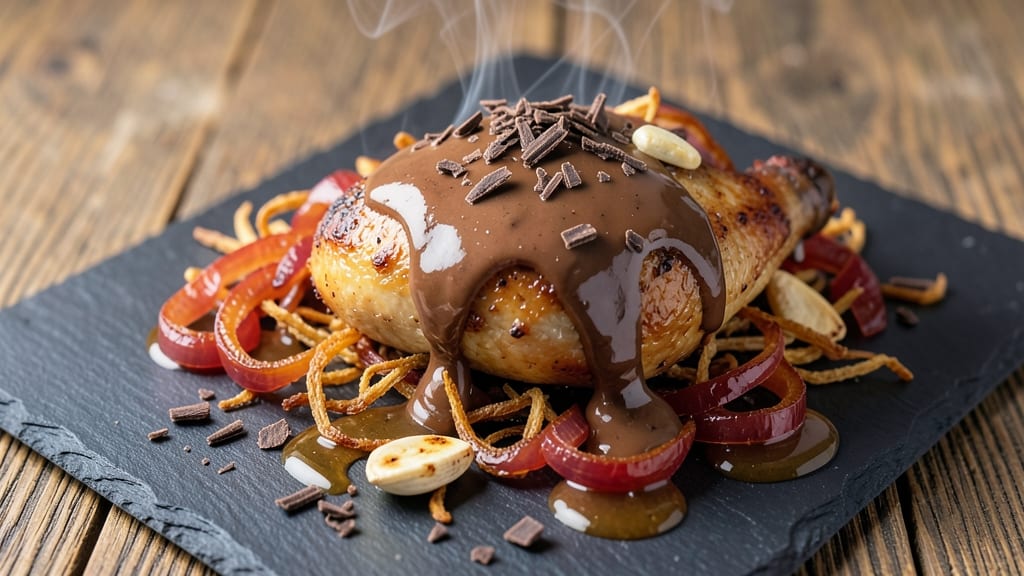
This Dubi chocolate recipe transforms a traditional Ethiopian stew into a rich, velvety masterpiece where dark chocolate meets spiced berbere for a flavor profile unlike anything else. The secret lies in balancing heat, sweetness, and umami—creating layers of complexity that make every bite unforgettable.
I developed this version after years of refining the technique, ensuring the chocolate doesn’t overpower but instead deepens the dish’s natural depth.
The magic happens in the sauce, where melted chocolate blends seamlessly with berbere spice and buttermilk to create a flaky, almost custard-like texture that clings to tender chicken. This isn’t just a stew—it’s a celebration of Ethiopian flavors, where the chocolate acts as a bridge between spice and richness.
The result is a dish that’s hearty yet refined, perfect for sharing with family or impressing guests.
Serving Dubi traditionally requires injera, the spongy Ethiopian flatbread, which soaks up the sauce like a dream. Pair it with spiced tea for an authentic experience that transports you to the highlands of Ethiopia.
The dish is labor-intensive but worth every minute—each component plays a role in creating something truly special.
Ready to master this recipe? The process is methodical, but the reward is a dish that feels like a hug in every bite. Let’s get started on creating your own version of this Ethiopian classic.
Ingredients for dubi chocolate
Rich Ethiopian flavors meet velvety chocolate in this labor-intensive masterpiece.
| Ingredient | Amount | Notes |
|---|---|---|
| Dark Chocolate Bars 🍫 | 8 oz | 70% cocoa, finely chopped |
| Berbere Spice Blend 🌶️ | ½ cup | Homemade or quality store-bought |
| Buttermilk 🥛 | 1 cup | Full-fat for creaminess |
| Chicken Thighs 🍗 | 1 ½ lb | Bone-in, skin-on preferred |
| Yellow Onion 🧅 | 1 whole | Finely diced, medium size |
| Garlic Cloves 🧄 | 6 cloves | Peeled, minced finely |
| Fresh Ginger 🌿 | ½ cup | Finely grated, packed |
| Tomato Paste 🍅 | 2 tbsp | High-quality, no sugar added |
| Coconut Milk 🥥 | 1 can | Full-fat, 13.5 oz can |
| Vegetable Oil 🫒 | ¼ cup | For searing chicken |
| Salt 🧂 | 1 ½ tsp | Diamond Crystal preferred |
| Ground Black Pepper 🌶️ | ½ tsp | Freshly ground for heat |
| Cardamom Pods 🌿 | 4 whole | Lightly crushed |
| Cinnamon Sticks 🌿 | 2 whole | 1-inch pieces |
| Fresh Cilantro 🌿 | ¼ cup | Chopped, for garnish |
The dark chocolate is non-negotiable—70% cocoa or higher ensures depth without overpowering the berbere's complexity. Ghirardelli or Valrhona bars are ideal, but any quality brand works if chopped finely. Berbere spice blends vary dramatically; Ethiopian Epic or Spicewalla offer authentic versions, or create your own blend of paprika, cayenne, fenugreek, and coriander. Fresh ginger must be brightly colored and firm—no woody stems. For the chicken, bone-in, skin-on thighs yield the most flavor, though breasts work in a pinch if pounded evenly. The buttermilk should be full-fat (culture or store-bought) for that signature flakiness in the sauce.
Substitutions require finesse. No berbere? Mix 2 tbsp smoked paprika, 1 tbsp cayenne, 1 tsp each of coriander and fenugreek. Dark chocolate unavailable? Semisweet chocolate chips work, but reduce to 6 oz for less intensity. The coconut milk can be swapped for heavy cream or evaporated milk, though texture will differ slightly. Fresh ginger too pungent? Powdered ginger at half the amount tempers the heat. For the cardamom, ground cardamom at 1/4 tsp suffices if whole pods are unavailable. The tomato paste can be omitted entirely if you prefer a less tangy profile, but it adds crucial acidity balance.
This dish rewards patience—reheat gently with a splash of water or broth to restore that velvety texture. The sauce thickens as it cools, so stir in extra buttermilk if needed when reheating. Stores 3-4 days in the fridge, though flavor deepens overnight. Freezes beautifully for up to 3 months—portion into airtight containers with a layer of plastic wrap to prevent freezer burn. Serve with warm injera and a side of spiced Ethiopian coffee for an authentic experience that transports you to the highlands.
Why You'll Love This Recipe
- One-Pot Magic: I swear by this—just brown the chicken, toss in onions and berbere, then let the buttermilk do its thing. No extra pans, no fuss, and the chocolate melts right into the sauce like it was meant to be there.
- Spice & Sweet Payoff: That berbere blend brings the heat, but the dark chocolate? It’s the secret handshake. The richness balances the kick, and honestly, the first bite makes you question why you’ve never done this before.
- Weeknight or Weekend Star: Make it for a lazy Tuesday with takeout containers at the ready, or impress guests at a dinner party. The leftovers reheat like a dream—crispy chicken, velvety sauce, and that chocolate depth? Always a crowd-pleaser.
- Budget Hack with Depth: Chicken thighs stretch further than breasts, and dark chocolate bars cost less than fancy cocoa powder. Between us, this recipe feels luxurious without breaking the bank—especially when you’re feeding a houseful.
Step-by-step instructions for Dubi chocolate recipe
Master the technique behind flaky layers and buttermilk's transformative role in this rich chocolate creation.
Create the Chocolate-Buttermilk Base
In a heavy-bottomed saucepan, combine the 8 oz finely chopped dark chocolate bars with the 1 cup buttermilk over medium-low heat. Stir gently until the chocolate melts completely and the mixture reaches a smooth, velvety consistency. This process typically takes about 5-7 minutes—watch closely as the buttermilk's acidity helps emulsify the chocolate more effectively than water would.
Once fully melted, remove from heat and immediately whisk in the 0.5 cup berbere spice blend. This step is critical for distributing the spices evenly throughout the chocolate mixture. The berbere's complex flavors will infuse into the chocolate, creating depth that balances its richness. Let the mixture cool slightly to 100°F before proceeding—this prevents the chocolate from seizing when combined with other ingredients later.
Develop the Spiced Chocolate Layer
In a separate bowl, lightly crush the 4 whole cardamom pods and 2 whole cinnamon sticks using a mortar and pestle or rolling pin. Add these to the cooled chocolate mixture along with the 0.5 cup finely grated fresh ginger. The ginger's heat will complement the chocolate's intensity while the cardamom and cinnamon add aromatic warmth. Stir thoroughly to ensure even distribution of these spices throughout the chocolate.
This layer is where the recipe's signature complexity emerges. The spices need time to meld with the chocolate, so let the mixture sit at room temperature for 15 minutes, stirring occasionally. This resting period allows the flavors to harmonize before incorporating the remaining components. The result should be a thick, aromatic paste with visible flecks of spice throughout.
Prepare the Chicken and Aromatic Base
While the chocolate mixture rests, heat the 0.25 cup vegetable oil in a large skillet over medium-high heat. Season the 1.5 lb chicken thighs with 1.5 tsp salt and 0.5 tsp ground black pepper, then sear skin-side down for 5-6 minutes until golden brown and crispy. Flip the chicken and cook for another 4-5 minutes until the internal temperature reaches 165°F. Remove from skillet and set aside, reserving the rendered fat.
In the same skillet, reduce heat to medium and add the 1 whole finely diced yellow onion. Sauté for 3-4 minutes until softened. Add the 6 cloves minced garlic cloves and cook for 30 seconds until fragrant. Stir in the 2 tbsp tomato paste and cook for 1 minute until it darkens slightly. This aromatic base will form the flavor foundation for the final assembly.
Assemble the Flaky Layers
In a mixing bowl, combine the spiced chocolate mixture with the 1 can full-fat coconut milk. Whisk vigorously until smooth and well incorporated. The coconut milk's creaminess will create a luxurious texture that contrasts beautifully with the chocolate's intensity. Pour this mixture over the seared chicken thighs and onions, ensuring each piece is thoroughly coated.
To achieve the flaky layers, carefully fold in half of the 0.25 cup chopped fresh cilantro, reserving the rest for garnish. The cilantro's bright notes will cut through the richness of the chocolate and coconut milk. Transfer the entire mixture to a baking dish and refrigerate for at least 2 hours or until the mixture firms up slightly but remains spreadable. This chilling step is essential for creating clean, flaky layers when sliced.
Final Assembly and Serving
Preheat your oven to 350°F. Spread the chilled chocolate mixture evenly in a baking dish, creating a thin layer about ½-inch thick. Bake for 15-20 minutes until the top develops a slight sheen but remains fudgy rather than firm. Remove from oven and let cool for 10 minutes before slicing into 4 equal portions—this ensures clean, flaky layers that separate beautifully.
Garnish each serving with the remaining 0.25 cup chopped fresh cilantro. The contrast between the flaky chocolate layers and the herb's freshness creates a striking presentation. Serve immediately while the chocolate maintains its velvety texture. The buttermilk's acidity balances the chocolate's richness, while the berbere spice blend adds an unexpected depth that makes this recipe truly distinctive.
Pro Tips For Making Dubi Chocolate
- MELT CHOCOLATE LOW: Heat dark chocolate over a double boiler on low or in 15-second bursts in the microwave—any hotter and it seizes up fast. I learned this the hard way after scraping burned chunks off my sauce twice.
- BLOOM THE BERBERE: Toast the berbere spice blend in a dry pan for 30 seconds before adding it to the sauce—this deepens its flavor and cuts through the bitterness of dark chocolate. (Yes, even if you’re impatient like me.)
- DRY THIGHS WELL: Pat chicken thighs thoroughly with paper towels before browning—wet skin steams instead of crisps, and you’ll end up with soggy dubi. I skip this, and the sauce turns into a stew.
- SAVE TIME WITH BUTTERMILK: Use cold buttermilk for marinating chicken—it tenderizes better overnight, and the acidity balances the richness of the chocolate. (No time? Soak for just 2 hours—it still works.)
Flavor customization for this dubi chocolate
Spice-Forward Variations
The berbere spice blend is the soul of Dubi, but you can amplify its heat or depth. For a fiery kick, add 1 tsp cayenne pepper directly to the chocolate mixture—this cuts through the richness while keeping the berbere’s complexity.
Alternatively, swap half the berbere for 1 tbsp smoked paprika to introduce a smoky depth that pairs beautifully with the chocolate’s bitterness. 🌶️
For a milder profile, reduce the berbere to 0.3 cups and boost the warmth with ½ tsp ground cinnamon and ¼ tsp ground cardamom. This balances the chocolate’s intensity while keeping the dish approachable for spice-sensitive palates.
The key is to let the spices meld for 20 minutes before combining with other ingredients—this ensures even distribution.
Sweetness Adjustments
The chocolate’s bitterness needs a counterbalance, and buttermilk provides acidity, not sweetness. If you prefer a sweeter profile, stir in 1 tbsp honey or 1 tsp maple syrup during the final assembly step. This works especially well if using a higher-cocoa chocolate (85%), which can taste overly bitter.
For a caramelized twist, add 2 tbsp brown sugar to the chocolate-buttermilk base before melting—this creates a subtle molasses note that complements the berbere’s earthiness.
For a less sweet version, omit any added sugar entirely and rely on the natural sweetness of the coconut milk. The contrast between the chocolate’s bitterness and the berbere’s spice will be more pronounced, but the dish remains balanced.
I often adjust sweetness based on the chocolate brand—Valrhona’s 70% cocoa needs less sugar than a generic store brand.
Texture Experimentations
Want a creamy, almost pudding-like texture? Replace ½ cup of the coconut milk with ½ cup heavy cream before baking. The extra fat content creates a silky mouthfeel that pairs perfectly with the flaky layers.
For a lighter texture, use light coconut milk and fold in 1 whipped egg white before chilling—this adds airiness without compromising structure.
For a crunchy contrast, sprinkle 2 tbsp toasted hazelnuts or crushed pistachios over the baked Dubi before serving. The nuts’ bitterness mirrors the chocolate’s depth, while their crunch provides a delightful texture play.
To toast nuts, spread them on a baking sheet and bake at 350°F for 8-10 minutes, stirring once, until fragrant and golden.
Protein Swaps
While chicken thighs are traditional, beef short ribs make a luxurious alternative. Braise 1.5 lb bone-in short ribs in the spiced chocolate sauce for 2.5 hours until tender, then shred before assembling. The beef’s richness amplifies the chocolate’s depth, but the cooking time increases significantly.
For a lighter option, use firm tofu pressed and cubed—simmer it in the sauce for 15 minutes until heated through.
Seafood lovers can try shrimp or scallops, but they cook quickly. Sear 1 lb large shrimp in the rendered fat for 2 minutes per side until pink, then fold into the sauce for the final 5 minutes of baking.
The shrimp’s sweetness harmonizes with the chocolate’s bitterness, but avoid overcooking—shrimp should remain tender and opaque. 🦐
Nutrition facts
Frequently asked questions
What makes this Dubi recipe different from traditional Ethiopian chicken dishes?
The signature twist here is the chocolate-infused berbere sauce that creates velvety, flaky layers when baked. While classic Ethiopian stews like Doro Wat rely on spice blends alone, this version blends 70% dark chocolate with berbere and buttermilk for a rich, complex depth that balances heat and sweetness. The chocolate acts as a flavor bridge, making the dish both hearty and surprisingly refined.
Can I make this recipe without injera?
While injera is traditional, you can serve this Dubi with warm crusty bread, steamed rice, or even polenta for a heartier base. The chocolate sauce works beautifully with any starchy accompaniment that can soak up its richness. For extra authenticity, try pairing it with Ethiopian coffee—the bitter notes complement the chocolate perfectly.
Why does the recipe call for buttermilk instead of regular milk?
The buttermilk's acidity is key—it prevents the chocolate from seizing when melted and creates those signature flaky layers during baking. Regular milk lacks the necessary tang to balance the chocolate's richness and the berbere's heat. If you're out of buttermilk, you can substitute 1 cup plain yogurt + ¼ cup water, but the texture may be slightly denser.
How do I adjust the spice level for sensitive palates?
Start by reducing the berbere to 0.3 cups instead of 0.5 cups, then add ½ tsp ground cinnamon and ¼ tsp ground cardamom for warmth without heat. For extra mildness, strain the sauce through a fine-mesh sieve after baking to remove visible spice particles. The chocolate's bitterness will still shine through, but the overall profile becomes much gentler.
Can I prepare this ahead of time?
This dish actually tastes better the next day as the flavors meld! Assemble it completely (including baking), then refrigerate for up to 3 days. Reheat gently in a 350°F oven with a splash of water or coconut milk to restore its velvety texture. For freezing, portion into airtight containers and thaw overnight in the fridge before reheating. The chocolate layers hold up beautifully when properly stored.