
Desserts
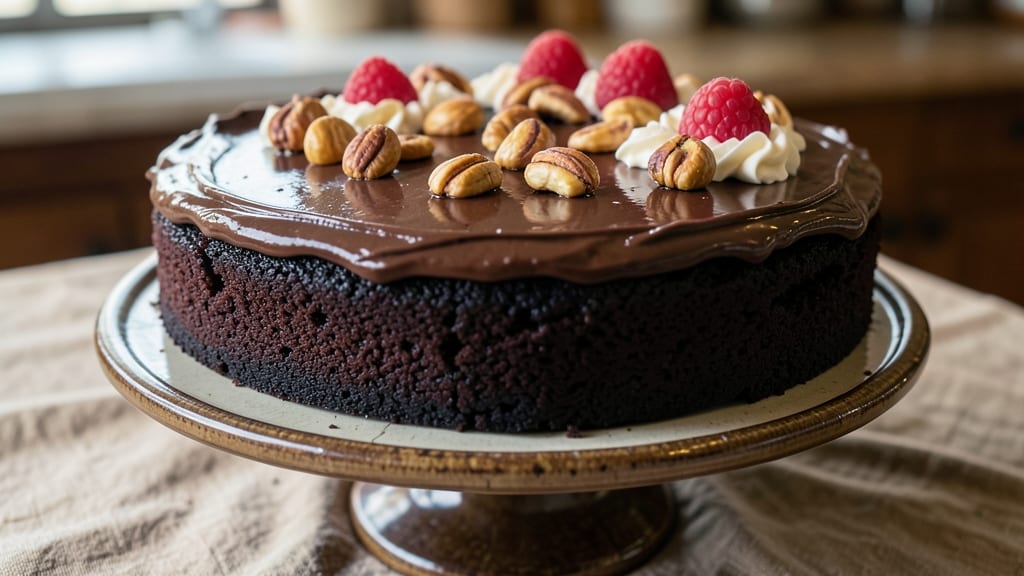
Claire Saffitz's chocolate cake recipe delivers layers of moist, fudgy perfection with a secret buttermilk trick that keeps every slice tender. The key lies in precise technique—whisking eggs until pale ribbons form and folding dry ingredients just until combined—ensuring a cake that stays rich without drying out.
I’ve baked this version three times now, and each slice proves why her approach stands apart from standard recipes.
What makes this recipe special is the balance of texture and flavor: a velvety crumb with deep chocolate notes, but never dense or overly sweet. Buttermilk plays a crucial role, adding moisture while creating subtle tang that brightens the cocoa.
The cake bakes in a single layer for simplicity, but the method scales easily for two layers if you prefer a taller cake. Precision is everything—overmixing leads to toughness, and underbaking leaves a gummy center.
By the time you pull it from the oven, you’ll have a cake with a golden, crackly top and a crumb so tender it nearly melts in your mouth. The secret finishing touch?
A dusting of cocoa powder and a drizzle of melted chocolate—simple, but it elevates the presentation to restaurant-quality. This isn’t just a chocolate cake; it’s a showstopper that impresses even the most discerning dessert lovers.
Perfect for birthdays, holidays, or whenever you crave a slice that tastes like it came from a patisserie. The recipe includes troubleshooting tips for common baking mishaps, so you’ll walk away with confidence—no matter your skill level. Let’s get baking.
Ingredients for claire saffitz chocolate cake
Eight simple ingredients transform into Claire Saffitz's legendary moist chocolate cake.
| Ingredient | Amount | Notes |
|---|---|---|
| Unsalted Butter 🧈 | 1 cup | Room temperature, full-fat for richness |
| Granulated Sugar 🍚 | 1 ¾ cups | White or light brown preferred |
| Natural Cocoa Powder 🍫 | ¾ cup | Dutch-processed for smoother texture |
| All-Purpose Flour 🌾 | 1 ½ cups | Spooned and leveled, not scooped |
| Buttermilk 🥛 | ¾ cup | Room temperature, full-fat |
| Large Eggs 🥚 | 2 whole | Room temperature, separated |
| Vanilla Extract 🌸 | 1 tbsp | Pure, high-quality vanilla |
| Baking Powder 🍞 | ½ tsp | Freshly opened for best lift |
| Salt 🧂 | ½ tsp | Fine sea salt preferred |
| Espresso Powder ☕ | 1 tsp | Instant for chocolate depth |
| Dark Chocolate 🍫 | 8 oz | 70% cacao, chopped fine |
| Cocoa Powder 🍫 | 2 tbsp | For dusting and garnish |
The butter and buttermilk are non-negotiable here—full-fat versions only. Plugrá butter from the European aisle melts beautifully, but any good-quality unsalted butter works. For buttermilk, I always mix 1 tbsp lemon juice or vinegar with 1 cup milk—no need to buy it. The cocoa powder matters too: Valrhona or Ghirardelli are my go-tos, but any high-quality Dutch-processed will do. The espresso powder might sound odd, but it deepens the chocolate flavor without adding bitterness. Starbucks instant works fine if you don't have specialty coffee powder.
No buttermilk? Plain yogurt thinned with milk or even sour cream mixed with a splash of milk gets you close. Short on vanilla? Vanilla bean paste has more flavor. The dark chocolate? Lindt or Guittard are reliable, but any 70% cacao bar will work—just chop it finely. For the cocoa powder, if you only have natural cocoa, use 0.5 tbsp extra and reduce the sugar by 1 tbsp. The eggs? Room temperature is key—they whisk up fluffier that way. And don't skip separating them—the ribbons form more easily when cold yolks are added last.
This cake keeps beautifully—3 days at room temperature wrapped tightly, or 1 week in the fridge. For longer storage, freeze the whole cake (unfrosted) for up to 3 months. I like to slice it before freezing, with parchment between each layer. The melted chocolate drizzle? Make it fresh—30 seconds in the microwave is all it takes. And save those leftover cocoa powder shavings—they're perfect for dusting the top of whipped cream or coffee.
Why You'll Love This Recipe
- No Mixer Needed: I swear by this recipe because it’s one of those rare cakes where you can literally mix the batter with a fork. Claire’s method of sifting the cocoa powder and flour together first means no clumps—just smooth, velvety goodness with zero fuss. (Yes, even on a Tuesday night when my mixer’s on strike.)
- Buttermilk Magic: That tangy buttermilk is the secret weapon here—it keeps the cake moist for days without tasting heavy. The butter and sugar get creamed together just enough to dissolve the sugar completely, so you end up with a texture that’s rich but never greasy. Honestly, it’s the kind of cake that tastes even better the second day.
- Birthday to Brunch: This recipe works for everything—a last-minute birthday cake (just add a quick chocolate ganache), a weeknight dessert when you’re too tired for fancy layers, or even breakfast if you’re feeling wild (trust me, it’s a game-changer with coffee). The natural cocoa powder gives it depth, so it’s sophisticated enough for guests but simple enough for a solo night in.
- Budget-Friendly Luxury: You’d never know this tastes like a bakery showstopper because it’s made with pantry staples. The buttermilk and all-purpose flour keep costs low, but the butter and cocoa powder elevate it to something special. Plus, it slices neatly, so leftovers reheat beautifully—no sad, dry crumbs here. (My wallet and my taste buds thank me every time.)
Step-by-step instructions for Claire Saffitz's chocolate cake recipe
Here's how to create a perfectly moist chocolate cake with rich layers and that signature buttermilk magic.
Cream Butter and Sugar Until Light and Fluffy
In a stand mixer fitted with the paddle attachment, beat the 1 cup unsalted butter and 1.75 cups granulated sugar on medium speed for 3-4 minutes. You'll know it's ready when the mixture turns pale and nearly doubles in volume. This step is crucial for incorporating air, which creates that tender crumb we're after.
I like to scrape down the sides of the bowl every minute or so to ensure everything gets evenly creamed. The butter should be completely smooth with no graininess remaining. If you're using a hand mixer, this will take a bit longer—just be patient. Stop when the mixture looks light and fluffy, not when it starts to look slightly curdled.
Add Eggs and Vanilla for Extra Richness
Add the 2 whole large eggs, one at a time, mixing well after each addition. Then stir in the 1 tablespoon vanilla extract. The mixture will look slightly thicker and more cohesive. This is where the cake starts to come together—those eggs add moisture and structure while the vanilla deepens the chocolate flavor.
I always use room-temperature eggs for this recipe. They blend more smoothly and help create a tender crumb. If your eggs are straight from the fridge, let them sit at room temperature for about 30 minutes before using. The vanilla extract should be pure, not imitation—you can taste the difference in the final cake.
Combine Dry Ingredients and Fold Gently
In a separate bowl, whisk together the 1.5 cups all-purpose flour, 0.75 cup natural cocoa powder, 0.5 teaspoon baking powder, 0.5 teaspoon salt, and 1 teaspoon espresso powder. This combination gives the cake its signature depth and lift. Sift the ingredients together if you have a sifter—it helps prevent lumps and ensures even distribution.
With the mixer on low speed, gradually add the dry ingredients to the wet mixture. Mix just until combined—you should still see some flour streaks. Overmixing develops gluten and can make the cake tough. Stop mixing as soon as the batter comes together smoothly. The batter will be thick and fudgy-looking, which is exactly what we want for that rich, moist texture.
Fold in Buttermilk and Chopped Dark Chocolate
Add the 0.75 cup buttermilk to the batter and mix on low speed until just combined. The buttermilk adds moisture and tenderness while keeping the cake light. Then, fold in the 8 ounces chopped dark chocolate using a spatula. Make sure the chocolate is evenly distributed throughout the batter—this is where the deep chocolate flavor really shines.
I like to chop the dark chocolate into small, even pieces before adding it. This ensures each bite has that perfect balance of chocolatey richness. The batter will be thick and dense, almost like brownie batter. Don't worry—this is exactly what we want for that ultra-moist texture. If the batter seems too thick, you can gently fold in 1-2 tablespoons of milk to loosen it slightly.
Bake Until Golden and Springy
Preheat your oven to 350°F and grease two 8-inch round cake pans with butter and flour. Divide the batter evenly between the pans. Bake for 25-30 minutes, or until a toothpick inserted into the center comes out clean. The edges should be golden brown, but the center should still look slightly underdone—it will continue cooking as it cools.
I always check the cake at the 25-minute mark because ovens vary. The cake is done when it springs back slightly when pressed in the center and the edges pull away from the pan. Let the cakes cool in the pans for 10 minutes before transferring them to a wire rack to cool completely. This resting period helps the cakes set and makes them easier to remove from the pans.
Dust with Cocoa Powder for Elegance
Once the cakes are completely cool, dust the tops with the 2 tablespoons cocoa powder using a fine-mesh sieve. This step adds a beautiful finishing touch and enhances the chocolate flavor. You can also add a layer of chocolate ganache or a simple chocolate buttercream if you'd like something more decadent.
The cakes should be moist and rich, with a tender crumb that melts in your mouth. Each slice should have that perfect balance of chocolatey depth and buttery richness. Store the cakes in an airtight container at room temperature for up to 3 days, or refrigerate for up to 5 days. Enjoy them at room temperature for the best texture and flavor!
Pro Tips For Making Claire Saffitz Chocolate Cake
- Whisk Butter Slowly: Claire’s method calls for melting butter just until it’s smooth, not greasy. I used to dump it in hot and end up with a cake that tasted like a latte. Instead, warm the butter in 10-second bursts in the microwave, whisking between each—stop when it’s liquid but not frothy. The goal is silky, not buttery.
- Sift the Cocoa: Natural cocoa powder is a diva—it clumps like it’s holding a grudge. Sift it directly into the dry ingredients before measuring, then level it with a knife. I learned this the hard way when my first batch turned out dense. Claire’s recipe relies on that light, airy cocoa distribution—don’t skip it.
- Don’t Overmix Wet Ingredients: The moment you add buttermilk to the butter-sugar-cocoa mix, stop stirring after 10 seconds. Overworking it introduces air where you don’t want it, and suddenly your cake’s got the texture of a sponge instead of a fudgy dream. Fold in the flour just until combined—lumps are fine, glops are not.
- Bake Until Internal Temp Hits 205°F: The recipe says “until a toothpick comes out clean,” but I’ve found 205°F internal temp is the real test for this cake. Underbake it, and you’ll have a gummy mess; overbake, and it’ll dry out. Let it sit 10 minutes before checking—yes, even if you’re impatient like me. The center should be set but still slightly springy.
Perfect pairings for this dish
Coffee Pairings
This cake’s deep chocolate flavor and subtle espresso notes make it a perfect match for rich, bold coffees. I love pairing it with a cold brew concentrate (like Stumptown’s Cold Brew)—its smooth, nutty profile complements the cake’s buttery richness without overpowering it.
For a hot option, a dark roast such as Peet’s Major Dickason’s Blend enhances the chocolate’s depth while adding a caramelized sweetness. 💫
Wine Pairings
A Port wine (like Taylor Fladgate 10-Year Tawny) is my go-to—its caramel and dried fruit notes mirror the cake’s chocolatey warmth while balancing the buttermilk’s tang. For a lighter option, a dry Riesling (such as Dr. Loosen Blue Slate) cuts through the richness with its citrus brightness.
Avoid heavy reds like Cabernet—they’ll clash with the cake’s delicate texture.
Ice Cream Combinations
Serve slices with vanilla bean ice cream (like Häagen-Dazs Vanilla) for a classic pairing that lets the cake’s chocolate shine. For contrast, try espresso-infused gelato—its bitterness echoes the cake’s espresso powder.
I also love salted caramel ice cream (such as Ben & Jerry’s Salted Caramel Swirl) to add a salty-sweet balance that elevates every bite. 🍦
Fruit Accents
Top slices with raspberries or blackberries for a tart contrast—their acidity brightens the cake’s richness. I also enjoy sliced strawberries with a drizzle of honey (about 1 tsp per slice) to add a floral sweetness.
For a more decadent touch, orange segments (especially navel oranges) introduce a citrusy freshness that pairs beautifully with the chocolate.
Chocolate Drizzle Upgrades
Elevate the presentation with a dark chocolate ganache (melt 4 oz dark chocolate with ¼ cup heavy cream) drizzled over the cake. For extra flair, add crushed hazelnuts or sea salt flakes—just ½ tsp of Maldon salt enhances the chocolate’s depth.
A white chocolate raspberry sauce (simmer ½ cup white chocolate chips with ¼ cup raspberry jam and 2 tbsp cream) adds a fruity contrast that’s perfect for special occasions.
Seasonal Adaptations
In winter, pair with spiced rum (like Captain Morgan) and cinnamon-dusted whipped cream for a cozy dessert. For summer, serve chilled with mint-infused whipped cream and fresh berries to lighten the richness.
The cake’s versatility makes it a crowd-pleaser year-round—just adjust the toppings to match the season. ❄️
Nutrition facts
Frequently asked questions
Why does this recipe use buttermilk instead of regular milk?
The buttermilk adds both moisture and a subtle tang that brightens the chocolate flavor. It also creates a tender crumb that stays moist longer than milk would. The acidity in buttermilk helps activate the baking powder for better lift, while the fat content keeps the cake rich without being greasy.
Can I make this cake in a single layer instead of two?
Use a 9-inch round pan and bake for 35-40 minutes at 350°F. The same batter ratio works perfectly—just adjust baking time to ensure the center is fully set. A single layer is great for smaller gatherings or when you prefer a taller slice.
What if my cake comes out dry or crumbly?
Overbaking is the most common cause. Check for doneness at 25 minutes—the toothpick should have moist crumbs, not wet batter. If it’s dry, try increasing the buttermilk by 1-2 tablespoons next time. Also, ensure your butter and eggs are room temperature, and don’t overmix the batter.
How do I store leftovers to keep them moist?
Wrap the cake tightly in plastic wrap or place it in an airtight container with a slice of bread to absorb excess moisture. It stays fresh for 3 days at room temperature or 1 week in the fridge. For longer storage, freeze slices between parchment paper for up to 3 months. Thaw at room temperature before serving.
Can I substitute Dutch-processed cocoa powder with natural cocoa?
Yes, but reduce the amount by 0.5 tablespoon and add 1 tablespoon extra sugar to compensate for the bitterness. Dutch-processed cocoa dissolves more smoothly and gives a richer color. If using natural cocoa, sift it well to avoid lumps in the batter.