Desserts
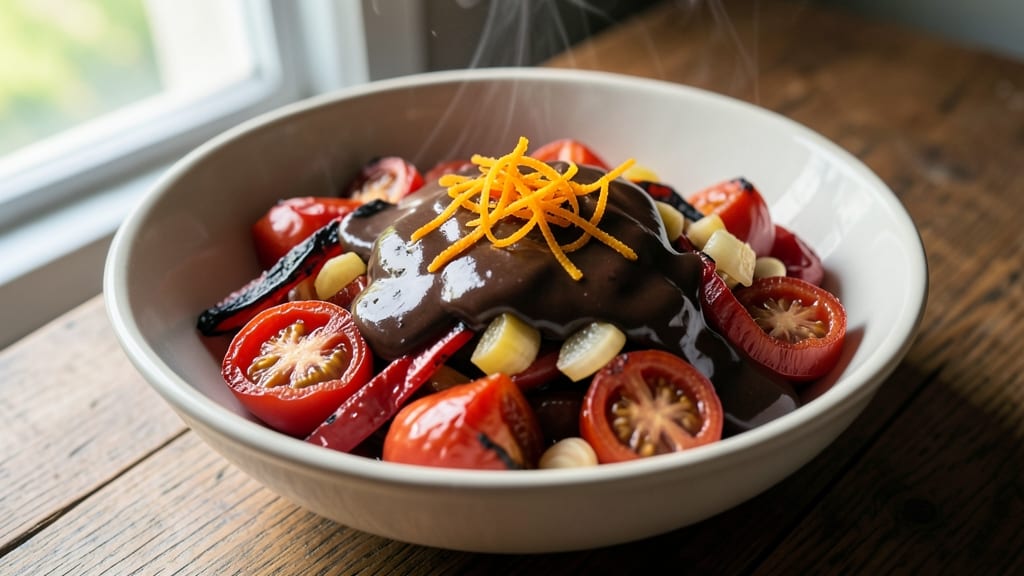
This chocolate salsa recipe transforms a classic dip into a rich, velvety fusion that bridges sweet and savory worlds—perfect for fruit, ice cream, or even grilled meats. The secret lies in balancing dark chocolate’s depth with traditional salsa’s tangy brightness, creating a sauce that’s both indulgent and versatile.
I developed this after craving something unexpected yet familiar, and it became an instant crowd-pleaser at dessert tables.
The process is straightforward: simmer tomatoes, peppers, and onions until tender, then blend with melted chocolate, citrus zest, and a touch of sweetener for harmony. The result is a smooth, slightly spicy-chocolate sauce with a texture between a thick dip and a spreadable glaze.
It’s bold enough to stand alone but flexible enough to elevate other dishes—like drizzling over vanilla ice cream or pairing with sharp cheddar and crackers.
What makes this recipe shine is its adaptability: use it as a dessert dip, a topping for pancakes, or even a glaze for roasted vegetables. The chocolate’s bitterness cuts through sweetness beautifully, while the salsa base keeps it from feeling too heavy.
With just 10 minutes of active prep and 30 minutes of simmering, you’ll have a sauce that’s restaurant-worthy without the fuss.
For best results, let the salsa rest for 15 minutes before serving—this allows flavors to meld and the chocolate to fully integrate. Store leftovers in the fridge for up to a week, though it rarely lasts that long.
Here’s how to make it—simple steps for a sauce that’s anything but ordinary.
Ingredients for chocolate salsa
Ten ingredients blend chocolate's richness with salsa's tang for a versatile sauce that elevates desserts effortlessly.
| Ingredient | Amount | Notes |
|---|---|---|
| Dark Chocolate Bars 🍫 | 4 oz | 70% cacao minimum for depth |
| Roma Tomatoes 🍅 | 2 cups | Diced, seedless for smooth texture |
| Red Bell Pepper 🌶️ | ½ cup | Diced, roasted for sweetness |
| Yellow Onion 🧅 | ¼ cup | Finely diced, sautéed until translucent |
| Garlic Cloves 🧄 | 3 cloves | Minced, toasted for aromatic depth |
| Orange Zest 🍊 | 1 tbsp | Freshly grated, brightens flavor |
| Orange Juice 🍊 | ¼ cup | Freshly squeezed, balances sweetness |
| Extra-Virgin Olive Oil 🫒 | ¼ cup | High-quality, fruity variety |
| Cumin Seeds 🌿 | ½ tsp | Toasted, earthy complexity |
| Salt 🧂 | ½ tsp | Diamond Crystal kosher preferred |
The dark chocolate selection is critical—70% cacao or higher ensures proper bitterness to balance the sauce's sweetness. Ghirardelli or Lindt bars work exceptionally well, but avoid milk chocolate as it overpowers the salsa base. Roma tomatoes provide the ideal texture, while red bell peppers contribute natural sweetness when roasted. For the onion, yellow or white varieties are preferable as they caramelize more evenly than red. Toasting the cumin seeds in a dry pan before adding them to the sauce enhances their aromatic profile significantly. Fresh orange zest and juice are non-negotiable—they provide the citrus brightness that prevents the chocolate from becoming too heavy.
No dark chocolate on hand? Semisweet chocolate chips can substitute in a pinch, though they lack the depth of quality dark chocolate. Swap the Roma tomatoes for fire-roasted canned tomatoes if fresh aren't available, but reduce the amount to 1.5 cups to maintain proper texture. For the orange juice, bottled orange juice works in a bind, but freshly squeezed delivers superior flavor. The olive oil should be extra-virgin and fruity—avoid light or refined varieties that lack flavor. If you're sensitive to spice, reduce the cumin seeds to 0.25 tsp, but don't omit them entirely as they're essential for the sauce's complexity. For a smoother texture, blend the sauce until completely smooth; for added texture, leave it slightly chunky with visible pieces of roasted pepper and tomato.
This sauce maintains its peak quality for 5-7 days when refrigerated in an airtight container. The chocolate may separate slightly upon initial refrigeration, but simply stir vigorously to re-emulsify before use. For longer storage, freeze the sauce in 1-tablespoon portions using ice cube trays—perfect for single servings. When reheating, do so gently over low heat or in the microwave at 50% power to prevent the chocolate from seizing. The sauce thickens as it cools, so if it becomes too stiff, thin with a splash of warm water or orange juice. This versatile condiment pairs beautifully with vanilla ice cream, fresh berries, or even as a glaze for roasted vegetables—its adaptability makes it a year-round pantry staple.
Why You'll Love This Recipe
- Five-Ingredient Magic: This isn’t one of those recipes where you need a pantry full of obscure spices. Just chop tomatoes, dice an onion, melt some chocolate—honestly, I’ve made it with one hand while texting. The bell pepper adds a little crunch, but even if you skip it, the garlic and chocolate carry the whole thing.
- Sweet-Savory Surprise: Between us, I didn’t believe it either. The dark chocolate melts into the tomatoes, creating this deep, rich base that’s not too sweet—just enough to make your taste buds do a happy dance. Add a splash of lime or vinegar at the end, and it’s like a grown-up version of salsa that actually satisfies.
- Date Night or Lazy Sunday: I’ve served this as a dip with tortilla chips at a fancy dinner (impressed everyone) and as a quick lunch with crackers on a rainy afternoon. It’s fancy enough for company but unfussy enough to make when you’re too tired to cook. Pro tip: Drizzle it over grilled chicken or avocado toast—suddenly, you’re a hero.
- No Waste, All Flavor: That half-used dark chocolate bar? Perfect. Those Roma tomatoes about to turn? No problem. The recipe uses what you’ve got, and the leftovers? They actually taste better the next day—like the chocolate and tomatoes marry even more overnight. Plus, it costs a fraction of store-bought dips, and you’ll make twice as much.
Step-by-step instructions for sweet-chocolate fruit dip
This method transforms bold chocolate into a velvety, citrus-kissed dip perfect for fruit or ice cream.
Roast and Blend the Vegetable Base
Preheat your oven to 425°F. On a rimmed baking sheet, combine the 2 cups Roma Tomatoes, 0.5 cup Red Bell Pepper, and 0.25 cup Yellow Onion. Toss with 0.25 cup Extra-Virgin Olive Oil and 0.5 tsp Salt until evenly coated. Roast for 20-25 minutes until the vegetables soften and develop caramelized edges.
Transfer the roasted vegetables to a food processor and pulse until completely smooth. This base creates the rich, slightly tangy foundation for your chocolate salsa. The roasting intensifies their natural sweetness while mellowing any acidity.
Toast Aromatics and Infuse with Citrus
In a dry skillet over medium heat, toast the 0.5 tsp Cumin Seeds for 30 seconds until fragrant. Immediately transfer to the food processor with the roasted vegetable purée. Add the 3 cloves Garlic Cloves and toast them in the same skillet for 1 minute until golden. Add these to the processor along with 1 tbsp Orange Zest and 0.25 cup Orange Juice.
Pulse until fully combined, scraping down the sides as needed. The toasted spices and citrus brighten the chocolate's depth while adding complex layers. The orange zest should dissolve into the mixture, creating a vibrant, citrus-forward flavor profile.
Step 3: Melt and Incorporate the Chocolate
In a separate heatproof bowl, melt the 4 oz Dark Chocolate Bars over a saucepan of simmering water, ensuring the bowl doesn't touch the water. Stir occasionally until completely smooth. Remove from heat and let cool slightly for 2 minutes—it should be warm but not hot.
With the food processor running, slowly drizzle the melted chocolate into the vegetable mixture. Process until fully incorporated and the mixture is silky smooth. The chocolate should transform the base into a rich, velvety texture with a deep, bittersweet character.
Balance and Refine the Texture
Transfer the mixture to a saucepan and cook over low heat for 5-7 minutes, stirring constantly with a silicone spatula. This gentle heating allows the flavors to meld while preventing the chocolate from seizing. Taste and adjust seasoning with additional salt if needed.
The final texture should be thick but pourable—similar to a luxurious dipping sauce. If it's too thick, whisk in 1-2 teaspoons of water to reach your desired consistency. For serving, transfer to a bowl and let cool to room temperature before using.
Pro Tips For Making Chocolate Salsa
- CHOP CHOCOLATE SMALL: Break that dark chocolate bar into ½-inch cubes before melting—it heats faster and melts evenly without burning. I used to dump whole bars in and ended up with a pot of uneven, grainy sludge every time.
- ROAST THE PEPPER: Char that red bell pepper over an open flame or under the broiler until the skin blackens in spots—it adds smoky depth the knife-cut version can’t match. Skip this, and your salsa tastes like it’s missing something.
- SALT THE TOMATOES: Toss diced Roma tomatoes with a pinch of salt and let them sit for 10 minutes before mixing—it draws out moisture, making them sweeter and preventing a watery salsa. Yes, even if you’re impatient like me.
- TEMPER THE CHOCOLATE: Heat the chocolate over low heat with a splash of water or heavy cream, stirring constantly until it’s just melted—no higher than 110°F (43°C). Push it past that, and you’ll end up with a bitter, seizing mess instead of smooth sauce.
Storing and reheating this chocolate salsa
Refrigerator Storage
Store your chocolate salsa in an airtight glass container with a lid—glass preserves flavor better than plastic and prevents absorption of fridge odors. The sauce will thicken as it cools, so I recommend leaving ½ inch of headspace at the top to accommodate this.
It keeps perfectly for up to 7 days when stored at 40°F or below, though I’ve never had leftovers last that long! 🥫
If you notice the chocolate separating slightly upon opening, simply stir vigorously with a silicone spatula until fully re-emulsified. The texture will smooth out within 2-3 minutes.
For extra insurance, place the container in a bowl of warm water for 10 seconds to gently melt any hardened chocolate, then stir again.
Freezer Storage
For longer storage, portion the sauce into 1-tablespoon servings using silicone ice cube trays. Freeze until solid, then transfer to a ziplock freezer bag with all air removed. This method preserves texture beautifully for up to 3 months.
When ready to use, thaw overnight in the fridge or microwave at 50% power in 10-second bursts until smooth.
Never freeze the sauce directly in the container—it expands when frozen, which can crack glass. Instead, use freezer-safe silicone molds or small jars designed for freezing. Label with the date to track freshness, as the chocolate may develop a slightly grainier texture after 2 months of freezing.
Reheating Methods
For the best results, reheat gently over low heat in a small saucepan with 1-2 tablespoons of water to prevent seizing. Stir constantly for 2-3 minutes until smooth and warm.
If using the microwave, heat in 15-second intervals at 50% power, stirring between each interval to avoid hot spots. The sauce should reach 100°F for safe serving.
If the sauce thickens too much after reheating, thin with 1 teaspoon of warm water or orange juice at a time until you reach a spoonable consistency. Avoid adding too much liquid—this chocolate salsa is meant to be rich and velvety, not watery.
A quick dip in a double boiler (saucepan with simmering water below) also works beautifully for even heating.
Serving After Storage
Let refrigerated or reheated chocolate salsa sit at room temperature for 5 minutes before serving. This allows the texture to soften slightly and the flavors to meld. I often drizzle it over vanilla ice cream or spread it on warm pancakes for a decadent breakfast treat.
The contrast of cold and warm temperatures enhances the flavor profile dramatically.
For a restaurant-worthy presentation, transfer the cooled sauce to a small glass bowl and garnish with a sprinkle of orange zest or a few dark chocolate shavings.
Serve with strawberries, bananas, or pound cake for an elegant dessert spread. The sauce’s versatility makes it perfect for both casual and formal occasions! ✨
Nutrition facts
Frequently asked questions
Can I make this chocolate salsa without roasting the vegetables?
Yes, but the flavor will be less developed. Roasting caramelizes the natural sugars in tomatoes, peppers, and onions, creating a deeper sweetness that balances the chocolate beautifully. If skipping roasting, sauté the vegetables in olive oil over medium heat for 8-10 minutes until softened instead.
What’s the best way to adjust the sweetness level?
The recipe balances chocolate’s bitterness with citrus and roasted vegetables. If you prefer it sweeter, add 1 teaspoon of honey or maple syrup while blending. For a more complex flavor, try ½ teaspoon of cinnamon or smoked paprika instead—these enhance depth without extra sweetness.
Can I use milk chocolate instead of dark chocolate?
Milk chocolate will work, but it lacks the bitterness needed to balance the tangy salsa base. The result may taste overly sweet and heavy. If you must use milk chocolate, reduce the amount to 3 oz and add ½ teaspoon of espresso powder to deepen the flavor.
How do I fix grainy chocolate salsa after reheating?
Graininess happens when chocolate seizes from uneven heating. Stir in 1 teaspoon of warm water or orange juice while whisking vigorously. If the texture is still rough, place the sauce in a double boiler (saucepan with simmering water below) and stir gently until smooth.
What are the best pairings beyond fruit and ice cream?
This versatile sauce works surprisingly well with savory dishes! Try drizzling it over grilled chicken or pork tenderloin for a sweet-savory glaze, or spread it on toasted baguette slices with sharp cheddar. It also adds a unique twist to pasta dishes—toss with penne and walnuts for a dessert-worthy main course.