
Desserts
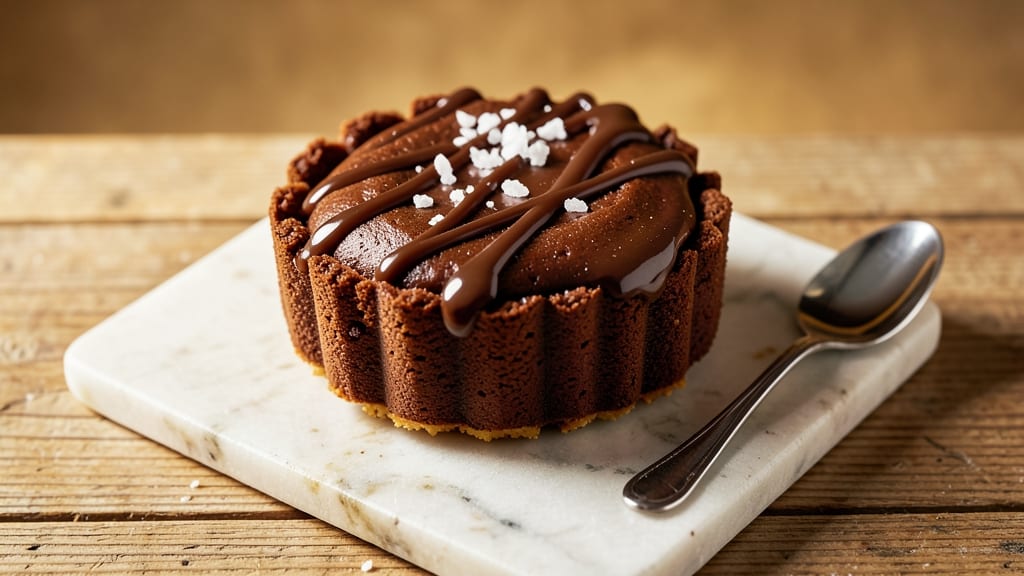
This classic chocolate marquise recipe delivers the elegance of French patisserie with a modern twist—silky ganache filling crowned with toasted pecans. The signature marquise shape, achieved with a specialized mold, transforms this dessert into a showstopper that feels both luxurious and approachable.
I perfected this version after years of experimenting with textures, ensuring the sponge stays tender while the ganache remains velvety and the pecans add just the right crunch.
The foundation of a great marquise lies in the sponge, baked just until set to create a delicate base that supports the rich chocolate filling. For the ganache, high-quality chocolate and precise temperature control are key—too hot, and it separates; too cool, and it never sets properly.
The toasted pecans add a sophisticated touch without overpowering the chocolate's depth, balancing sweetness with a subtle nutty warmth.
What you’ll end up with is a dessert that looks as impressive as it tastes—golden edges framing a silky chocolate center, topped with a crown of toasted pecans that adds both visual appeal and texture contrast.
This recipe is perfect for special occasions or when you want to impress guests with a dessert that feels professional yet is entirely achievable at home.
While traditional recipes call for a marquise mold, you can adapt this technique using a rectangular baking dish and a sharp knife for shaping. For added flair, consider infusing the ganache with flavors like orange zest or espresso powder, or swap the pecans for candied walnuts.
The possibilities are endless, but the core technique remains the same—precision and patience pay off in every bite.
Ingredients for chocolate marquise
Elegant French patisserie meets modern simplicity with these twelve precise ingredients.
| Ingredient | Amount | Notes |
|---|---|---|
| All-Purpose Flour 🌾 | 2 cups | Sifted for light texture |
| Granulated Sugar 🍚 | 1 ½ cups | Superfine preferred for smoothness |
| Unsalted Butter 🧈 | 1 cup | Cold, cubed for sponge |
| Large Eggs 🥚 | 4 whole | Room temperature for even baking |
| Baking Powder 🍞 | 1 tsp | Aluminum-free for delicate rise |
| Salt 🧂 | ¼ tsp | Fine sea salt preferred |
| Vanilla Extract 🌿 | 1 tbsp | Pure Madagascar bourbon |
| Dark Chocolate Chips 🍫 | 12 oz | 70% cacao minimum for depth |
| Heavy Cream 🥛 | 1 cup | Full-fat for velvety ganache |
| Pecans 🥜 | 1 cup | Raw, shelled for toasting |
| Powdered Sugar 🍚 | ½ cup | For dusting marquise crown |
| Marquise Mold 🍰 | 1 whole | 8-serving size preferred |
The chocolate and butter demand premium quality—Valrhona or Ghirardelli chocolate ensures depth, while European-style unsalted butter (like Plugrá) adds richness. Pecans should be raw, unsalted, and lightly toasted—skip pre-toasted varieties, which lose crunch. The marquise mold is non-negotiable for the signature shape; Wilton or USA Pan brands offer reliable options. For the sponge, sift the flour and baking powder together to prevent dense pockets—this is where precision begins. Eggs must be room temperature to emulsify properly with the butter, creating that signature tender crumb.
No dark chocolate chips? Melt a 12-ounce bar of chocolate and let it cool slightly before using. Substitute pecans with candied walnuts or hazelnuts, but toast them first—350°F for 8-10 minutes until fragrant. The heavy cream can be swapped for 36% fat whipping cream if unavailable, though the ganache will be slightly less stable. For the vanilla, imitation extracts contain artificial flavors that disrupt the ganache's balance; Madagascar bourbon extract adds subtle complexity. If your mold is rectangular, bake the sponge in a 9x13-inch pan and shape manually with a serrated knife.
Store the marquise components separately: the sponge in an airtight container with parchment for up to 3 days, the ganache chilled between uses for 1 week, and toasted pecans in a sealed jar for 2 weeks. Assemble just before serving to maintain texture contrast. For make-ahead convenience, bake the sponge and ganache separately, then layer and chill overnight—the flavors meld beautifully. Garnish with powdered sugar immediately before serving to prevent moisture absorption from the air.
Why You'll Love This Recipe
- No Mixer Needed: I swear by this recipe because it’s all about the folding—just a bowl and a spatula. The butter gets cut into the flour until it’s the texture of wet sand, then the eggs and sugar come together with almost no effort. Honestly, I’ve made it twice while talking on the phone.
- Rich Without Fuss: That first bite? Pure chocolatey satisfaction with a tender crumb—no cakey aftertaste, just melt-in-your-mouth goodness. The baking powder gives it just enough lift, but the real magic is how the butter and sugar marry into something dangerously addictive. (Yes, even on a Tuesday night.)
- Breakfast or Dessert: Here’s what sold me—this works for both. Serve it warm with a dusting of powdered sugar for a decadent breakfast, or chill it for a no-bake dessert that feels fancy. My kids think it’s a cookie; my husband calls it “his cake.” We’re all winning.
- Pantry Staples Only: Between us, this recipe is my budget-friendly secret. You’re using flour, sugar, butter, and eggs—ingredients you already own. No specialty items, no last-minute grocery runs. And the leftovers? They last days in the fridge, reheating perfectly in the oven or microwave.
Step-by-step instructions for chocolate marquise recipe
Mastering this elegant dessert requires precision in technique and timing to achieve the perfect balance of crisp sponge, silky ganache, and toasted pecan crown.
Prepare the Chocolate Sponge Cake
Preheat your oven to 350°F and grease the marquise mold thoroughly with butter, then dust with flour. In a stand mixer fitted with the paddle attachment, cream the 1 cup unsalted butter and 1.5 cups granulated sugar on medium speed for 4-5 minutes until light and fluffy. This step is critical for incorporating air into the batter, which will give your sponge its signature tenderness.
Add the 4 whole large eggs, one at a time, mixing well after each addition. Incorporate the 1 tbsp vanilla extract and 0.25 tsp salt, then sift in the 2 cups all-purpose flour and 1 tsp baking powder. Mix on low speed just until combined—overmixing develops gluten, which can make the cake dense. Pour the batter into the prepared marquise mold and smooth the top with a spatula.
Bake and Cool the Sponge
Bake the sponge for 12-15 minutes until the top springs back when gently pressed and a toothpick inserted comes out clean. Immediately invert the cake onto a wire rack to cool completely. This inversion prevents the cake from collapsing as it cools and ensures it maintains its shape when unmolded later. Allow the cake to cool for at least 1 hour before proceeding.
While the cake cools, prepare the toasted pecans. In a dry skillet over medium heat, toast the 1 cup pecans for 3-4 minutes, stirring constantly, until fragrant and lightly golden. Spread them on a baking sheet to cool completely before using them for the crown. This step enhances their flavor and prevents them from releasing oils into the ganache.
Create the Silky Chocolate Ganache
In a heatproof bowl, combine the 12 oz dark chocolate chips and 1 cup heavy cream. Place the bowl over a pot of simmering water, ensuring the bottom of the bowl doesn't touch the water. Stir gently until the chocolate melts completely and the mixture is smooth. Remove from heat and let it cool slightly—it should be thick enough to coat the back of a spoon but still pourable.
Once the ganache has cooled to 110°F, pour it evenly over the cooled sponge cake, spreading it with a spatula to cover the entire surface. Let the ganache set for 15-20 minutes at room temperature until it firms up slightly but remains glossy. This step ensures the ganache adheres perfectly to the sponge without sliding off when you add the crown.
Assemble the Marquise with Pecan Crown
Using a sharp serrated knife, carefully trim the edges of the cake to create a clean surface for the ganache. Place the marquise mold back over the cake and gently press the cooled, toasted pecans into the mold to form the crown. The pecans should be tightly packed to create a sturdy structure. Dust the crown with 0.5 cup powdered sugar for a professional finish and to help the pecans hold their shape.
Refrigerate the assembled marquise for at least 4 hours, or preferably overnight, to allow the ganache to fully set and the flavors to meld. This chilling time is essential for achieving the perfect texture—firm enough to slice cleanly but still rich and velvety. Serve each slice at room temperature for the best experience, with the toasted pecan crown adding a delightful crunch.
Pro Tips For Making Chocolate Marquise
- Whisk Eggs Until Ribbon Stage: Stop when the egg mixture holds a slow, thick ribbon when you lift the whisk—any longer, and you’ll overbeat the air out, leading to dense, flat marquise. I used to go until it looked like glue, and my cakes turned out like hockey pucks.
- Melt Butter Slowly: Heat the butter over low heat until it’s just melted and barely steaming—no browning, no bubbles. Overheating turns it nutty and ruins the delicate chocolate flavor. (Yes, even if you’re impatient like me.)
- Sift Flour Twice: Sift the flour before mixing and again when folding it in—this prevents lumps and ensures the baking powder distributes evenly. I learned this the hard way when my first batch had a weird, dense patch in the middle.
- Don’t Overfill Pans: Fill the pans no more than ⅔ full—this recipe rises, and overflowing means a messy, uneven bake. I once filled mine to the brim and ended up with a chocolate mess on my oven rack. (Not worth it.)
Regional styles of this chocolate marquise
French Classic
The chocolate marquise originated in 19th-century France, where it became a staple in high-end patisseries like Ladurée and Pierre Hermé. The signature triangular cut-out was inspired by the marquise hat—a wide-brimmed style popular among aristocratic women.
Traditional versions used dark chocolate ganache and almond frangipane instead of pecans, reflecting France's love for nutty pastries like financiers. 🍫
Authentic French recipes call for a light, airy sponge baked in a rectangular mold, then cut into a triangle with a sharp chef's knife. The ganache is often infused with orange blossom water or espresso powder for depth.
I once visited a Parisian bakery where they used Valrhona Abinao chocolate—its floral notes elevated the ganache to another level.
Italian Twist
In Northern Italy, particularly in Milan and Turin, the marquise is often adapted with hazelnut praline paste instead of pecans. Brands like Giandujot (a Nutella-like spread) are folded into the ganache for a nutty-sweet contrast.
The sponge may also include espresso powder or orange zest to complement the rich chocolate. I've made this version with Venchi gianduiotti—the result was a caramelized, coffee-forward marquise that felt like a cross between a tiramisu and a chocolate cake.
Italian versions sometimes replace the traditional powdered sugar crown with crushed amaretti cookies or toasted pine nuts for texture. The marquise mold is often substituted with a rectangular loaf pan, and the cake is shaped by hand after baking. This approach works beautifully for home cooks without specialized equipment.
American Modern
American bakers often simplify the marquise by using store-bought sponge cake as a base, then layering it with store-bought ganache or Nutella. The pecan crown is a Southern U.S. adaptation, inspired by pecan pie and pralines.
I've seen versions where the ganache is spiked with bourbon or maple syrup for a Southern-inspired twist. 🥜
For a coffee lover's version, some American recipes call for mocha ganache (made with espresso powder and cocoa) and a crown of crushed coffee beans or candied coffee beans. Brands like Starbucks or Peet's provide high-quality coffee for this adaptation.
The marquise mold can be replaced with a 9x13-inch pan, and the cake is shaped post-bake using a serrated knife.
Vegan Adaptation
Vegan versions swap butter and eggs for coconut oil and flax eggs (1 tbsp ground flaxseed + 3 tbsp water per egg).
The sponge uses all-purpose flour and baking powder, while the ganache is made with coconut cream and vegan dark chocolate (like Enjoy Life or Lindt 70% cacao).
The pecans are toasted as usual, but the powdered sugar crown is replaced with agave syrup or maple glaze for binding. 🌱
For extra richness, some vegan recipes add avocado to the sponge batter for moisture. The ganache can be infused with vanilla extract or orange zest to enhance flavor.
Chilling times remain the same—4 hours minimum—to ensure the ganache sets properly. This version proves the marquise can be just as elegant without dairy or eggs.
Nutrition facts
Frequently asked questions
What makes a marquise mold different from a regular cake pan?
The marquise mold has a distinctive triangular cut-out in the center, creating the signature shape when baked. A regular rectangular pan won't give you that elegant triangular crown. You can use a 9x13-inch pan instead, but you'll need to shape the cake manually with a sharp knife after baking. The mold also has a slightly deeper side to help create the clean edges for the ganache layer.
Can I substitute the pecan crown with other toppings?
For a nutty alternative, try candied walnuts, toasted hazelnuts, or even crushed amaretti cookies. If you prefer chocolate, use chocolate shards or a dusting of cocoa powder. For a fruit twist, fresh berries or orange zest work beautifully. Just ensure your topping complements the chocolate rather than overpowering it.
Why did my ganache turn grainy or separate?
Ganache separates when the temperature isn't controlled properly. The chocolate and cream should be at 110°F when poured over the cake. If it's too hot, the chocolate can seize up and become grainy. Always let the ganache cool slightly after melting, then reheat gently if needed. Using high-quality chocolate also makes a difference—avoid chocolate with stabilizers that can interfere with texture.
How do I store a chocolate marquise for maximum freshness?
Store the assembled marquise in an airtight container in the refrigerator for up to 5 days. Keep the components separate if making ahead: the sponge can be stored for 3 days, the ganache for 1 week, and toasted nuts for 2 weeks. Assemble just before serving to maintain the perfect texture contrast. For longer storage, freeze the ganache separately and thaw it gently before using.
What's the best way to slice a marquise without ruining the shape?
Use a sharp, serrated knife and warm it slightly by running it under hot water, then wiping it dry. This helps create clean cuts. Cut through the center first, then slice outward in a fan shape to maintain the triangular crown. Serve immediately to prevent the ganache from melting too much. For extra stability, chill the marquise slightly before slicing.