
Sauces & Condiments
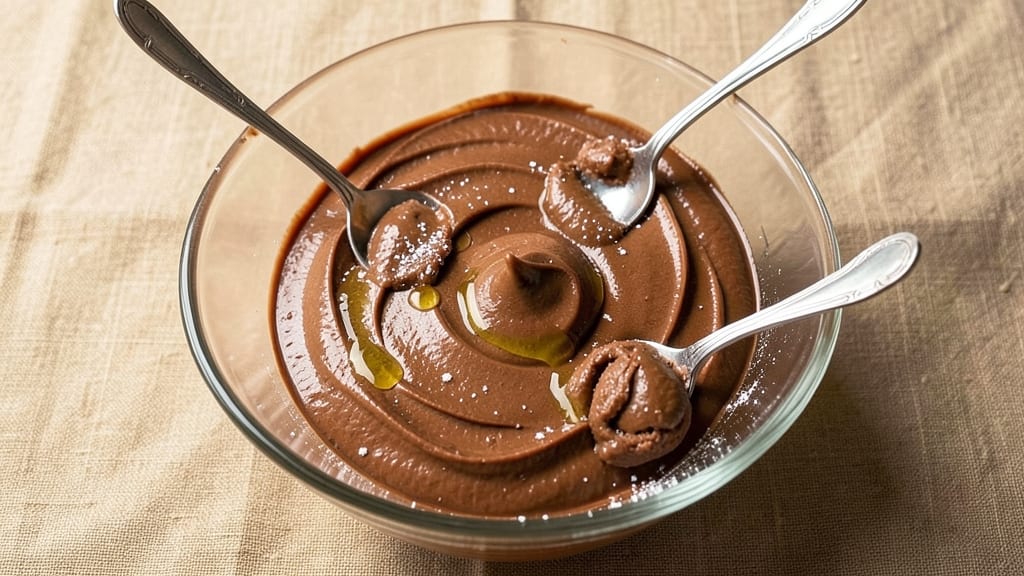
Creating a chocolate frosting recipe without butter that's rich, velvety, and perfectly spreadable is easier than you think—especially when you use coconut oil and vanilla extract for depth.
Standing on a step stool in my grandmother’s kitchen in Sicily, I learned how small ingredient swaps can transform a classic recipe, and this frosting proves it. The secret lies in the right balance of cocoa powder, oil, and a touch of acidity to brighten the chocolate flavor.
This version delivers all the decadence of traditional butter-based frosting without any dairy, making it ideal for vegan baking or those with dietary restrictions. The coconut oil adds a subtle sweetness while keeping the texture light and fluffy, and the vanilla extract enhances the chocolate’s natural richness.
What you’ll end up with is a smooth, glossy frosting that spreads effortlessly and pairs perfectly with cakes, cupcakes, or cookies.
What makes this recipe stand out is its foolproof consistency—no lumps, no graininess, just a silky finish that’s ready in under 10 minutes. The key is mixing the ingredients thoroughly and letting the frosting rest briefly before using, which allows the flavors to meld and the texture to perfect.
Whether you’re frosting a birthday cake or adding a finishing touch to homemade brownies, this frosting will elevate your desserts without the butter.
Store it in an airtight container in the refrigerator for up to a week, or freeze for longer shelf life. The versatility of this frosting makes it a must-have in your baking arsenal—rich enough for decadent treats but simple enough for everyday use. Let’s get started!
Ingredients for chocolate frosting recipe without butter
Eight simple ingredients transform into velvety chocolate frosting without butter or dairy.
| Ingredient | Amount | Notes |
|---|---|---|
| Unsweetened Cocoa Powder 🍫 | ¾ cup | High-quality Dutch-processed preferred |
| Refined Coconut Oil 🥥 | ½ cup | Solid at room temperature |
| Pure Vanilla Extract 🌿 | 1 tbsp | Bottled for at least 6 months |
| Powdered Sugar 🍚 | 2 cups | Sifted for smooth texture |
| Plant-Based Milk 🥛 | ¼ cup | Almond or oat milk works best |
| Lemon Juice 🍋 | ½ tbsp | Freshly squeezed for brightness |
| Salt 🧂 | ¼ tsp | Fine sea salt preferred |
| Xanthan Gum 🧪 | ¼ tsp | Ensures silky consistency |
The cocoa powder is non-negotiable—Hershey's Special Dark or Ghirardelli are my go-tos for deep flavor. If you're using natural cocoa, expect a slightly bitter taste unless you balance it with extra vanilla. Coconut oil should be refined (not virgin) for neutral flavor and smooth texture. Trader Joe's sells it in bulk, which is perfect for baking. For the vanilla, McCormick or Bouchard are reliable brands—cheaper versions can taste like alcohol. The powdered sugar? Domino is fine, but if you want to splurge, C&H is ultra-fine and dissolves better.
No coconut oil? Avocado oil or refined sunflower oil work in a pinch, but coconut's subtle sweetness is ideal. Short on vanilla? Vanilla bean paste adds specks and extra flavor. The plant-based milk can be swapped for applesauce or aquafaba (chickpea brine) for a lighter texture, but milk keeps it rich. If you're avoiding xanthan gum, 1 tbsp cornstarch is a decent substitute, though the texture won't be quite as silky. For the lemon juice, bottled works, but fresh adds a brighter tang that cuts through the chocolate's intensity.
This frosting keeps beautifully—1 week in the fridge or 3 months in the freezer. For easy spreading, let it sit at room temperature for 10 minutes before using. I like to store it in a glass jar with a silicone lid to prevent sticking. If it hardens in the fridge, microwave for 10-15 seconds to soften. The lemon juice helps preserve freshness, so don't skip it even if you're not a fan of citrus notes.
Why You'll Love This Recipe
- No-Mess Mixing: I swear by the five-minute hand-whisk method—just dump everything in a bowl and stir until it’s silky. No stand mixer, no butter to melt, just pure, effortless blending that still gives that ultra-smooth texture.
- Rich Without Butter: The coconut oil adds a velvety depth while keeping it dairy-free, and that first spoonful? It’s like biting into a decadent brownie’s soul—deep, slightly tangy, and just sweet enough to make you pause.
- Crowd-Pleaser Flex: Slather it on cupcakes, drizzle over pancakes, or spread it between cookies—it’s the ultimate neutral canvas. Even my picky plant-based friends ask for seconds, and honestly, that’s the real win.
- Leftovers That Last: This frosting keeps for weeks in the fridge, and it’s the perfect make-ahead treat. I double the batch for birthdays, then use the rest on toast or as a quick dessert fix—no waste, all flavor.
Step-by-step instructions for chocolate frosting without butter
This rich, velvety frosting comes together in minutes using simple pantry staples.
Melt the Coconut Oil
Place the 0.5 cup refined coconut oil in a microwave-safe bowl and melt it in 30-second intervals, stirring between each, until completely liquid. You want it warm but not hot—just enough to blend smoothly. If using solid coconut oil, this step ensures it incorporates perfectly into the frosting without any graininess.
I like to test the temperature by drizzling a tiny amount onto my wrist—it should feel warm but not hot enough to cause discomfort. This warmth helps the other ingredients blend together seamlessly, creating that signature smooth texture you'd expect from butter-based frostings.
Whisk Together Dry Ingredients
In a medium bowl, sift together the 2 cups powdered sugar, 0.75 cup unsweetened cocoa powder, 0.25 tsp salt, and 0.25 tsp xanthan gum. The xanthan gum is key here—it acts as a stabilizer, giving this oil-based frosting that professional, pipeable consistency. Whisk until completely combined and no lumps remain.
This step prevents any gritty texture from the cocoa powder or sugar. I like to press the mixture through a fine-mesh sieve into the bowl to ensure everything is perfectly smooth. The powdered sugar should look like a fine, silky cloud at this stage.
Combine Wet Ingredients
In a separate small bowl, whisk together the 0.25 cup plant-based milk, 0.5 tbsp lemon juice, and 1 tbsp pure vanilla extract. The lemon juice brightens the chocolate flavor while adding just enough acidity to balance the sweetness. Let this mixture sit for 1 minute while you prepare the next step—this allows the vanilla to fully infuse and the lemon to mellow slightly.
I always use freshly squeezed lemon juice here—it makes a noticeable difference in flavor compared to bottled versions. The plant-based milk adds creaminess without the richness of dairy, keeping this frosting vegan-friendly while still achieving that luscious texture.
Blend Everything Together
Pour the melted coconut oil into the dry ingredients and whisk vigorously for 1-2 minutes until fully incorporated. The mixture will look crumbly at first, but keep whisking—it will gradually come together. Then, slowly drizzle in the wet ingredient mixture while continuing to whisk.
This is where the magic happens. The xanthan gum begins to activate, thickening the frosting as you work. You'll notice it transform from a dry powder into a smooth, spreadable consistency. If it's too thick, add 1 teaspoon of plant-based milk at a time until it reaches your desired texture—it should be thick enough to hold its shape but still pipeable.
Adjust and Use Immediately
Taste and adjust sweetness if needed—you can add more powdered sugar 1 tablespoon at a time until perfect. The frosting should be rich but not overpowering. Let it sit for 5 minutes at room temperature to thicken slightly before using. This resting period allows all the flavors to meld together and the texture to set properly.
This frosting works beautifully on cakes, cupcakes, or even as a filling for brownies. I've found it keeps well in the refrigerator for up to 5 days, though I always use it fresh when possible. The coconut oil gives it a subtle tropical note that pairs perfectly with chocolate, making it more interesting than standard butter-based frostings.
Pro Tips For Making Chocolate Frosting Recipe Without Butter
- Melt the Coconut Oil Slowly: I learned this the hard way—dumping cold coconut oil straight into hot milk turns your frosting into a greasy mess. Warm the coconut oil in a separate bowl over simmering water (double boiler) until fully liquid but not smoking, then whisk it into the milk. That way, it blends smoothly without seizing up your mixture.
- Sift the Cocoa Powder First: Clumps in cocoa powder are the silent frosting killer. Before measuring, run the cocoa through a fine-mesh sieve directly into your bowl—no need to wash it afterward. This ensures a silky texture instead of grainy lumps that ruin the whole batch. (Yes, even if you’re impatient like me.)
- Add Milk Gradually: I used to pour all the plant-based milk in at once, and the result was always too runny. Instead, whisk in the milk 1 tablespoon at a time after mixing the cocoa and powdered sugar. You’ll hit the perfect consistency faster, and no last-minute scrambling to thicken it.
- Chill the Bowl Before Mixing: Cold tools matter more than you’d think. Place your mixing bowl in the freezer for 5 minutes before starting—it helps the powdered sugar and cocoa powder dissolve more evenly when you add the warm coconut oil mixture. Skipping this step means fighting clumps the whole time.
Best sauces and condiments for this recipe
Vegan Chocolate Ganache
For a luxurious, glossy topping, try a vegan chocolate ganache made with ½ cup coconut cream (chilled overnight) and ½ cup chopped vegan dark chocolate (like Enjoy Life brand). Heat the coconut cream in 20-second bursts until just melted, then pour over the chocolate.
Let sit for 5 minutes before whisking until silky smooth. Drizzle over your frosting for a restaurant-quality finish. 🍫
Spiced Orange Glaze
Brighten your frosting with a citrusy glaze by mixing ½ cup powdered sugar, 1 tbsp fresh orange juice, and ½ tsp ground cinnamon. Add a pinch of salt to enhance the flavors.
Drizzle over cooled desserts or swirl into the frosting for a zesty contrast. I love this pairing with chocolate—it’s like a Sicilian lemon granita meets frosting. 🍊
Espresso-Infused Drizzle
For coffee lovers, steep 1 tbsp finely ground espresso in 2 tbsp hot water for 5 minutes, then strain. Mix with ½ cup powdered sugar and drizzle over frosting or cakes.
The espresso deepens the chocolate flavor without overpowering it. I keep a small jar of instant espresso in my pantry just for this trick. ☕
Peanut Butter Swirl
Add a creamy swirl by mixing ¼ cup creamy peanut butter (like Skippy Natural) with 1 tbsp coconut oil until smooth. Drop spoonfuls onto your frosting and swirl with a knife for a marbled effect.
This combo is a nod to classic Reece’s peanut butter cups but with a vegan twist. 🥜
Sea Salt Crunch
Finish with a sprinkle of flaky sea salt (like Maldon) for a sophisticated touch. The salt cuts through the sweetness and adds texture. I like to sprinkle it immediately after frosting while the surface is still slightly tacky.
This is a trick I learned from my Nonna—she’d always finish her cannoli with a pinch of salt. 🧂
Coconut Whipped Cream
For a lighter contrast, whip ½ cup chilled coconut cream (the thick part from a can of full-fat coconut milk) with 1 tsp powdered sugar until fluffy.
Pipe alongside the frosting or dollop on top. The tropical notes complement the chocolate beautifully, and it’s a great way to use up leftover coconut cream. 🥥
Nutrition facts
Frequently asked questions
Can I use vegetable oil instead of coconut oil in this frosting?
Yes, you can substitute ½ cup refined vegetable oil (like sunflower or avocado oil) for the coconut oil. The texture will be slightly less rich, but it will still create a smooth frosting. Just be mindful that vegetable oils may have a more neutral flavor, so the chocolate's depth will be the star here.
Why does my frosting turn grainy or lumpy?
Graininess usually happens if the coconut oil isn't fully melted or if the dry ingredients aren't sifted properly. Make sure to melt the oil completely (no solid chunks) and whisk the dry ingredients until they're completely smooth. If lumps appear after mixing, press the frosting through a fine-mesh sieve for a silky finish.
How do I make this frosting thicker or thinner?
For a thicker frosting, add 1 tablespoon of powdered sugar at a time until it reaches your desired consistency. If it's too thick, thin it with ½ teaspoon of plant-based milk or a splash of water. The frosting should be spreadable but hold its shape when piped—like a thick pudding.
Can I use this frosting for piping decorations?
This frosting is perfect for piping. Let it rest for 5-10 minutes at room temperature to thicken slightly, then transfer it to a piping bag with a star tip. The xanthan gum gives it the stability needed for rosettes, borders, and other decorative shapes.
What’s the best way to store leftover frosting?
Store it in an airtight container in the refrigerator for up to 1 week. To use, let it sit at room temperature for 10 minutes or microwave for 10-15 seconds to soften. Avoid freezing, as it can alter the texture—though if you must, thaw it in the fridge overnight.