
Desserts
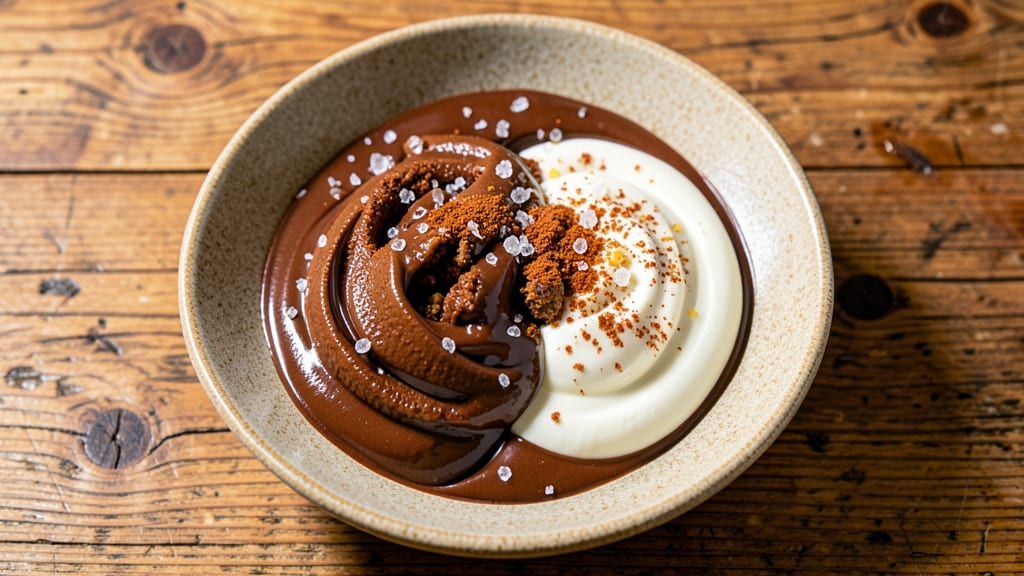
This chocolate caje recipe brings the comforting warmth of Filipino desserts to your kitchen with its signature spiced crunch and molten chocolate rivers. The secret lies in caje pulp—a rare ingredient with a nutty, caramel-like flavor that pairs perfectly with rich dark chocolate and coconut milk.
I first discovered it during a visit to a local bakery in Manila, where the aroma of toasted caje and chocolate filled the air, creating an irresistible contrast of textures.
The recipe combines simple ingredients—caje pulp, chocolate, coconut milk, and a touch of cinnamon—to create a dessert that’s both elegant and approachable. The caje pulp adds a delicate crunch, while the melted chocolate creates those signature rivers that make every bite feel indulgent.
What sets this apart is the balance of warmth from the spices and the cool creaminess of the coconut, making it a dessert that feels like a hug.
What you’ll achieve is a dessert that’s rich yet not overly sweet, with a satisfying crunch that gives way to velvety chocolate layers. The spiced notes from cinnamon and cloves add depth, while the toasted caje brings a subtle nuttiness that elevates the chocolate.
Perfect for special occasions or as a comforting treat, this recipe captures the essence of Filipino baking with professional results.
Once you’ve mastered the technique, you can adapt it for different occasions—serve it chilled for a refreshing dessert or warm it slightly for a cozy, spiced experience.
The key is patience in toasting the caje and tempering the chocolate to ensure those perfect molten rivers. Let’s get started on creating this authentic Filipino classic.
Ingredients for chocolate caje
Toasted caje pulp meets rich chocolate in this Filipino-inspired dessert with spiced crunch and molten rivers.
| Ingredient | Amount | Notes |
|---|---|---|
| Caje Pulp 🌰 | 1 ½ cups | Toasted lightly for nutty flavor |
| Dark Chocolate Bars 🍫 | 12 oz | 70% cocoa, chopped into chunks |
| Coconut Milk 🥥 | 1 ½ cups | Full-fat canned, unsweetened |
| Unsalted Butter 🧈 | ½ cup | Cold, cubed for tempering |
| Granulated Sugar 🍚 | ¼ cup | Light brown preferred for depth |
| Ground Cinnamon 🌿 | 1 ½ tsp | Freshly ground for warmth |
| Ground Cloves 🌶️ | ½ tsp | Lightly toasted for aroma |
| Sea Salt 🧂 | ½ tsp | Fine grain for balance |
| Heavy Cream 🥛 | ½ cup | Chilled for stability |
| Toasted Coconut Flakes 🥥 | ¼ cup | For topping, lightly browned |
| Vanilla Extract 🌸 | 1 tsp | Pure, high-quality preferred |
| All-Purpose Flour 🌾 | 2 tbsp | For dusting, if needed |
The caje pulp is the heart of this recipe—its nutty, caramel-like flavor transforms when toasted. Filipino specialty stores or online retailers like Filipino Mart carry authentic caje pulp, but if unavailable, toasted coconut flakes mixed with a pinch of cinnamon can mimic the texture. Look for vibrant, light-brown pulp with no grayish tint—this indicates freshness. Toast it lightly in a dry pan until fragrant (about 2-3 minutes), then cool completely before using. The dark chocolate bars should be at least 70% cocoa for that deep, bittersweet contrast that pairs perfectly with the caje's sweetness.
No caje pulp? Toasted pecans or hazelnuts work as a crunchy substitute, though the flavor won't be identical. For the chocolate, Valrhona or Ghirardelli brands deliver consistent quality, but any high-cocoa dark chocolate will do. The coconut milk must be full-fat—no light versions. If you're short on cloves, a pinch of nutmeg or allspice can add warmth, but cloves' distinct aroma is irreplaceable. The butter and heavy cream should be cold when measuring to ensure proper tempering later—never use melted butter. For a vegan option, swap butter for coconut oil and use coconut cream instead of heavy cream.
Toasted caje pulp keeps in an airtight container for up to 2 weeks at room temperature, while the chocolate should stay sealed in a cool, dark place for up to 6 months. Pre-measure all spices into a small jar for easy access during baking. This dessert holds well for 3-4 days in the fridge, though the chocolate rivers soften slightly over time. For serving, chill for at least 2 hours before slicing to maintain those perfect molten rivers. Freeze portions for up to 1 month—thaw at room temperature before serving.
Why You'll Love This Recipe
- Five-Ingredient Magic: I swear by this recipe—just melt chocolate, fold in caje pulp, and stir in coconut milk. No fancy techniques, no stress, and honestly, that’s all it takes.
- Tropical Chocolate Bliss: The caje pulp gives it this bright, citrusy kick that cuts through the richness of the dark chocolate. It’s like a vacation in every bite—sweet, tangy, and totally unexpected.
- Dessert or Breakfast Hero: I’ve had it as a decadent pudding after dinner or spooned over yogurt for a quick breakfast. The texture’s thick enough to stand alone but works with anything you throw at it.
- Leftovers That Don’t Let You Down: This stuff keeps beautifully in the fridge for days, and reheating it just makes it creamier. Between us, I’ve microwaved portions straight from the fridge for lazy mornings—no judgment.
Step-by-step instructions for chocolate caje recipe
Here's how to create a rich, spiced dessert with perfect texture and molten chocolate rivers.
Toast the Caje Pulp and Prepare the Base
In a dry skillet over medium heat, lightly toast the 1.5 cups caje pulp for 2-3 minutes until fragrant and slightly darker in color. This step enhances the nutty flavor without burning. Transfer the toasted caje pulp to a mixing bowl and set aside.
In a separate saucepan, combine the 1.5 cups coconut milk, 0.5 cup unsalted butter, and 0.25 cup granulated sugar. Warm over medium-low heat until the butter melts completely and the mixture reaches 180°F. This creates a smooth foundation that will later incorporate the chocolate.
Infuse with Spices and Chocolate
Add the 1.5 tsp ground cinnamon, 0.5 tsp ground cloves, and 0.5 tsp sea salt to the warm coconut milk mixture. Stir constantly for 1-2 minutes until the spices are fully dissolved and the liquid is fragrant. Remove from heat and let it steep for 5 minutes to deepen the flavor.
While the spiced milk cools slightly, chop the 12 oz dark chocolate bars into ½-inch chunks. Once the spiced milk reaches 160°F, gradually add the chocolate chunks while stirring gently. Allow the mixture to sit undisturbed for 1 minute to let the chocolate melt completely before stirring again. This prevents graininess in the final texture.
Temper the Mixture and Incorporate Caje
Reduce the heat to low and stir in the 1 tsp vanilla extract and the toasted 1.5 cups caje pulp. Cook for an additional 3-4 minutes until the caje pulp is fully coated and the mixture thickens slightly. You're looking for a consistency similar to pudding—thick enough to coat the back of a spoon but still pourable.
In a separate small bowl, whisk together the 0.5 cup heavy cream and 2 tbsp all-purpose flour until smooth. Slowly pour this mixture into the chocolate-caje blend while whisking continuously. Return to low heat and cook for 2-3 minutes until the sauce thickens further and becomes glossy. This step ensures a stable texture that won't separate when chilled.
Assemble and Finish
Divide the chocolate-caje mixture evenly among 6 serving dishes or ramekins. Smooth the tops with a spatula and refrigerate for at least 2 hours or until set but still slightly jiggly in the center. The contrast between the firm exterior and molten center is what makes this dessert special.
Just before serving, top each portion with 1 tablespoon toasted coconut flakes. Warm the dishes for 10-15 seconds in the microwave to create those signature molten chocolate rivers. Serve immediately while the centers remain soft and gooey. The combination of warm spices, nutty caje, and rich chocolate creates a complex flavor profile that balances sweetness with depth.
Pro Tips For Making Chocolate Caje
- Melt Chocolate Slowly: If you dump chopped chocolate into hot coconut milk, it’ll seize into clumps—trust me, I’ve done it. Instead, cut the dark chocolate into tiny pieces (like rice grains) and fold them into the warm (not boiling) milk while stirring constantly. The goal is a silky sauce, not a science experiment.
- Strain the Caje Pulp: Caje pulp is fibrous, and if you don’t strain it, you’ll end up with a gritty, unappetizing texture. After blending the pulp with coconut milk, press it through a fine-mesh sieve or cheesecloth. Yes, it’s messy, but your mouth will notice the difference—smoothness matters in this dessert.
- Don’t Rush the Butter: When adding butter at the end, heat it just until it melts into the chocolate mixture, then remove from heat immediately. If you let it bubble or overheat, the butter will scorch and turn the whole thing bitter. Think "warm, not hot"—like a good cup of tea, not boiling water.
- Sweeten to Balance: Taste your mixture before adding all the sugar. Caje pulp is tart, and dark chocolate is bitter—you might only need half the sugar called for. Start with 2 tablespoons, let it sit for 10 minutes, then adjust. Your palate will thank you, and you’ll avoid a cloyingly sweet disaster.
Storing and reheating your chocolate caje
Refrigerator Storage
Store your Chocolate Caje dessert in an airtight container with parchment paper between layers to prevent sticking. The rich chocolate and coconut base stays fresh for up to 5 days when refrigerated at 40°F or below.
The caje pulp's natural oils help preserve texture, but I still recommend covering it completely to avoid drying. For best results, let it sit at room temperature for 30 minutes before serving to soften slightly. 🥄
Freezer Preparation
Portion the dessert into individual ramekins or silicone molds before freezing for easy serving later. Wrap each portion tightly with plastic wrap, then place in a freezer bag with all air removed to prevent freezer burn.
This keeps it fresh for up to 2 months while maintaining the chocolate's smooth texture. Thaw in the fridge overnight for perfect consistency. I find freezing works best when the dessert is fully set before portioning. ❄️
Reheating for Warm Serving
For a warm dessert experience, microwave individual portions on low power (50%) for 10-15 seconds just before serving. This gently heats the chocolate without melting it completely, creating those signature rivers when you cut in.
Alternatively, warm the ramekins in a 200°F oven for 5-7 minutes for a more even heat distribution. Always serve immediately after reheating to preserve the molten texture. 🔥
Thawing Techniques
Transfer frozen Chocolate Caje from the freezer to the refrigerator 8-12 hours before serving to thaw gradually. This prevents condensation that can make the texture soggy.
For quicker thawing, place the sealed container in cold water for 30-45 minutes, then let it sit at room temperature for another 15 minutes. Never microwave frozen portions directly—this creates uneven textures and can scorch the chocolate. 💧
Texture Preservation
The key to maintaining the perfect texture after storage is controlling moisture. If your dessert seems too firm after refrigeration, let it sit at room temperature for 10 minutes before serving. For freezer-thawed versions, add 1 teaspoon coconut milk to each portion while reheating to restore creaminess.
The toasted caje pulp stays crunchy through freezing, but the chocolate may soften slightly—this is normal and enhances the dessert's luxurious feel. ✨
Serving After Storage
Always top with toasted coconut flakes just before serving, even if previously topped. The fresh toasted flavor contrasts beautifully with the stored dessert's rich chocolate notes. For a restaurant-style presentation, garnish with a sprinkle of cinnamon or a few chocolate shavings made with a microplane.
Serve with a side of vanilla ice cream or whipped coconut cream to complement the dessert's warm-spiced profile. 🍽️
Nutrition facts
Frequently asked questions
What's the secret to getting those perfect molten chocolate rivers?
Chill the dessert for at least 2 hours until set but still slightly jiggly. Just before serving, microwave each portion for 10-15 seconds on low power (50%)—this creates the heat contrast that makes the chocolate melt beautifully when cut. The key is serving immediately after reheating to maintain that signature texture.
Can I substitute caje pulp if I can't find it?
Yes! For a similar crunch, use toasted pecans or hazelnuts (about 1.5 cups total). For flavor, mix in 1 teaspoon cinnamon and ½ teaspoon vanilla extract to mimic caje's nutty warmth. The texture won't be identical, but it'll still taste delicious with the chocolate and coconut base.
How do I prevent the chocolate from seizing up or getting grainy?
Never let the spiced milk boil—keep it at 160°F or below when adding chocolate. Stir gently and let the chocolate melt undisturbed for 1 minute before mixing. Also, ensure your chocolate is high-quality (70% cocoa or higher) and finely chopped. The flour-heavy cream mixture helps stabilize the texture too.
Is this dessert suitable for vegan diets?
With simple swaps, absolutely! Replace the butter with coconut oil, use coconut cream instead of heavy cream, and opt for vegan dark chocolate. The toasted caje pulp remains vegan-friendly as long as it's pure fruit-based. The flavor profile stays rich and satisfying with these adjustments.
Can I make this ahead for a party?
Perfect for prepping! Assemble the dessert 1 day ahead and refrigerate. For serving, simply reheat individual portions for 10-15 seconds to create the molten effect. Store in airtight containers with parchment between layers to prevent sticking. The flavors actually deepen overnight!