
Main Courses
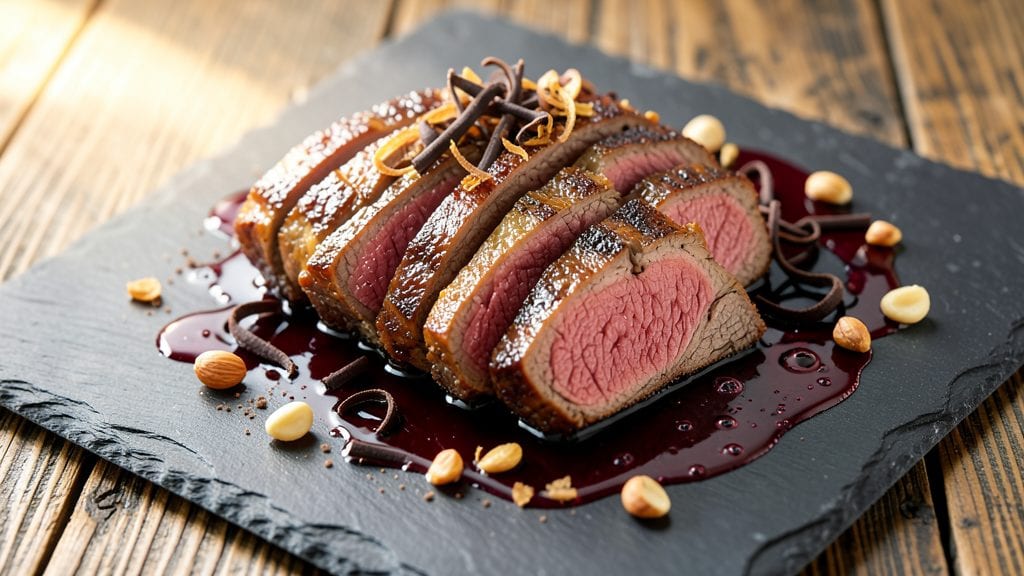
This beef and chocolate recipe transforms a classic pairing into a sophisticated dinner that surprises with every bite. The rich, velvety chocolate sauce balances perfectly with tender beef, creating a fusion of sweet and savory that feels both indulgent and refined.
I developed this dish after experimenting with umami-rich ingredients like soy sauce and dark chocolate to bridge the gap between dessert and dinner.
The key to success lies in the slow-braised beef, which becomes fork-tender while absorbing deep, caramelized flavors. Meanwhile, the chocolate sauce—made with high-quality dark chocolate and a touch of red wine—adds a luxurious sweetness that enhances rather than overpowers the meat.
This isn’t just a dessert masquerading as a main course; it’s a restaurant-worthy dish that delivers complex layers of flavor.
Imagine perfectly seared beef slices topped with a glossy, dark chocolate glaze that’s slightly tangy and rich, served over creamy mashed potatoes or a bed of wild rice. The contrast of textures—tender beef, smooth sauce, and velvety sides—makes every bite unforgettable.
The presentation is just as important as the taste, so we’ll focus on plating techniques that elevate this dish from impressive to showstopping.
Whether you’re hosting a dinner party or treating yourself to something extraordinary, this recipe delivers bold flavors without sacrificing balance. The combination of beef and chocolate might sound unusual, but the careful harmony of ingredients makes it irresistibly delicious. Let’s get cooking—this dinner will leave everyone asking for seconds.
Ingredients for beef and chocolate
Rich umami meets decadent sweetness—this fusion dinner starts with premium beef and artisanal chocolate.
| Ingredient | Amount | Notes |
|---|---|---|
| Beef Chuck Roast 🥩 | 2 lb | Center-cut for even cooking |
| Dark Chocolate Bars 🍫 | 8 oz | 70% cacao minimum, finely chopped |
| Red Wine 🍷 | ½ cup | Bold cabernet or merlot, dry |
| Beef Broth 💧 | 2 cups | Homemade or high-quality store-bought |
| Soy Sauce 🍶 | 2 tbsp | Japanese-style, not low-sodium |
| Garlic Cloves 🧄 | 6 cloves | Minced, fresh preferred |
| Yellow Onion 🧅 | 1 whole | Diced, yellow or red |
| Carrots 🥕 | 2 whole | Peeled, sliced into rounds |
| Tomato Paste 🍅 | 2 tbsp | Smooth, not chunky |
| Balsamic Vinegar 🍷 | 1 tbsp | Aged, for depth of flavor |
| Olive Oil 🫒 | 2 tbsp | Extra-virgin, for searing |
| Unsalted Butter 🧈 | 2 tbsp | Cold, cut into small cubes |
| Honey 🍯 | 1 tbsp | Wildflower preferred |
| Thyme Leaves 🌿 | 1 tbsp | Fresh, chopped, or 1 tsp dried |
| Bay Leaves 🍃 | 2 whole | Dried, removed before serving |
| Salt 🧂 | 1 ½ tsp | Diamond Crystal kosher |
| Black Peppercorns 🌶️ | ½ tsp | Freshly cracked |
The beef chuck roast is non-negotiable for texture—center-cut pieces stay tender without turning mushy. Source from a butcher or Whole Foods for optimal marbling. If using pre-cut, trim excess fat to ¼-inch thickness for even cooking. For chocolate, Valrhona or Ghirardelli 70% bars deliver the best balance of bitterness and richness—avoid anything below 60% cacao. The red wine should be bold enough to stand up to the beef; Caymus cabernet or Louis M. Martini merlot are excellent choices. Store wine in a cool, dark place until ready to use, and open the bottle 2 hours before cooking to allow flavors to unfurl.
No dark chocolate? Semisweet chocolate chips work in a pinch, but reduce to 6 oz for equivalent richness. Substitute red wine with 2 cups beef broth plus 1 tbsp balsamic vinegar—the acidity bridges the sweet-savory gap. Fresh thyme unavailable? Dried thyme at one-third the amount suffices, but toast it in a dry pan for 30 seconds to intensify flavor. For the soy sauce, Kikkoman or La Choy provide the right umami depth without overpowering. The tomato paste can be replaced with 2 tbsp tomato sauce if needed, though it lacks the concentrated sweetness. Prefer a smoother sauce? Blend the finished sauce for 10 seconds after cooking.
Beef braises best when prepped ahead—sear the roast first, then refrigerate overnight with aromatics for deeper flavor penetration. The chocolate sauce keeps for 5 days in the fridge, stored in an airtight container with a thin layer of olive oil on top to prevent oxidation. Freeze portions in ice cube trays for single-use servings. For the beef, reheat gently in the sauce over low heat to maintain moisture—never microwave. Leftovers reheat beautifully, with flavors becoming even more harmonious after 24 hours of resting. Serve over creamy mashed potatoes or wild rice to complement the dish’s luxurious profile.
Why You'll Love This Recipe
- One-Pot Magic: I swear by this recipe when I’m too tired to dirty three pans. The chuck roast goes in raw, the wine and broth deglaze everything in one pot, and by the time the chocolate melts into a glossy sauce, I’ve already saved myself 20 minutes of scrubbing.
- Unexpected Richness: Between us, I never thought beef and dark chocolate would work—but the red wine cuts through the bitterness, and the soy sauce adds this deep, savory umami that makes the sauce ridiculously good. It’s like a fancy steakhouse bite, but with less fuss.
- Weeknight to Dinner Party: Honestly, this feeds a crowd without stress. Use the leftovers for sandwiches the next day (yes, really), or serve it with crusty bread at your next book club meetup—no one will guess it’s a weeknight-friendly hack.
- Budget-Friendly Luxury: A chuck roast stretches for days, and dark chocolate bars are cheaper than you’d think. I’ve made this for under $15 per serving, and it still tastes like I splurged on a steak dinner. (My wallet thanks me.)
Step-by-step instructions for beef and chocolate fusion dinner
Master this bold technique combining deep umami with rich chocolate intensity.
Sear the Beef Chuck Roast for Maximum Flavor
Pat the 2 lb beef chuck roast completely dry with paper towels—this ensures a perfect crust. Heat the 2 tbsp olive oil in a heavy Dutch oven over medium-high heat until shimmering. Place the roast fat-side down and sear for 5 minutes without moving, pressing gently with a spatula to maintain contact. Flip and sear the other side for another 5 minutes until deep golden brown.
Remove the roast and set it aside. The goal here is to develop a rich, caramelized crust that will form the flavor foundation for the entire dish. If you notice the oil smoking excessively, reduce the heat slightly—you want a steady sizzle, not a flare-up. The roast should release easily from the pan when ready to flip.
Build the Chocolate-Umami Base
In the same Dutch oven, add the 2 tbsp unsalted butter and let it melt over medium heat. Add the diced 1 whole yellow onion and sliced 2 whole carrots, cooking for 5 minutes until softened. Stir in the minced 6 cloves garlic and cook for 30 seconds until fragrant.
Add the 2 tbsp tomato paste and cook for 1 minute to deepen the flavor. Pour in the 0.5 cup red wine, scraping up any browned bits from the bottom of the pan. Let the wine reduce by half before adding the 2 cups beef broth, 2 tbsp soy sauce, 1 tbsp balsamic vinegar, 1 tbsp honey, 1 tbsp thyme leaves, 2 whole bay leaves, 1.5 tsp salt, and 0.5 tsp cracked black peppercorns.
Braise the Roast with Chocolate Infusion
Return the seared beef chuck roast to the Dutch oven, along with any accumulated juices. Bring the liquid to a simmer, then cover tightly with a lid. Transfer the pot to a preheated 325°F oven and braise for 2 to 2.5 hours, or until the beef is fork-tender and easily pulls apart.
After 1.5 hours, carefully remove the lid and stir in the 8 oz finely chopped dark chocolate bars. The chocolate will melt into the braising liquid, creating a velvety, slightly bitter contrast to the rich beef. Return the lid and continue braising until the meat reaches an internal temperature of 203°F. This step transforms the dish from a simple braise into something extraordinary.
Rest and Prepare the Sauce
Remove the beef roast from the pot and let it rest on a cutting board for 15 minutes. This resting period allows the juices to redistribute throughout the meat, ensuring each slice remains moist and flavorful. Skim any excess fat from the braising liquid and return it to the Dutch oven.
Simmer the sauce uncovered over medium heat for 10 minutes to reduce slightly and intensify the flavors. The chocolate should be fully incorporated, creating a glossy, deep brown sauce with a complex balance of sweet and savory notes. Taste and adjust seasoning if needed, adding a pinch more salt or a splash of red wine if necessary.
Slice and Serve the Fusion Masterpiece
Slice the beef chuck roast against the grain into ½-inch thick pieces. Return the slices to the Dutch oven with the sauce and heat through for 2 minutes. Ladle the beef and sauce over mashed potatoes, polenta, or crusty bread to serve. The contrast of tender, chocolate-infused beef with the creamy, neutral base creates a truly unforgettable dining experience.
This dish is best served immediately while the beef is still warm and the sauce maintains its velvety texture. The chocolate adds a subtle bitterness that cuts through the richness of the beef, while the braising liquid carries all the umami depth developed during the long cook. Each bite delivers a perfect balance of textures and flavors.
Pro Tips For Making Beef And Chocolate
- SEAR THE ROAST FIRST: I learned this the hard way—skipping the sear means your beef will taste like it’s been swimming in its own juices the whole time. Get that roast screaming hot in a dry pan for 3-4 minutes per side before adding anything. The crust locks in flavor and keeps the meat from turning into mushy shreds later.
- CHOP CHOCOLATE SMALL: Big chunks of chocolate? Forget it. You’ll end up with lumpy, uneven melting and a dish that looks like a science experiment gone wrong. Use a sharp knife or pulse in a food processor until it’s smaller than a pea—this ensures smooth, velvety integration into the sauce.
- DEGLAZE WITH WINE IMMEDIATELY: That browned beef fond at the bottom of your pot isn’t trash—it’s flavor gold. As soon as you remove the roast, pour in the red wine right away and let it bubble for 2 minutes. Scrape every last bit off the bottom, or you’ll miss half the depth of flavor in your sauce.
- DON’T BOIL THE BROTH: I used to crank the heat high to speed things up, and the broth would turn cloudy and bitter. Simmer it gently—just enough to keep tiny bubbles breaking the surface. This keeps the sauce rich and the chocolate from seizing up into grainy bits. Patience here makes all the difference.
Storing and reheating this recipe
Refrigerator Storage
Store the braised beef and chocolate sauce in an airtight container for up to 4 days in the refrigerator. The flavors actually deepen overnight as the chocolate and beef meld together—this is when the dish becomes truly magical.
I recommend using glass Pyrex containers with snap-on lids to maintain freshness and prevent odors from seeping in. 💫
Freezer-Friendly Tips
For longer storage, freeze the beef and sauce in single-serving portions for up to 3 months. Use quart-sized freezer bags and squeeze out excess air to prevent freezer burn.
Label each bag with the date and reheating instructions—this saves time later. Thaw overnight in the fridge before reheating for best results. ❄️
Gentle Reheating
Reheat beef and sauce together in a Dutch oven or heavy skillet over low heat for 10-15 minutes, stirring occasionally. Avoid microwaving, as it can make the sauce grainy and the beef dry.
If the sauce thickens too much, add 1-2 tbsp beef broth to restore its velvety texture. 🔥
Sauce Salvation
If the sauce separates after reheating, whisk in 1 tsp cornstarch mixed with 1 tbsp cold water to restore its glossy consistency. For extra richness, stir in 1 tbsp unsalted butter at the end. The chocolate sauce thickens as it cools, so reheat in short bursts if needed. 💡
Serving Suggestions
Serve reheated beef over creamy mashed potatoes or wild rice to complement the bold flavors. Garnish with chopped parsley or a sprinkle of flaky sea salt for a restaurant-worthy finish. The contrast of warm beef with cool sides elevates the dish to new heights. ✨
Make-Ahead Sauce
Prepare the chocolate sauce ahead of time and store it separately from the beef. Reheat the sauce alone for 5 minutes before combining with the beef—this ensures the chocolate stays smooth and luxurious. Prep the sauce the night before for a stress-free dinner party. 💛
Nutrition facts
Frequently asked questions
Why does chocolate work with beef?
The secret lies in balancing umami-rich ingredients (like soy sauce and red wine) with the subtle bitterness of dark chocolate. Chocolate's natural acidity cuts through the beef's richness, while its deep flavor enhances the braising liquid. The result is a complex harmony where the chocolate doesn't overpower—it elevates the dish's depth. Think of it as a sophisticated twist on mole sauce!
Can I use milk chocolate instead of dark?
Not recommended! Milk chocolate lacks the 70% cacao minimum needed for proper flavor balance—it'll make the sauce too sweet and cloying. If you're out of dark chocolate, use semisweet chocolate chips (60% cacao) but reduce to 6 oz total. The bitterness in dark chocolate is what creates that magical umami-sweet contrast.
How do I fix if the chocolate sauce gets grainy?
Simmer the sauce for 2-3 extra minutes with 1 tbsp cold water to restore smoothness. If that fails, whisk in ½ tsp cornstarch mixed with 1 tsp water until fully dissolved. For richness, stir in 1 tbsp butter at the end. The key is gentle heat—never boil the sauce after adding chocolate.
What's the best way to serve this dish?
Pair with creamy mashed potatoes or wild rice to balance the rich flavors. For presentation, arrange beef slices over the base, drizzle with sauce, and garnish with chopped parsley or flaky sea salt. Serve immediately while the sauce is glossy. The contrast of warm beef with cool sides makes it restaurant-worthy!
Can I make this ahead of time?
Braise the beef and sauce 1 day ahead—flavors deepen overnight. Store in an airtight container and reheat gently. For the sauce alone, prepare it 2 days ahead** and reheat separately before combining with beef. The chocolate stays smoothest when reheated slowly.