
Desserts
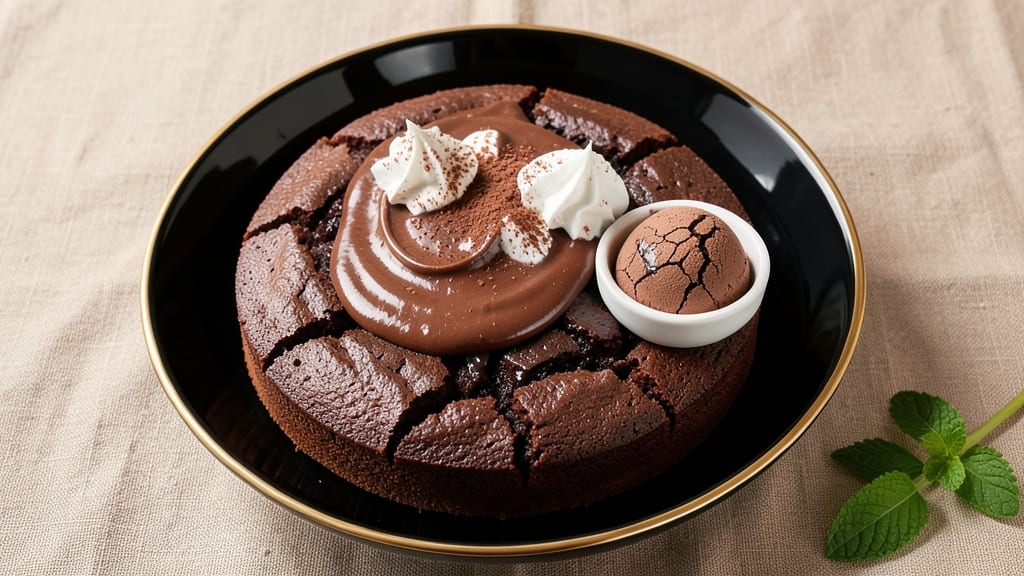
This baker's unsweetened chocolate cake delivers deep, bittersweet richness that satisfies chocolate lovers without cloying sweetness. The secret lies in balancing high-quality cocoa powder and unsweetened chocolate with just enough vanilla and espresso powder to enhance natural chocolate depth.
I developed this recipe after years of testing—too much sweetener masks the chocolate's complexity, while too little leaves it flat.
What sets this cake apart is its velvety texture and intense flavor profile, achieved through precise ingredient ratios and gentle folding techniques. The recipe uses cold butter for maximum flakiness and a single-layer approach that ensures even baking.
Professional bakers will appreciate the foolproof method that yields a moist yet tender crumb with a subtle crackly top.
By the time it emerges from the oven, you'll have a glossy, dark-chocolate masterpiece with layers of flavor that develop as it cools. The aroma alone transforms any kitchen into a bakery, and each slice reveals complex cocoa notes balanced by subtle bitterness.
This is the kind of cake that pairs beautifully with whipped cream or a dusting of powdered sugar for contrast.
Perfect for special occasions or when you crave chocolate's true essence, this recipe serves 8-10 and bakes in 35-40 minutes. The ingredients list is straightforward but requires attention to detail—every component plays a role in achieving that restaurant-quality depth. Let's get baking!
Ingredients for baker's unsweetened chocolate cake
Twelve precise ingredients transform into a velvety, bittersweet chocolate masterpiece with restaurant-quality depth.
| Ingredient | Amount | Notes |
|---|---|---|
| Unsweetened Dark Chocolate 🍫 | 8 oz | Valrhona or Guittard 70% cacao minimum |
| Natural Cocoa Powder 🍫 | ½ cup | Dutch-processed, high-fat content preferred |
| Unsalted Butter 🧈 | 1 cup | Cold, cubed, European-style preferred |
| Granulated Sugar 🍚 | ½ cup | Superfine preferred for even texture |
| Pure Vanilla Extract 🌿 | 1 tbsp | Bourbon or Madagascar preferred |
| Instant Espresso Powder ☕ | 1 tsp | Enhances chocolate depth without bitterness |
| All-Purpose Flour 🌾 | 1 ½ cups | Sifted, bleached preferred for tenderness |
| Baking Powder 🍞 | ½ tsp | Aluminum-free for optimal rise |
| Fine Sea Salt 🧂 | ¼ tsp | Diamond Crystal preferred |
| Large Eggs 🥚 | 2 whole | Room temperature, separated for stability |
| Egg Yolks 🥚 | 2 whole | From same carton as whites |
| Heavy Cream 🥛 | ¼ cup | Cold, for glossy finish |
The chocolate selection determines success. Valrhona or Guittard 70% cacao minimum delivers the necessary depth without overpowering bitterness. Natural cocoa powder (not Dutch-processed) provides vibrant color and enhanced chocolate flavor. European-style butter with 82% fat content creates superior flakiness—avoid margarine or low-fat alternatives. For the vanilla, Bourbon or Madagascar extract offers complex aromatic notes that complement the chocolate. The espresso powder (not instant coffee) adds subtle bitterness that enhances the chocolate's natural profile without adding sweetness. Source these ingredients from specialty baking suppliers like King Arthur Flour or Sur La Table for optimal quality.
Substitutions require careful consideration to maintain balance. Semisweet chocolate (60% cacao) can replace dark chocolate, but reduce by 1 ounce to maintain bitterness. Dutch-processed cocoa powder lacks acidity—use half natural, half Dutch-processed if that's all you have. For butter, European-style from Plugrá or President works best, though regular unsalted butter in a pinch maintains functionality. Vanilla bean paste can replace extract (use 1 tbsp), but pure extract delivers more consistent results. The heavy cream adds moisture and sheen—whipped cream or coconut cream won't provide the same texture or flavor. Baking powder must be fresh; if older than 6 months, replace with 0.25 tsp cream of tartar plus 0.25 tsp baking soda.
Proper storage extends freshness while preserving texture. Wrap the cake tightly in plastic wrap followed by aluminum foil to maintain moisture for up to 5 days at room temperature. For longer storage, freeze slices wrapped individually for up to 3 months. The butter should remain cold until ready to cream—refrigerate in an airtight container for up to 3 weeks. Cocoa powder and chocolate maintain quality for 6-12 months in a cool, dark pantry. Whipped egg whites lose volume after 2 hours at room temperature—prepare them last or store whites in the fridge for up to 2 days.
Why You'll Love This Recipe
- Here’s what sold me: that deep, bittersweet punch from the unsweetened chocolate and cocoa powder. The vanilla extract ties it all together, giving it a sophisticated warmth that still feels cozy—no artificial sweetness in sight.
- I’ll be real: good-quality dark chocolate and cocoa powder aren’t cheap, but this recipe stretches them far. A single cake feeds six with leftovers that taste just as good the next day—no sad, dry slices here. Plus, butter and sugar are pantry staples.
Step-by-step instructions for baker's unsweetened chocolate cake
This method delivers a dense, fudgy chocolate cake with deep cocoa richness—no sweetness needed.
Melt Chocolate and Butter for a Smooth Base
In a heatproof bowl set over a pot of simmering water, combine the 8 oz unsweetened dark chocolate and 1 cup unsalted butter. Stir gently until fully melted and smooth—this should take about 5 minutes. Remove from heat and let cool slightly to 110°F. The mixture should thicken slightly but remain pourable.
I like to use a thermometer here because chocolate can seize if it gets too hot. If the mixture looks grainy, strain it through a fine-mesh sieve to ensure silky texture. Let it cool to this precise temperature before proceeding—this prevents curdling when you add the eggs later.
Whisk Eggs and Yolks with Sugar and Espresso
In a separate large bowl, whisk together the 2 whole large eggs, 2 whole egg yolks, 0.5 cup granulated sugar, 1 tbsp pure vanilla extract, and 1 tsp instant espresso powder until the mixture is pale, thick, and nearly tripled in volume—about 3-4 minutes of vigorous whisking. This step incorporates air for a lighter texture while the espresso enhances chocolate depth.
I always use room-temperature eggs for this recipe—they emulsify better and create a smoother batter. If your eggs are cold, whisk them briefly to warm them up before combining with the other ingredients. The mixture should coat the back of a spoon but still flow freely when poured.
Combine Wet and Dry Ingredients Gently
Gradually pour the melted chocolate mixture into the egg mixture while whisking constantly on low speed. Scrape the bowl with a rubber spatula to ensure even distribution. In a separate bowl, sift together the 0.5 cup natural cocoa powder, 1.5 cups all-purpose flour, 0.5 tsp baking powder, and 0.25 tsp fine sea salt. Add the dry ingredients to the wet mixture in three additions, folding gently with a spatula after each addition.
This folding technique prevents overmixing, which develops gluten and makes the cake dense. The batter should be thick but still able to coat the spatula—if it's too stiff, you may need to add 1-2 tablespoons of heavy cream to loosen it. The final batter should have a velvety, fudgy appearance with no visible streaks of flour.
Fold in Heavy Cream for Moisture and Gloss
Gently fold in the 0.25 cup cold heavy cream using a spatula until just combined. The cream adds moisture and creates a glossy finish while keeping the cake tender. Be careful not to overmix—just until the cream is evenly distributed throughout the batter. The mixture should be thick but still pourable.
This is where the cake's signature texture comes together. The cold cream prevents the chocolate from cooking too quickly, allowing it to develop that signature dense, fudgy crumb. Let the batter rest for 10 minutes at room temperature before baking—this allows the flour to fully hydrate and the eggs to stabilize.
Bake in Two Layers for Even Cooking
Divide the batter evenly between two 8-inch round cake pans lined with parchment paper. Smooth the tops with a spatula. Bake in a preheated 350°F oven for 30-35 minutes, until a toothpick inserted in the center comes out with moist crumbs but no wet batter. Rotate the pans halfway through baking for even browning.
The cake should spring back slightly when pressed in the center and have a deep chocolate aroma. Avoid overbaking—this cake continues to set as it cools. Let the cakes cool in the pans for 15 minutes, then transfer to a wire rack to cool completely before assembling. The internal temperature should be below 90°F before frosting or filling.
Pro Tips For Making Baker'S Unsweetened Chocolate Cake
- Melt Chocolate Slowly: I learned this the hard way—dumping chopped chocolate into hot butter and expecting it to melt evenly is a recipe for lumps. Instead, use a double boiler (or a heatproof bowl over simmering water) and stir constantly until the chocolate reaches 110°F (43°C). This ensures a silky texture, not a grainy mess.
- Sift the Cocoa: Natural cocoa powder is dense and clumps like a stubborn guest at a party. Sift it with the dry ingredients—flour, sugar, baking powder—to lighten the batter and prevent a dense, brick-like cake. No sifter? Use a fine-mesh strainer or whisk it vigorously in the bowl.
- Don’t Overmix the Batter: The moment you start folding in the chocolate-butter mixture, stop when it’s just combined. Overmixing introduces air, which can cause the cake to sink or develop a tough crumb. Think "marbled," not "whipped to oblivion."
- Use Room-Temp Butter: Cold butter creates pockets of air in the batter, leading to a cake that’s unevenly baked or sinks in the middle. Let the butter sit out for 30–45 minutes until it’s soft but not greasy—press your finger into it; it should leave a slight indent. This guarantees a tender, even crumb.
Troubleshooting great baker's unsweetened chocolate cake
Grainy Chocolate Texture
If your cake turns out grainy, the chocolate likely overheated during melting. Always use a double boiler and maintain a gentle simmer—never let the water boil directly. For extra insurance, strain the melted chocolate through a fine-mesh sieve before combining with eggs.
I’ve found that Valrhona or Guittard chocolate melts more smoothly than budget brands due to their higher cocoa butter content. 🌡️
Dense or Dry Crumb
Overmixing the batter develops gluten, leading to a dense texture. Use a spatula for gentle folding and stop mixing as soon as the dry ingredients are incorporated. If the cake still turns out dry, your oven may be too hot—check with an oven thermometer (I recommend Thermoworks Oven Thermometer).
For extra moisture, brush the cooled cake with simple syrup (equal parts sugar and water, heated until dissolved).
Cake Sticks to Pans
This happens when butter or chocolate isn’t fully melted or the pans aren’t properly prepared. Always line pans with parchment paper and grease lightly with butter, then dust with flour.
For extra insurance, chill the batter for 15 minutes before baking—this helps it set slightly and release cleanly. I’ve also had success using silicon baking mats for a non-stick surface. 🧈
Uneven Baking or Sinking Center
Uneven baking often results from overfilling pans or opening the oven door too soon. Weigh your batter to ensure it doesn’t exceed 2/3 of the pan’s capacity. Rotate pans halfway through baking for even browning.
If the center sinks, your oven may have hot spots—use an oven thermometer to confirm temperature accuracy. For a foolproof test, bake at 325°F instead of 350°F if you notice consistent sinking.
Bitter or Astringent Taste
Too much cocoa powder or espresso can make the cake taste harsh. Stick to the exact measurements—natural cocoa powder is more acidic than Dutch-processed, so use 0.5 cup natural as specified.
If you accidentally used Dutch-processed, reduce by 1 tablespoon and add 1/8 teaspoon cream of tartar to restore acidity. For bitterness from chocolate, ensure you’re using 70% cacao or higher—lower percentages often contain added sugar or fillers. 🍫
Cracks on Top
Cracking usually means the cake baked too quickly or the oven was too hot. Preheat your oven for at least 20 minutes before baking and avoid opening the door during the first 20 minutes.
For a smoother top, brush the batter with egg wash (1 egg yolk + 1 tablespoon water) before baking. If cracks appear, they’re purely cosmetic—just fill with chocolate ganache or dust with powdered sugar for a polished look.
Nutrition facts
Frequently asked questions
Why does this recipe use unsweetened chocolate instead of regular?
Unsweetened chocolate delivers the pure, complex flavor of cocoa without masking sugars. The recipe balances natural sweetness using vanilla and espresso powder, which enhance chocolate depth without adding sweetness. This creates a sophisticated, bittersweet profile perfect for chocolate purists.
Can I make this cake in a single 9-inch pan instead of two 8-inch pans?
Yes, but reduce the baking time to 25-30 minutes at 350°F. A single layer will be denser, so check for doneness with a toothpick at 22 minutes. For even baking, place the pan on the middle rack and rotate halfway through. The texture will be slightly more fudgy than two layers.
What's the best way to store leftovers?
Wrap tightly in plastic wrap followed by aluminum foil to maintain moisture for up to 5 days at room temperature. For longer storage, freeze slices individually wrapped for 3 months. Thaw at room temperature for 1-2 hours before serving. The cake's texture remains best when stored properly.
How do I adjust this recipe for gluten-free baking?
Replace the 1.5 cups all-purpose flour with a 1:1 gluten-free baking blend (like King Arthur Measure for Measure) plus 0.5 tsp xanthan gum. Add 1-2 tablespoons extra heavy cream to compensate for reduced moisture in GF flours. Bake at 325°F for 35-40 minutes to prevent overbrowning. The texture will be slightly denser but still rich.
Can I substitute the espresso powder with instant coffee?
No—espresso powder is concentrated and adds depth without bitterness. Instant coffee contains fillers and may make the cake taste harsh. If you must substitute, use 1/4 tsp instant coffee granules (not powder) dissolved in 1 tsp hot water before adding to the wet ingredients. The flavor impact will be much milder.