
Desserts
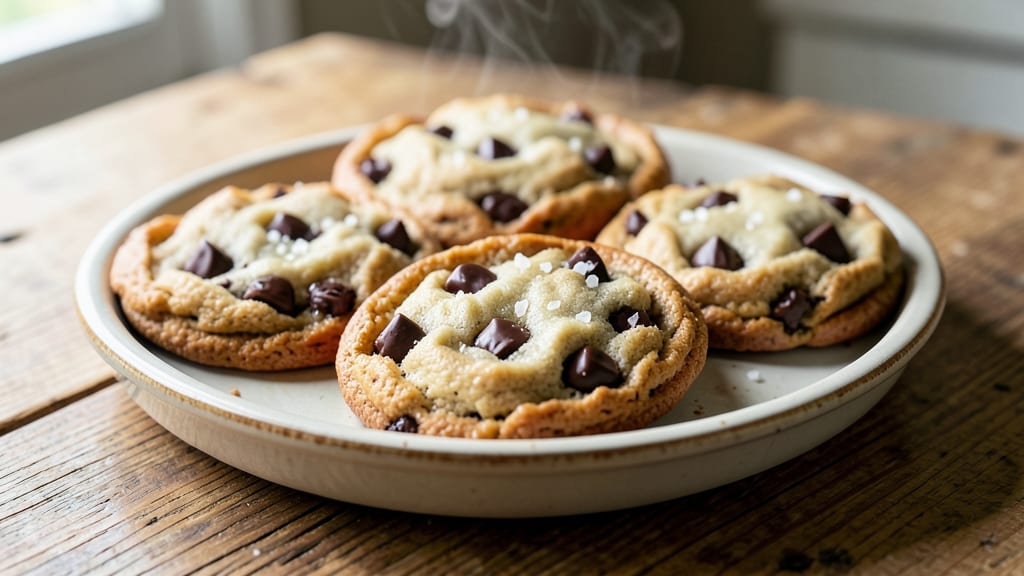
Alton Brown's chewy chocolate chip cookie recipe delivers the perfect balance of texture and flavor every time—no more dry, cakey cookies or burnt edges. The secret lies in precise ingredient ratios and baking techniques that transform ordinary cookies into a science-backed masterpiece.
I’ve tested this recipe dozens of times, and it never fails to impress, whether you’re baking for a crowd or treating yourself to a single batch.
This recipe focuses on achieving that coveted chewy center with crispy edges, all while maintaining a rich, buttery flavor. Alton’s method includes using high-quality ingredients like brown butter (if you’re feeling adventurous) and a specific chocolate-to-chip ratio that ensures melty pockets in every bite.
The dough is mixed just until combined—overmixing leads to tough cookies—and rested for optimal texture.
Bake at 350°F for 10–12 minutes, and resist the urge to overbake. The cookies will look slightly underdone, but they’ll set as they cool, resulting in a tender yet sturdy center.
Cooling on the baking sheet for 5 minutes before transferring ensures they hold their shape without spreading too much. The result? A cookie that’s chewy, rich, and packed with gooey chocolate—exactly as Alton intended.
Whether you’re a seasoned baker or a beginner, this recipe is foolproof and delivers restaurant-quality results at home. The key is patience and precision, but the reward is worth every minute. Let’s get baking!
Ingredients for alton brown chewy chocolate chip cookie
High-quality butter, precise sugars, and chocolate chips—Alton Brown’s science-backed approach starts here.
| Ingredient | Amount | Notes |
|---|---|---|
| Unsalted Butter 🧈 | 1 cup | Cold, cubed for cutting into fat |
| Granulated Sugar 🍚 | ¾ cup | White sugar, packed lightly |
| Brown Sugar 🍚 | ¾ cup | Packed firmly for moisture |
| Large Eggs 🥚 | 2 whole | Room temperature preferred |
| Vanilla Extract 🌿 | 2 tsp | Pure vanilla, not imitation |
| All-Purpose Flour 🌾 | 2 ½ cups | Sifted, spooned and leveled |
| Baking Soda 🧂 | ½ tsp | Pure, not baking powder |
| Salt 🧂 | ½ tsp | Fine sea salt preferred |
| Chocolate Chips 🍫 | 2 cups | Semi-sweet, 60% cacao |
| Flaky Sea Salt 🧂 | 1 tbsp | For sprinkling on top |
| Brown Butter 🧈 | ½ cup | Optional, for nutty depth |
The butter is non-negotiable—use European-style unsalted butter like Plugrá or Land O’Lakes for that rich, creamy texture. Brown butter takes it to the next level with nutty depth, but regular butter works if you’re short on time. For the sugars, pack them firmly—this ensures moisture without making the cookies too sweet. King Arthur or Bob’s Red Mill flour is ideal, but any all-purpose will do. Chocolate chips? Ghirardelli or Guittard semi-sweet are the gold standard—avoid the grocery store generic brands if you can. The flaky sea salt should be coarse, like Maldon, to contrast the sweetness perfectly.
No vanilla extract? Vanilla bean paste works too, but pure extract is best. Short on brown sugar? White sugar plus 1 tsp molasses mimics the flavor. The baking soda and salt are standard, but Diamond Crystal baking sodachopped chocolate bars work in a pinch, but they’ll melt differently. If you’re feeling adventurous, add 0.5 cup chopped walnuts for texture. The dough must be mixed just until combined—overmixing develops gluten and ruins the chewy texture. Let it rest for 30 minutes before baking to relax the gluten further.
The dough keeps for 48 hours in the fridge, wrapped tightly. Portion it into 1.5 oz balls for consistency—use a kitchen scale for precision. Baked cookies stay fresh for 5 days in an airtight container, but they’re best eaten within 2 days. Freeze dough balls for 3 months—bake straight from frozen, adding 1-2 minutes. For extra crispiness, bake on a Silpat mat instead of parchment. The secret to Alton’s texture? Underbaking slightly—they’ll set as they cool, resulting in that perfect chewy center.
Why You'll Love This Recipe
- No-Fuss Mixing: I swear by the "ice cube method" for the butter—just toss those cubes with the sugars and eggs, then let the oven do the work. No food processor, no stress, and those cookies still turn out with that signature chew.
- Butter-and-Sugar Magic: That perfect balance of brown and white sugar? It’s what makes these cookies ridiculously good—the crisp edges, the caramelized centers, and just the right amount of gooey chocolate. Honestly, the flavor alone makes me forget to follow recipes after the first try.
- Party in a Pan: Double the dough, bake two sheets, and you’ve got a crowd-pleaser that’s still fresh enough to pass off as homemade. (Yes, even on a Tuesday night.) These freeze like a dream too, so I always make extras for lazy mornings.
- Budget-Friendly Comfort: Five ingredients, zero weird substitutes, and the taste hits all the right notes without breaking the bank. My kids fight over the leftovers, and I’ve sent jars of them to neighbors—always met with the same reaction: "How’d you make these so good?"
Step-by-step instructions for Alton brown's chewy chocolate chip cookie recipe
Master the science of chewy cookies with these precise, tested steps that deliver Alton Brown's signature texture every time.
Cut Cold Butter into Sugar for Maximum Flavor and Texture
Place the 1 cup unsalted butter in the freezer for 15 minutes until firm but not rock-hard. Cut it into ¼-inch cubes using a sharp chef's knife. In a stand mixer fitted with the paddle attachment, combine the butter cubes with 0.75 cup granulated sugar and 0.75 cup brown sugar. Mix on medium speed for 3-4 minutes until the mixture becomes pale and fluffy.
The cold butter creates tiny pockets of air that develop into those signature crackly tops, while the sugar helps dissolve the gluten in the flour for a tender crumb. You'll know it's ready when the butter is fully incorporated and the mixture nearly doubles in volume. This step is where the magic begins—don't rush it.
Incorporate Eggs and Vanilla for Rich Depth of Flavor
Add the 2 whole large eggs, one at a time, mixing on low speed for 30 seconds after each addition. Scrape down the sides of the bowl to ensure even distribution. Add the 2 teaspoons vanilla extract and mix for an additional 10 seconds until fully combined. The mixture should be smooth and slightly thickened.
Room-temperature eggs emulsify better with the butter, creating a more cohesive dough. The vanilla extract enhances the chocolate flavor while adding complexity. Here's the thing—if your eggs are cold, the dough may become too stiff, so let them sit at room temperature for 15-20 minutes before using if they're straight from the fridge.
Combine Dry Ingredients and Fold in Chocolate for Even Distribution
In a separate bowl, whisk together the 2.5 cups all-purpose flour, 0.5 teaspoon baking soda, and 0.5 teaspoon salt. Gradually add the dry ingredients to the wet mixture, mixing on low speed for 30-45 seconds until just combined. Remove the bowl from the mixer and fold in the 2 cups chocolate chips and 0.5 cup brown butter (if using) by hand with a silicone spatula.
Folding by hand ensures the chocolate chips stay evenly distributed rather than getting pulverized by the mixer. The brown butter adds a nutty depth that elevates the flavor profile, but it's optional if you prefer a classic taste. If the dough feels too dry, add 1 tablespoon of ice water to help bind it together.
Chill the Dough for Optimal Spread and Flavor Development
Divide the dough into 4 equal portions and flatten each into a 1-inch thick disk. Wrap each disk tightly in plastic wrap and refrigerate for at least 24 hours (or up to 48 hours). Chilling is non-negotiable—it allows the flour to hydrate fully, prevents excessive spreading, and enhances the flavor through the Maillard reaction.
Cold dough also means the cookies hold their shape better in the oven, resulting in thicker cookies with crispy edges and a gooey, fudgy center. If you're short on time, chill for at least 1 hour in the freezer, but 24 hours yields the best results. This step is where patience pays off—trust the process.
Bake to Golden Perfection for Maximum Chewiness
Preheat your oven to 350°F and line two baking sheets with parchment paper. Remove the dough from the fridge and let it sit at room temperature for 10 minutes to soften slightly. Scoop the dough into 2-tablespoon portions (use a cookie scoop for uniformity) and place them 3 inches apart on the prepared sheets. Sprinkle each cookie with a pinch of flaky sea salt for a burst of flavor.
Bake for 11-13 minutes until the edges are golden brown but the centers still look slightly underdone. They'll continue cooking on the hot pan after you remove them from the oven. Rotate the baking sheets halfway through for even baking. Let the cookies cool on the baking sheet for 5 minutes before transferring to a wire rack to prevent over-spreading.
Pro Tips For Making Alton Brown Chewy Chocolate Chip Cookie
- Cream Butter Slowly: I learned this the hard way—dumping cold butter into sugar and hoping for the best just makes a greasy mess. Instead, cut the butter into small cubes and mix it into the sugar after the wet ingredients are already combined. This keeps the dough from turning into a sad, lumpy brick.
- Use Room-Temp Eggs: Cold eggs from the fridge can shock the dough and cause it to spread unevenly. Let them sit in warm water for 5 minutes before cracking them in—this ensures they blend smoothly and the cookies hold their shape better. (Yes, even if you’re impatient like me.)
- Skip Overmixing: The moment the dough starts looking like playdough, stop. Overworking it develops gluten, and those cookies turn out tough instead of chewy. Fold in the chocolate chips by hand—just until they’re distributed—and resist the urge to knead. Less effort, better texture.
- Bake in Two Batches: Crowding the pan? Big mistake. Spread the dough into 1.5-inch balls and bake only one tray at a time. The oven’s hot spots will torch the edges if you stack them, and you’ll end up with a mix of burnt and underdone cookies. (Your future self will thank you.)
Perfect pairings for this recipe
Classic Milk Pairings
A tall, cold glass of whole milk is the ultimate companion to these cookies—its creamy richness balances the buttery, caramelized edges while softening the chocolate’s intensity. I always keep a quart of Organic Valley whole milk chilled in the fridge for this purpose.
The fat content enhances the cookies’ texture, making each bite feel even more indulgent. For a lighter option, 2% milk works too, though it lacks that luxurious mouthfeel. 🥛
Coffee Contrast
Hot coffee cuts through the richness of these cookies beautifully, especially if you prefer a medium-roast dark blend like Peet’s Major Dickason’s. The bitterness of the coffee highlights the caramelized sugar notes in the cookies, while the warmth helps melt any lingering chocolate chips.
For an iced version, try a cold brew concentrate with a splash of vanilla syrup—it’s a perfect summer pairing. I often make a double batch of cookies just to enjoy with my morning coffee. ☕
Ice Cream Elevation
Warm cookies + cold ice cream is a match made in heaven. I recommend vanilla bean ice cream (like Ben & Jerry’s Phish Food) to complement the cookies’ chocolate and caramel flavors without overpowering them.
For a more decadent twist, try salted caramel ice cream—the salt enhances the cookies’ flaky sea salt finish. Serve the cookies slightly warm (just out of the oven) for the best texture contrast. 🍦
Warm Spiced Beverages
When the weather cools, pair these cookies with chai tea or spiced apple cider. A hot chai latte from Starbucks (order it with extra foam) creates a cozy, aromatic contrast to the cookies’ buttery richness.
For a non-caffeinated option, mulled wine or gingerbread-spiced cider adds warmth and depth. The spices in these drinks complement the vanilla and chocolate, making every bite feel like a hug. 🍂
Creamy Cheese Plating
For a dessert-plating moment, serve warm cookies alongside room-temperature whipped cream and a drizzle of salted caramel sauce. I like to use Kirkland Signature whipped cream (it’s lighter than store-bought) and Trader Joe’s salted caramel sauce for that perfect balance of sweet and salty.
Add a sprinkle of crushed pistachios for crunch and color—it ties into the green of the vanilla and the brown of the chocolate. 🍽️
Unexpected Twists
Think outside the box with stout beer or espresso martinis for an adult pairing. A dark stout like Guinness enhances the chocolate and caramel notes, while the beer’s bitterness cleanses the palate.
For cocktails, muddle 1 chocolate chip cookie with 2 oz vodka, 1 oz coffee liqueur, and ½ oz vanilla syrup, then shake with ice. Strain into a chilled glass and garnish with a cookie crumble—trust me, it’s a game-changer. 🍸
Nutrition facts
Frequently asked questions
Why does Alton Brown's recipe use both brown and white sugar?
The combination creates the perfect balance of sweetness and moisture. Brown sugar adds moisture and caramel flavor through its molasses content, while white sugar provides structure and crisp edges. This ratio ensures a chewy center with crispy, crackly tops. The sugars also help dissolve gluten in the flour, preventing tough cookies.
Can I substitute regular butter for brown butter?
Yes! While brown butter adds a nutty depth that enhances flavor, regular butter works perfectly fine. If substituting, use the same amount (1 cup) and avoid overbrowning. The texture difference is minimal—just the flavor profile changes. For best results, chill the dough longer (up to 48 hours) to compensate for any moisture differences.
What's the secret to preventing flat cookies?
Chilling the dough is non-negotiable—it prevents excessive spreading. Use a kitchen scale to portion 1.5 oz dough balls for consistency, and place them 3 inches apart on the baking sheet. Bake at 350°F for 11-13 minutes until edges are golden but centers look slightly underdone. They'll firm up as they cool.
How do I store these cookies to keep them fresh?
Store in an airtight container at room temperature for up to 5 days. For longer storage, freeze dough balls (up to 3 months) or baked cookies (up to 2 months) wrapped tightly. Reheat baked cookies in a 300°F oven for 3-5 minutes to restore chewiness.
What if my cookies spread too much?
Overmixing the dough or skipping the 24-hour chill causes excessive spreading. For next time, mix dry ingredients just until combined and chill dough at least 12 hours. If you've already baked them, try reheating in the oven to firm up slightly.